


How to Choose Sunscreen For Sensitive Skin
-
Dorcas Akintoye

- December 3, 2025
If you have sensitive skin, you probably already know how easily it reacts; use the wrong product, and you’ll be dealing with itching or irritation for days. Sunscreen is one product your skin absolutely needs every day, but finding the right one for sensitive skin can be tricky. The wrong sunscreen can cause breakouts, stinging, or even worsen your sensitivity. In this article, we will show you how to choose the best sunscreen for your sensitive skin.
 OPT FOR MINERAL (PHYSICAL) SUNSCREEN INSTEAD OF CHEMICAL ONES
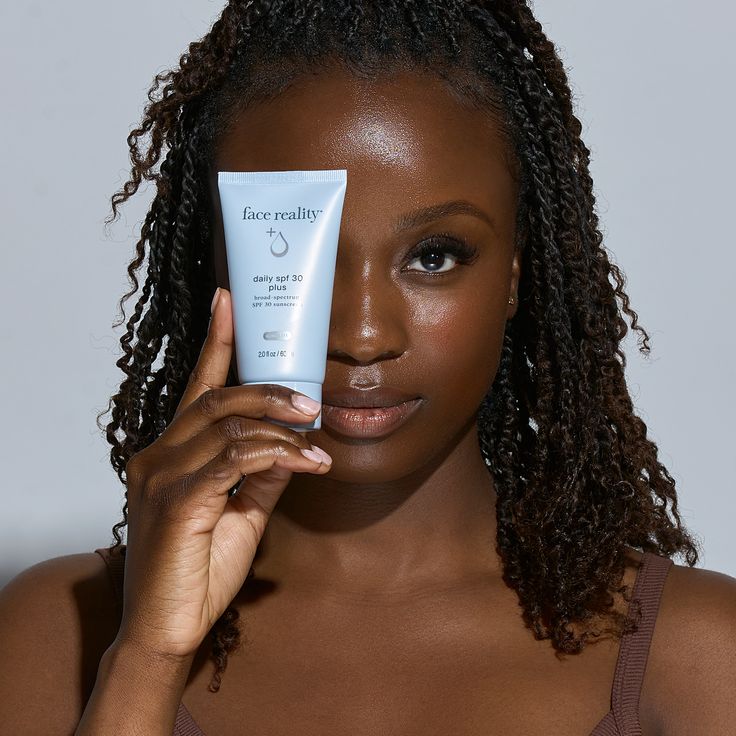
The first and most important step is choosing the right type of sunscreen. There are two main kinds: chemical and mineral (or physical) sunscreens. Chemical sunscreens absorb UV rays, whereas mineral sunscreens sit on top of your skin and reflect them away. For sensitive skin, mineral sunscreens are the better choice because they contain gentler ingredients like zinc oxide and titanium dioxide. These ingredients are less likely to cause irritation or allergic reactions. Chemical sunscreens, on the other hand, often contain ingredients like oxybenzone or avobenzone, which can sting or burn sensitive skin, especially if you have conditions like eczema or rosacea.
CHOOSE A FRAGRANCE-FREE OR ALCOHOL-FREE FORMULA
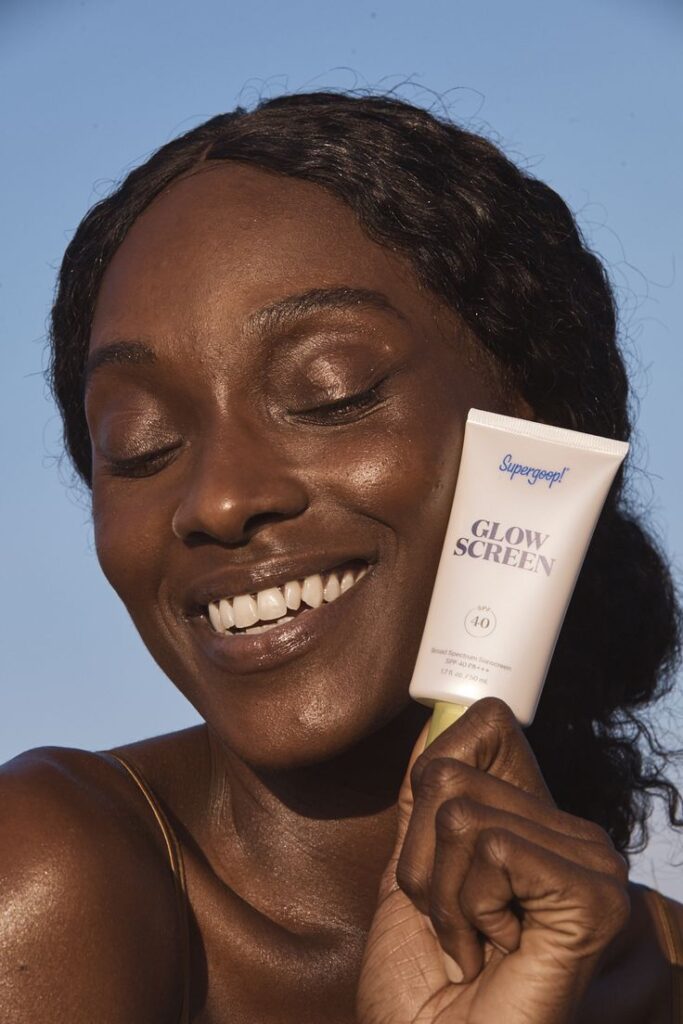
Fragrance might smell nice, but it’s one of the biggest triggers for sensitive skin. Even “natural” or essential oil scents can irritate. The same applies to alcohol; it can dry out the skin and break down your protective barrier, leading to redness and peeling. When selecting sunscreen, check the label for fragrance-free, alcohol-free, or formulations suitable for sensitive skin.

LOOK FOR MOISTURISING INGREDIENTS
Sensitive skin often has a weaker barrier, making it more prone to dryness or inflammation. That’s why choosing a sunscreen that hydrates while offering protection is ideal. Look out for moisturising ingredients like Hyaluronic acid, Ceramides, Aloe vera, and Glycerin. A sunscreen that also acts as a moisturiser helps keep your skin calm and balanced.
PICK A BROAD-SPECTRUM SPF 30 OR HIGHER
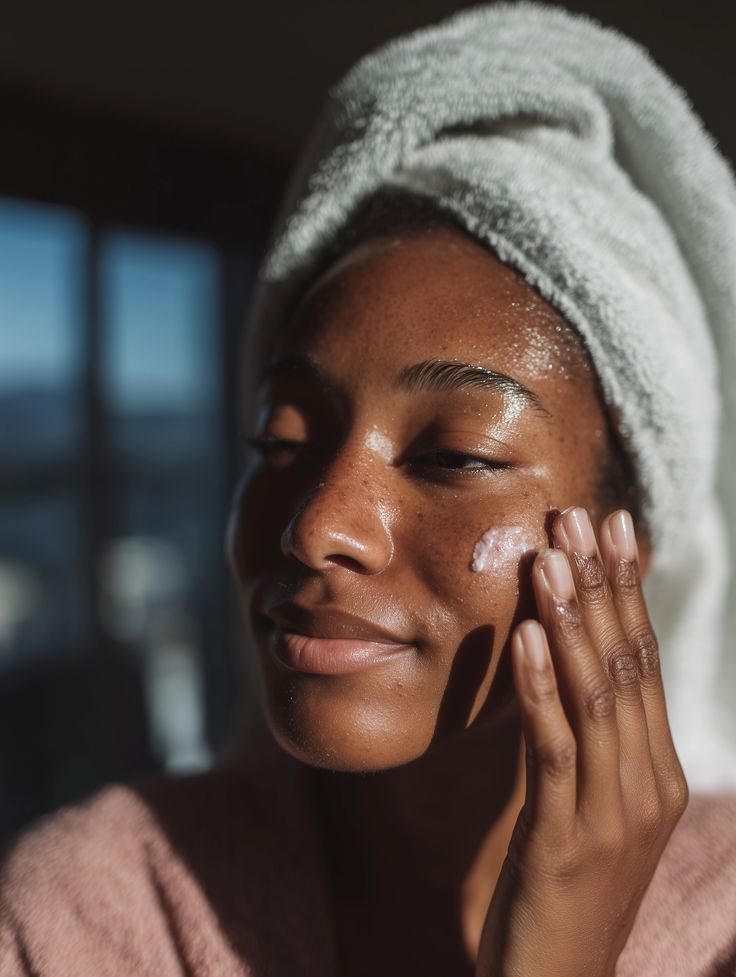
Regardless of your skin type, always use a broad-spectrum sunscreen. This means it protects you from both UVA rays (which cause ageing) and UVB rays (which cause sunburn). For sensitive skin, select an SPF of 30 or higher; it provides effective protection without clogging pores or feeling too heavy. Using a sunscreen with a lower SPF means your skin remains exposed to damaging UV rays, increasing the risk of further sensitivity over time.

ALWAYS PATCH TEST BEFORE FULL USE
Even if a sunscreen claims to be “gentle” or “made for sensitive skin,” it’s still wise to carry out a patch test before applying it all over your face. To do this, apply a small amount of the sunscreen behind your ear or on your inner arm, then wait for 24 hours. If you notice any redness, burning, or itching, it’s not suitable for you. But if your skin remains calm, you can use it confidently.

Choosing sunscreen for sensitive skin doesn’t have to be stressful. The key is to opt for gentle, moisturising, fragrance-free formulations with mineral-based protection. Remember, protecting your skin from the sun is one of the best ways to prevent premature ageing and irritation, but it must be done with the right product.

Dorcas Akintoye is a versatile writer with a passion for beauty, fashion, relationships, and culinary delight. With a keen eye for detail and a passion for storytelling, she adds a touch of elegance to every topic she explores. She is a writer at THEWILL DOWNTOWN.
- Dorcas Akintoye
- Dorcas Akintoye
- Dorcas Akintoye
- Dorcas Akintoye
- Dorcas Akintoye
- Dorcas Akintoye
- Dorcas Akintoye
- Dorcas Akintoye
- Dorcas Akintoye
- Dorcas Akintoye
- Dorcas Akintoye
- Dorcas Akintoye
- Dorcas Akintoye
- Dorcas Akintoye
- Dorcas Akintoye
- Dorcas Akintoye
- Dorcas Akintoye
- Dorcas Akintoye
- Dorcas Akintoye
- Dorcas Akintoye
- Dorcas Akintoye
- Dorcas Akintoye
- Dorcas Akintoye
- Dorcas Akintoye
- Dorcas Akintoye
- Dorcas Akintoye
- Dorcas Akintoye
- Dorcas Akintoye
- Dorcas Akintoye
- Dorcas Akintoye
- Dorcas Akintoye
- Dorcas Akintoye
- Dorcas Akintoye
- Dorcas Akintoye
- Dorcas Akintoye
- Dorcas Akintoye
- Dorcas Akintoye
- Dorcas Akintoye
- Dorcas Akintoye
- Dorcas Akintoye
- Dorcas Akintoye
- Dorcas Akintoye
- Dorcas Akintoye
- Dorcas Akintoye
- Dorcas Akintoye
- Dorcas Akintoye
- Dorcas Akintoye
- Dorcas Akintoye
- Dorcas Akintoye
- Dorcas Akintoye
- Dorcas Akintoye
- Dorcas Akintoye
- Dorcas Akintoye
- Dorcas Akintoye
- Dorcas Akintoye
- Dorcas Akintoye
- Dorcas Akintoye
- Dorcas Akintoye
- Dorcas Akintoye
- Dorcas Akintoye
- Dorcas Akintoye
- Dorcas Akintoye
- Dorcas Akintoye
- Dorcas Akintoye
- Dorcas Akintoye
- Dorcas Akintoye
- Dorcas Akintoye
- Dorcas Akintoye
- Dorcas Akintoye
- Dorcas Akintoye
- Dorcas Akintoye
- Dorcas Akintoye
- Dorcas Akintoye
- Dorcas Akintoye
- Dorcas Akintoye
- Dorcas Akintoye
- Dorcas Akintoye
- Dorcas Akintoye
- Dorcas Akintoye
- Dorcas Akintoye
- Dorcas Akintoye
- Dorcas Akintoye
- Dorcas Akintoye
- Dorcas Akintoye
- Dorcas Akintoye
- Dorcas Akintoye
- Dorcas Akintoye
- Dorcas Akintoye
- Dorcas Akintoye
- Dorcas Akintoye
- Dorcas Akintoye
- Dorcas Akintoye
- Dorcas Akintoye
- Dorcas Akintoye
- Dorcas Akintoye
- Dorcas Akintoye
- Dorcas Akintoye
- Dorcas Akintoye
- Dorcas Akintoye
- Dorcas Akintoye
- Dorcas Akintoye
- Dorcas Akintoye
- Dorcas Akintoye
- Dorcas Akintoye
- Dorcas Akintoye
- Dorcas Akintoye
- Dorcas Akintoye
- Dorcas Akintoye
- Dorcas Akintoye
- Dorcas Akintoye
- Dorcas Akintoye
- Dorcas Akintoye
- Dorcas Akintoye
- Dorcas Akintoye
- Dorcas Akintoye
- Dorcas Akintoye
- Dorcas Akintoye
- Dorcas Akintoye
- Dorcas Akintoye
- Dorcas Akintoye
- Dorcas Akintoye
- Dorcas Akintoye
- Dorcas Akintoye
- Dorcas Akintoye
- Dorcas Akintoye
- Dorcas Akintoye
- Dorcas Akintoye
- Dorcas Akintoye
- Dorcas Akintoye
- Dorcas Akintoye
- Dorcas Akintoye
- Dorcas Akintoye
- Dorcas Akintoye
- Dorcas Akintoye
- Dorcas Akintoye
- Dorcas Akintoye
- Dorcas Akintoye
- Dorcas Akintoye
- Dorcas Akintoye
- Dorcas Akintoye
- Dorcas Akintoye
- Dorcas Akintoye
- Dorcas Akintoye
- Dorcas Akintoye
- Dorcas Akintoye
- Dorcas Akintoye
- Dorcas Akintoye
- Dorcas Akintoye
- Dorcas Akintoye
- Dorcas Akintoye
- Dorcas Akintoye
- Dorcas Akintoye
- Dorcas Akintoye
- Dorcas Akintoye
- Dorcas Akintoye
- Dorcas Akintoye
- Dorcas Akintoye
- Dorcas Akintoye
- Dorcas Akintoye
- Dorcas Akintoye
- Dorcas Akintoye
- Dorcas Akintoye
- Dorcas Akintoye
- Dorcas Akintoye
- Dorcas Akintoye
- Dorcas Akintoye
- Dorcas Akintoye
- Dorcas Akintoye
- Dorcas Akintoye
- Dorcas Akintoye
- Dorcas Akintoye
- Dorcas Akintoye
- Dorcas Akintoye
- Dorcas Akintoye
- Dorcas Akintoye
- Dorcas Akintoye
- Dorcas Akintoye
- Dorcas Akintoye
- Dorcas Akintoye
- Dorcas Akintoye
- Dorcas Akintoye
- Dorcas Akintoye
- Dorcas Akintoye
- Dorcas Akintoye
- Dorcas Akintoye
- Dorcas Akintoye
- Dorcas Akintoye
- Dorcas Akintoye
- Dorcas Akintoye
- Dorcas Akintoye
- Dorcas Akintoye
- Dorcas Akintoye
- Dorcas Akintoye
- Dorcas Akintoye
- Dorcas Akintoye
- Dorcas Akintoye
- Dorcas Akintoye
- Dorcas Akintoye
- Dorcas Akintoye
- Dorcas Akintoye
- Dorcas Akintoye
- Dorcas Akintoye
- Dorcas Akintoye
- Dorcas Akintoye
- Dorcas Akintoye
- Dorcas Akintoye
- Dorcas Akintoye
- Dorcas Akintoye
- Dorcas Akintoye
- Dorcas Akintoye
- Dorcas Akintoye
- Dorcas Akintoye
- Dorcas Akintoye
- Dorcas Akintoye
- Dorcas Akintoye
- Dorcas Akintoye
- Dorcas Akintoye
- Dorcas Akintoye
- Dorcas Akintoye
- Dorcas Akintoye
- Dorcas Akintoye
- Dorcas Akintoye
- Dorcas Akintoye
- Dorcas Akintoye
- Dorcas Akintoye
- Dorcas Akintoye
- Dorcas Akintoye
- Dorcas Akintoye
- Dorcas Akintoye
- Dorcas Akintoye
- Dorcas Akintoye
- Dorcas Akintoye
- Dorcas Akintoye
- Dorcas Akintoye
- Dorcas Akintoye
- Dorcas Akintoye
- Dorcas Akintoye
- Dorcas Akintoye
- Dorcas Akintoye
- Dorcas Akintoye
- Dorcas Akintoye
- Dorcas Akintoye
- Dorcas Akintoye
- Dorcas Akintoye
- Dorcas Akintoye
- Dorcas Akintoye
- Dorcas Akintoye
- Dorcas Akintoye
- Dorcas Akintoye
- Dorcas Akintoye
- Dorcas Akintoye
- Dorcas Akintoye
- Dorcas Akintoye
- Dorcas Akintoye
- Dorcas Akintoye
- Dorcas Akintoye
- Dorcas Akintoye
- Dorcas Akintoye
- Dorcas Akintoye
- Dorcas Akintoye
- Dorcas Akintoye
- Dorcas Akintoye
- Dorcas Akintoye
- Dorcas Akintoye
- Dorcas Akintoye
- Dorcas Akintoye
- Dorcas Akintoye
- Dorcas Akintoye
- Dorcas Akintoye
- Dorcas Akintoye
- Dorcas Akintoye
- Dorcas Akintoye
- Dorcas Akintoye
- Dorcas Akintoye
- Dorcas Akintoye
- Dorcas Akintoye
- Dorcas Akintoye
- Dorcas Akintoye
- Dorcas Akintoye
- Dorcas Akintoye
- Dorcas Akintoye
- Dorcas Akintoye
- Dorcas Akintoye
- Dorcas Akintoye
- Dorcas Akintoye
- Dorcas Akintoye
- Dorcas Akintoye
- Dorcas Akintoye
- Dorcas Akintoye
- Dorcas Akintoye
- Dorcas Akintoye
- Dorcas Akintoye
- Dorcas Akintoye
- Dorcas Akintoye
- Dorcas Akintoye
- Dorcas Akintoye
- Dorcas Akintoye
- Dorcas Akintoye
- Dorcas Akintoye
- Dorcas Akintoye
- Dorcas Akintoye
- Dorcas Akintoye
- Dorcas Akintoye
- Dorcas Akintoye
- Dorcas Akintoye
- Dorcas Akintoye
- Dorcas Akintoye
- Dorcas Akintoye
- Dorcas Akintoye
- Dorcas Akintoye
- Dorcas Akintoye
- Dorcas Akintoye
- Dorcas Akintoye
- Dorcas Akintoye
- Dorcas Akintoye
- Dorcas Akintoye
- Dorcas Akintoye
- Dorcas Akintoye
- Dorcas Akintoye
- Dorcas Akintoye
- Dorcas Akintoye
- Dorcas Akintoye
- Dorcas Akintoye
- Dorcas Akintoye
- Dorcas Akintoye
- Dorcas Akintoye
- Dorcas Akintoye
- Dorcas Akintoye
- Dorcas Akintoye
- Dorcas Akintoye
- Dorcas Akintoye
- Dorcas Akintoye
- Dorcas Akintoye
- Dorcas Akintoye
- Dorcas Akintoye
- Dorcas Akintoye
- Dorcas Akintoye
- Dorcas Akintoye
- Dorcas Akintoye
- Dorcas Akintoye
- Dorcas Akintoye
- Dorcas Akintoye
- Dorcas Akintoye
- Dorcas Akintoye
- Dorcas Akintoye
- Dorcas Akintoye
- Dorcas Akintoye
- Dorcas Akintoye
- Dorcas Akintoye
- Dorcas Akintoye
- Dorcas Akintoye
- Dorcas Akintoye
- Dorcas Akintoye
- Dorcas Akintoye
- Dorcas Akintoye
- Dorcas Akintoye
- Dorcas Akintoye
- Dorcas Akintoye
- Dorcas Akintoye
- Dorcas Akintoye
- Dorcas Akintoye
- Dorcas Akintoye
- Dorcas Akintoye
- Dorcas Akintoye
- Dorcas Akintoye
- Dorcas Akintoye
- Dorcas Akintoye
- Dorcas Akintoye
- Dorcas Akintoye
- Dorcas Akintoye
- Dorcas Akintoye
- Dorcas Akintoye
- Dorcas Akintoye
- Dorcas Akintoye
- Dorcas Akintoye
- Dorcas Akintoye
- Dorcas Akintoye
- Dorcas Akintoye
- Dorcas Akintoye
- Dorcas Akintoye
- Dorcas Akintoye
- Dorcas Akintoye
- Dorcas Akintoye
- Dorcas Akintoye
- Dorcas Akintoye
- Dorcas Akintoye
- Dorcas Akintoye
- Dorcas Akintoye
- Dorcas Akintoye
- Dorcas Akintoye
- Dorcas Akintoye
- Dorcas Akintoye
- Dorcas Akintoye
- Dorcas Akintoye
- Dorcas Akintoye
- Dorcas Akintoye
- Dorcas Akintoye
- Dorcas Akintoye
About Author / Dorcas Akintoye
Dorcas Akintoye is a versatile writer with a passion for beauty, fashion, relationships, and culinary delight. With a keen eye for detail and a passion for storytelling, she adds a touch of elegance to every topic she explores. She is a writer at THEWILL DOWNTOWN.