

Barr. Vera Safiya Ndanusa: As Nigeria’s Iconic Trade Fair Returns
-
- December 7, 2025
After a 14-year break, the Nigeria International Trade Fair (NITF) is returning in full force —bigger, bolder, and more strategic than ever. First launched as the country’s flagship platform for commerce and innovation, the NITF has long been a meeting point for industries, investors, and entrepreneurs. This year’s revival comes with a fresh vision under the theme “Trade, Technology and Transformation: Leveraging Digital Trade for Economic and Industrial Growth.” The new edition aligns perfectly with President Bola Ahmed Tinubu’s Renewed Hope Agenda, his bold economic reforms, and his vision to position Nigeria as Africa’s leading hub for industrial and digital growth. The NITF return is not just a comeback, it’s a rebirth of Nigeria’s trade identity on a global stage.
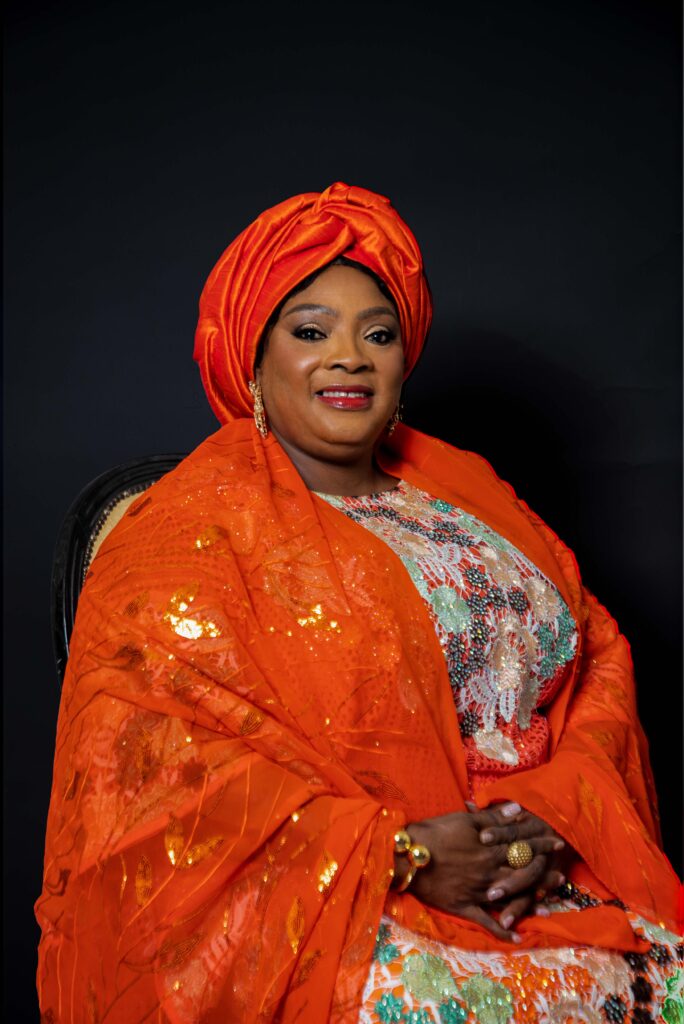
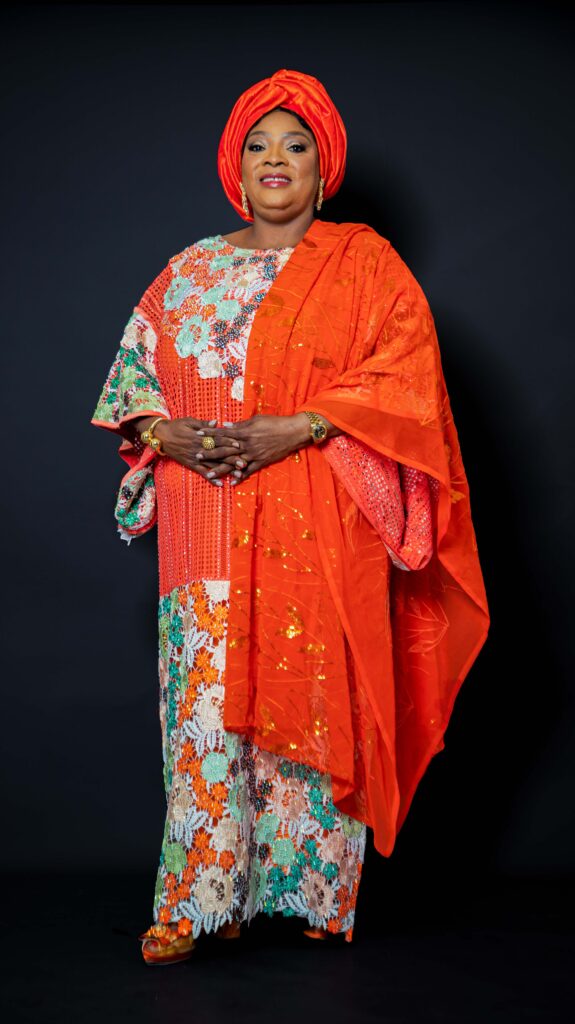
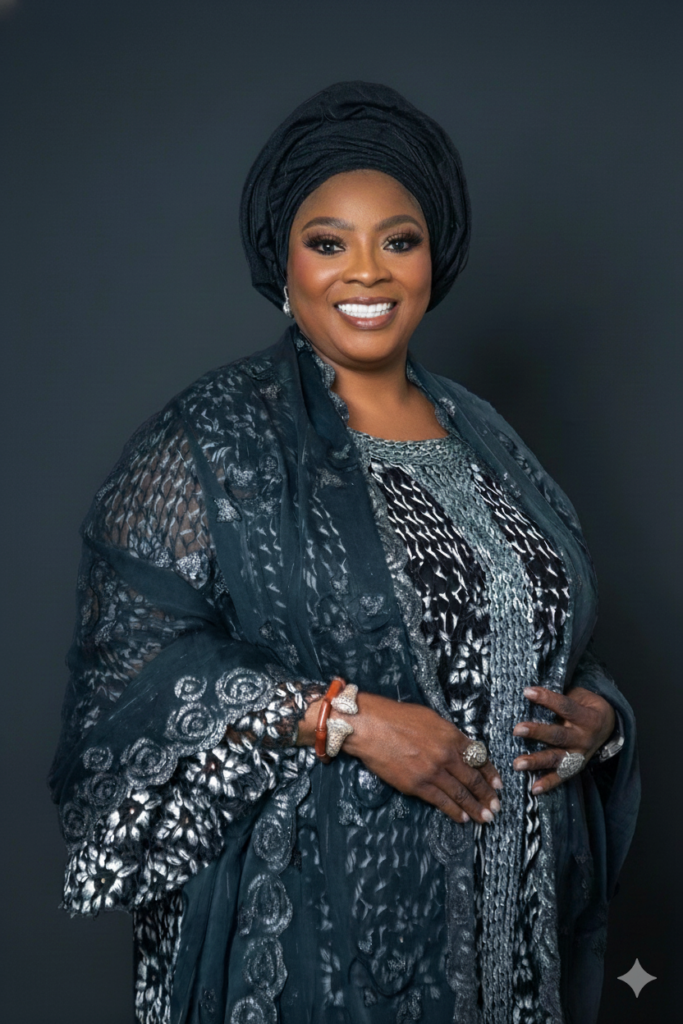
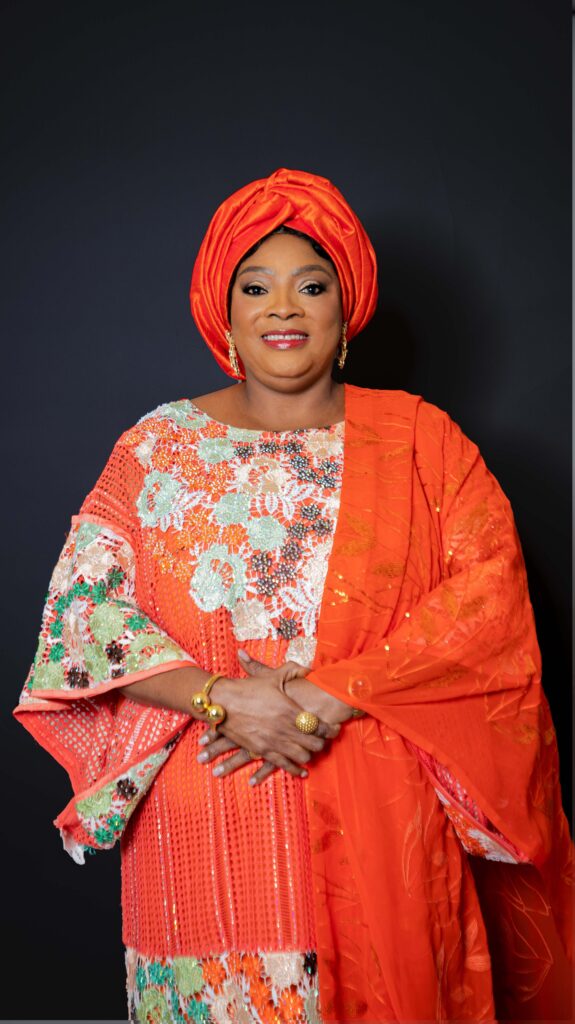
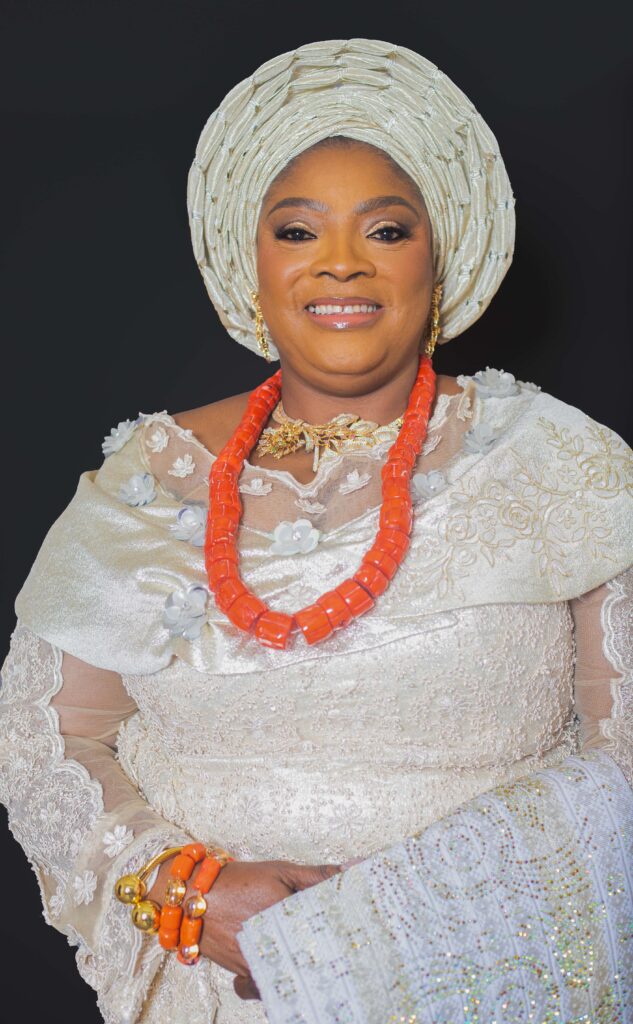
At the heart of this transformation is Chief (Barr.) Vera Safiya Ndanusa, the Executive Director of the Lagos International Trade Fair Complex Management Board. A distinguished lawyer and seasoned entrepreneur, who is leading the commercial relaunch and operational revitalisation of the NITF with precision and passion. Her leadership footprint stretches across national and state levels, with active roles in trade, civic, and development bodies. Through her work, she collaborates with government and industry partners to shape policies that drive enterprise development and inclusion. Known for her hands-on approach, Ndanusa blends legal expertise, executive governance, and practical program delivery to professionalise trade platforms and open new opportunities for Nigerian businesses.
In this interview with THEWILL DOWNTOWN’s Executive Editor, Onah Nwachukwu, Chief (Barr.) Vera Safiya Ndanusa discusses the vision behind the revival of the Nigeria International Trade Fair 2025, the bold economic agenda driving it, and her thoughts on the recent demolitions at the Lagos Trade Fair Complex.
After a 14-year hiatus, the Nigeria International Trade Fair (NITF) is returning in full force this year. What would you say are the biggest transformations we should expect from this year’s edition compared to previous ones?
This year’s NITF is a reinvention built around the theme “Trade, Technology and Transformation: Leveraging Digital Trade for Economic and Industrial Growth.” It deliberately aligns with Mr President’s Renewed Hope Agenda, his vision for Nigeria and his bold economic reforms and steps, telling the world that Nigeria is not only open for business but ready to lead Africa’s next phase of industrial and digital growth. The Trade Fair Complex Management Board is working closely with the Federal Ministry of Industry, Trade and Investment, the Nigerian Association of Chambers of Commerce, Industry, Mines, and Agriculture (NACCIMA), and key private sector players like Bukka Hut to create a more dynamic, inclusive, and commercially viable platform. Visitors will see tangible changes — from sector-focused pavilions that highlight manufacturing, agribusiness, and creative industries, to a new Food Village celebrating Nigerian culinary brands and innovation. There’s also a renewed emphasis on MSME participation, with programming that connects small businesses to financing, export opportunities, and larger supply chains.
The NITF’25 is coming under its original name and with a renewed focus on Made-in-Nigeria enterprises. How is this relaunch positioned to strengthen local production, SME participation, and Nigeria’s competitiveness under the African Continental Free Trade Area (AfCFTA) agenda?
Our goal is to make NITF a gateway for Made-in-Nigeria goods to reach regional and global markets. Under the AfCFTA framework, competitiveness begins with visibility, and NITF provides that platform. We’re curating dedicated MSME zones that give small and medium enterprises the same visibility as larger corporations. We’re also working closely with NACCIMA, the Federal Ministry of Industry, Trade and Investment, and the Forum of MSMEs of Nigeria to connect producers to export opportunities and financing partners.
One major goal of the fair is to attract both domestic and international investment. What concrete strategies or partnerships has the board put in place to make the NITF a magnet for serious investors?
We’re working with the Ministry of Trade & Investment and diplomatic missions to invite trade delegations and international buyers. We’re also using targeted outreach to industry associations and chambers of commerce in Europe, Asia and the Americas, highlighting Nigeria’s gateway position to ECOWAS and the scale of opportunity under AfCFTA. To make participation easier, we’re offering exhibitor facilitation — streamlined logistics, tailored B2B meetings, and curated investor introductions — so international firms see clear value and a low-friction path to market engagement.
From a governance and management standpoint, what have been your biggest challenges in reviving such a large-scale event, and how have you navigated them successfully?
Bringing back an event of this magnitude after more than a decade naturally came with challenges — from restoring the fair’s infrastructure and governance framework, to reestablishing stakeholder confidence and reimagining its format for today’s digital economy. We approached it step by step. The first was institutional rebuilding, ensuring that the Trade Fair Complex was positioned to deliver a modern, credible show. Then came stakeholder engagement, working with ministries, state governments, and trade associations to rebuild partnerships and trust. Finally, modernisation — rethinking the fair’s structure to integrate technology, digital trade platforms, and experiences that reflect how business is done today. It’s been a journey of alignment, patience, and persistence, but seeing the national fair restored to its rightful place makes it all worthwhile.
The recent demolitions at the Lagos International Trade Fair Complex have sparked public reactions and concerns. Can you shed light on what truly led to these demolitions and what steps are being taken to address the concerns of affected traders and businesses?
First of all, the Trade Fair Complex Board did not carry out the demolition. I acknowledge that we oversee the complex and that the affected parties report to the board, but we were not responsible for bringing down the buildings. Officials of the Lagos State Government carried out the demolition exercise without prior notice or communication, despite knowing that the facility is managed by a federal agency. The Nigeria Trade Fair Complex is a federal property under the supervision of the Federal Ministry of Industry, Trade and Investment. Our agency, headed by a Chief Executive Officer appointed by the President, operates under the Lagos International Trade Fair Management Board Act of 2004, which empowers us to develop, maintain, and manage the complex, including estate administration and building approvals. The Constitution clearly defines the jurisdictions of the federal, state, and local governments, and places commerce under the exclusive legislative list. This means the Federal Government has primary responsibility for trade-related matters, including the management of the complex. I have no objection to Lagos State showing interest or seeking to understand what goes on within the complex. However, the concern lies in the manner the recent demolition was conducted. Naturally, some have referenced the 2003 court judgment that allows the Lagos State Government to regulate and approve building plans within the Trade Fair Complex. However, I believe this is an issue that should be discussed at the table. Due process must always be followed. The fact that these traders operate within the complex does not make them lesser citizens. They deserve respect, as does the governance structure that oversees them. Some have said traders build without state approval, but under the Lagos International Trade Fair Management Board Act, our agency is legally empowered to approve developments within the complex. If that framework has changed, then it should be formally discussed — government to government. Both levels of government are meant to work in partnership; we operate within one nation. Where conflicts arise, the Constitution gives precedence to the Federal Government, though that’s not the path I wish to emphasise. My point is simply that collaboration is key. I have met with the stakeholders and those directly affected, and I truly empathise with them. I understand that many have lost their means of livelihood and that a lot has gone wrong. Still, I appeal for patience as we work toward a peaceful resolution. Let me assure you that, despite what has happened, constructive engagement is already underway. We’ve held our first meeting with the Lagos State Government, and all parties have agreed to consult with experts to determine the best way forward. This situation will not affect our upcoming Trade Fair in any way. We are building mutual understanding, and our legal teams are reviewing the matter to strengthen cooperation and restore confidence moving ahead. With the support we have from key national security agencies and Lagos State agencies, we assure everyone that NITF will go on peacefully, securely, and successfully.
Beyond the immediate aftermath, what long-term plans are in place to prevent such disruptions in the future and ensure a more transparent and sustainable management structure at the Complex?
We’re strengthening our governance and communication structures to ensure that incidents like this never disrupt commercial activity again. The board is implementing clearer tenancy and documentation frameworks, structured engagement with trader associations, and more proactive maintenance and security measures across the Complex. Transparency and accountability are central to these efforts — every trader should know their rights, obligations, and the status of their space. In the long term, our focus is on creating a more organised, better-governed environment that fosters confidence and sustainable growth for all stakeholders.
Some have argued that these demolitions might discourage investor or trader confidence. How is your board rebuilding trust and ensuring that the Complex remains a thriving business hub?
While the demolitions were not carried out by the Trade Fair Complex Management Board, we understand the impact they’ve had on the business community. Our immediate priority has been to rebuild trust and stability through open dialogue with traders, clear communication, and visible improvements across the Complex. We’ve begun reinforcing infrastructure, sanitation, and security, while introducing systems that make operations more transparent and predictable. These steps are helping to restore confidence, showing both traders and investors that the Complex remains a safe, structured, and forward-looking commercial hub that continues to anchor Nigeria’s marketplace economy.
You’ve now spent about two years in office as Executive Director of the Lagos International Trade Fair Complex Management Board. Looking back, what are some of your proudest achievements and lessons so far?
Over the past two years, our focus has been on restoring order, transparency, and credibility to the Lagos International Trade Fair Complex. We’ve strengthened governance and tenancy systems, improved infrastructure, and rebuilt relationships with trader associations and private operators, ensuring that the Complex runs more efficiently and sustainably. Building on that progress, we are successfully reviving the Nigeria International Trade Fair, which has been inactive for over a decade. Last year’s edition, the Commercial & Industrial Trade Fair, proved that the vision was achievable. It generated real business deals and renewed confidence among MSMEs. For me, that was a defining moment: seeing both the Complex and the Fair come alive again as engines of national enterprise.
You’ve had a remarkable career spanning law, trade, and entrepreneurship. How has your legal background shaped the way you approach executive leadership and governance at the Trade Fair Complex?
My legal background has helped me approach leadership with structure and fairness. It has taught me that systems must work before results can sustain themselves. So in managing the Trade Fair Complex, I focus on clear contracts, transparent processes, and policies that protect both the institution and its stakeholders. It has also helped me in negotiation and conflict resolution, which are essential when managing a large, multi-stakeholder environment like the Complex. Law gives me the discipline to think long-term and make decisions that build stability, not shortcuts.
As someone who has represented Nigeria at international trade forums, what lessons have you drawn from global markets that you’re now applying to Nigeria’s business and trade ecosystem?
One key lesson is that successful trade ecosystems are built on structure. In every country I’ve studied or engaged with, the most successful trade hubs have strong coordination between government, private sector, and infrastructure. We’re applying that lesson by strengthening NITF’s institutional base and creating platforms for year-round engagement. Another lesson is the role of data and digital access in global trade. That’s why this year’s theme — “Trade, Technology and Transformation” — anchors our strategy, signalling the way we’re helping Nigerian businesses step into the future of cross-border commerce.
You’re also the National President of the Nigerian Association of Women Entrepreneurs (NAWE). How are you using that platform to empower women in business and ensure their inclusion in national trade opportunities, such as the NITF?
Women are at the heart of Nigeria’s business landscape, especially in the MSME space. Through NAWE, we’re supporting women-led enterprises with training, visibility, and access to finance and trade platforms. At NITF, we’re curating spaces that highlight women in trade and innovation, giving them direct access to buyers, investors, and export channels. We’re also working to ensure that policies around the fair include gender considerations because empowering women in trade strengthens the economy as a whole.

A lawyer by training, Onah packs over a decade of experience in both editorial and managerial capacities.
Nwachukwu began her career at THISDAY Style before her appointment as Editor of HELLO! NIGERIA, the sole African franchise of the international magazine, HELLO!
Thereafter, she served as Group Editor-in-Chief at TrueTales Publications, publishers of Complete Fashion, HINTS, HELLO! NIGERIA and Beauty Box.
Onah has interviewed among others, Forbes’ richest black woman in the world, Folorunso Alakija, seven-time grand slam tennis champion, Roger Federer, singer Miley Cyrus, Ex Governor of Akwa Ibom State, Godswill Akpabio while coordinating interviews with Nigerian football legend, Jayjay Okocha, and many more.
In the past, she organised a few publicity projects for the Italian Consulate, Lagos, Nigeria under one time Consul General, Stefano De Leo. Some other brands under her portfolio during her time as a Publicity Consultant include international brands in Nigeria such as Grey Goose, Martini, Escudo Rojo, Chivas, Martell Absolut Elix, and Absolut Vodka.
Onah currently works as the Editor of TheWill DOWNTOWN.