


The Fertility Conversation
-
- February 24, 2026

For too long, fertility has been the unspoken word at dinner tables and social gatherings. In many cultures, especially in Africa, conversations about reproductive health are often shrouded in silence, shame, or myths. Whether it’s about delayed conception, sperm count, menstrual health, or IVF, many men and women find it hard to open up about the realities of their fertility journeys. But times are changing. Today, people are beginning to challenge the stigma, seek professional help, and embrace open dialogue about reproductive wellness, because fertility is not just a woman’s issue, it’s a human one. This is not just about having babies; it’s about understanding our bodies, our choices, and the science that supports them. So, let’s break it down, one honest conversation at a time.

Understanding Fertility Beyond Myths
Many still believe fertility is purely a woman’s responsibility, but science says otherwise. Fertility challenges can be male, female, or both. Opening up this dialogue means debunking myths and encouraging couples to see fertility as a shared journey, one that requires compassion, education, and medical insight.

The Role of Lifestyle in Reproductive Health
What you eat, how you sleep, and how you handle stress can all influence fertility. From eating a balanced diet rich in antioxidants to avoiding excessive alcohol and smoking, small lifestyle changes can make a big difference. Regular exercise and mindful living are not just good for the body; they help create the right internal environment for conception.

Technology Meets Fertility
Modern medicine has made incredible strides; IVF, egg freezing, hormone therapy, and even fertility-tracking apps have transformed reproductive health. These technologies are empowering individuals to make informed decisions about when and how to start a family, giving hope to many who once thought it was impossible.
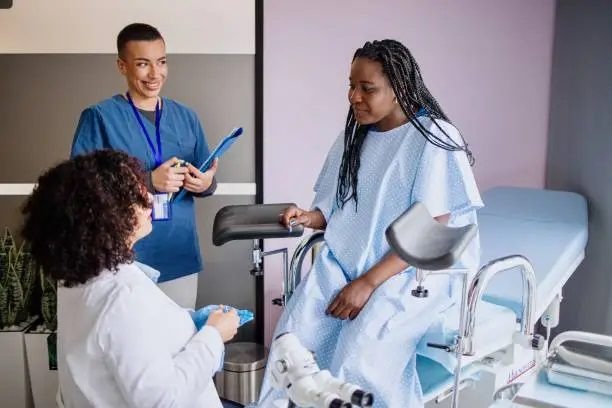
Men, Step Into the Conversation
Fertility talk shouldn’t be a woman-only affair. More men are beginning to take charge of their reproductive health through testing, lifestyle changes, and emotional support. This shift is helping normalise conversations that were once considered taboo, and it’s about time.

Breaking the Stigma, Building the Support
Support systems are everything. Whether it’s through fertility support groups, counselling, or just open conversations with loved ones, breaking the silence helps remove shame and isolation. The more we talk, the more we normalise, and the more people realise they’re not alone.
Fertility should never be a subject whispered about behind closed doors. The modern wellness movement is teaching us that our reproductive health deserves the same attention as our mental or physical health. By shedding stigma, embracing technology, and fostering honest conversations, we create a future where fertility isn’t a taboo, it’s simply another chapter in our shared human experience.