


From Local Roots to Global Stages: Africans Winning Without Losing Identity
-
- January 18, 2026

Once upon a time, global success for Africans came with an unspoken condition: blend in, soften your accent, dilute your culture, make yourself more “acceptable.” However, today, a new generation is rewriting that narrative, loudly, proudly, and unapologetically. Across music, film, business, sports, philanthropy, and culture, Africans are stepping onto the world’s biggest stages without shedding their roots. Instead of assimilation, they are choosing authenticity, and the world is paying attention. This moment marks a powerful shift. African excellence is no longer defined by proximity to Western approval, but by confidence in oneself. From sold-out arenas to boardrooms, award stages to global platforms, these trailblazers are proving that identity is not a limitation; it is an asset. Their stories are not about escape, but expansion. Not about leaving Africa behind, but about carrying it forward. What unites them is more than talent or ambition. It is an intentional act. A deep understanding of who they are, where they come from, and why their voice matters. Whether through sound, style, leadership, storytelling, or service, they are reshaping global culture while remaining grounded in African values, community, and perspective.
Our cover story this week celebrates Africans who win on their own terms, those who refuse to shrink themselves to fit into global spaces and instead reshape those spaces entirely. They remind us that success does not require erasure and that cultural pride can coexist with global relevance.
From local roots to global stages, these individuals are not just making history; they are redefining what it means to belong everywhere, without losing yourself anywhere.
Aliko Dangote
Aliko Dangote’s journey is a powerful reminder that global success does not require abandoning home. Built on African soil and driven by African ambition, his rise from a small trading business to the founder of the Dangote Group has reshaped the continent’s industrial landscape. Today, his empire spans a refinery, cement, sugar, salt, flour, and energy industries that directly support Africa’s growth and self-reliance.
What makes Dangote essential to this cover story is not only scale, but purpose. His investments are rooted in the belief that Africa must build for itself. The Dangote Refinery, one of the world’s largest, stands as a bold statement of confidence in African capability, infrastructure, and long-term vision.
Despite global recognition and immense influence, Dangote remains grounded in values of discipline, patience, and legacy-building. He represents a model of African leadership that is ambitious yet intentional, global yet deeply local. On the world stage, Aliko Dangote proves that staying rooted can be the strongest strategy of all.
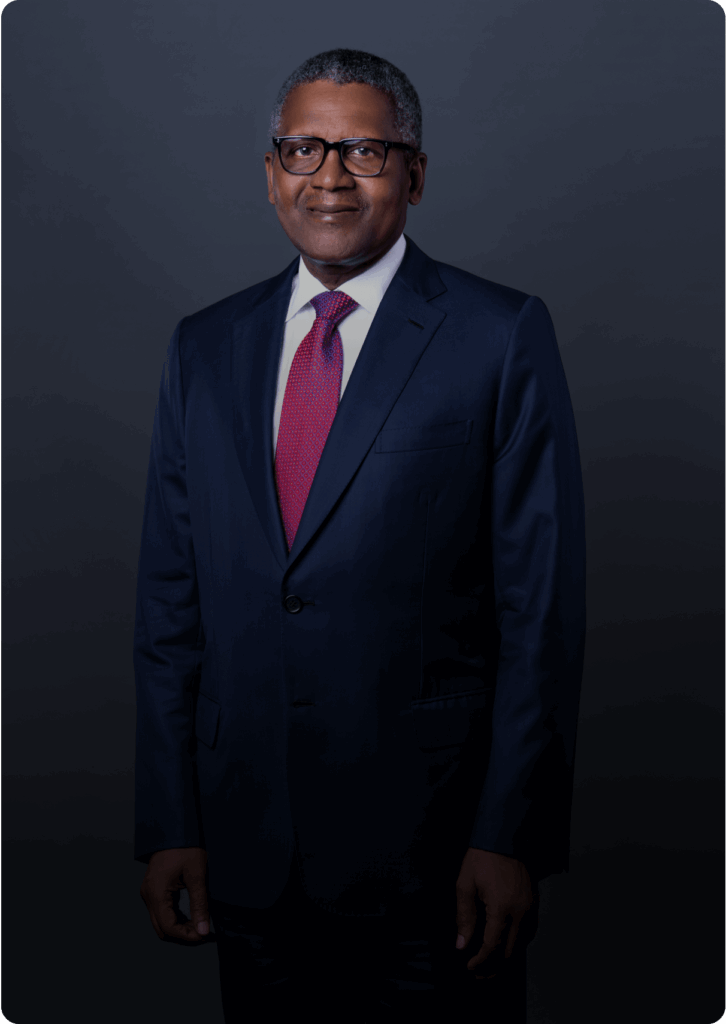
Tony Elumelu
Tony Elumelu represents a modern African vision of success, one that measures impact as carefully as profit. From banking to energy and investments, his influence spans Africa’s economic landscape, yet his philosophy remains deeply rooted in the continent’s future. As Chairman of UBA Group and founder of the Tony Elumelu Foundation, he has consistently championed African-led solutions to African challenges.
Tony Elumelu’s works and progress show that the private sector must play a transformative role in Africa’s development. Through this lens, wealth creation is inseparable from social responsibility. His foundation’s commitment to empowering thousands of African entrepreneurs across 54 countries reflects a long-term investment in people, not just industries.
On the global stage, Tony Elumelu stands as a respected African voice in business, policy, and philanthropy. Yet his work remains anchored in the continent’s growth. He embodies leadership that is globally engaged but locally committed, proof that African success can expand worldwide without losing its purpose or identity.
*Image: Tony*
Angelique Kidjo
Angélique Kidjo’s voice carries more than melody; it carries history, heritage, and Africa’s soul. For decades, the Beninese music icon has stood as one of the continent’s most powerful cultural ambassadors, blending traditional African rhythms with global sounds while remaining unapologetically rooted in her identity. Her music travels effortlessly across continents, languages, and generations, yet its heartbeat remains unmistakably African.
What makes Kidjo central to this cover story is her refusal to separate art from purpose. Beyond her Grammy-winning career, she has used her global platform to advocate for education, women’s rights, and social justice across Africa through initiatives like the Batonga Foundation. Her activism is not performative; it is deeply personal and intentional.
On the world stage, Angélique Kidjo represents Africa with dignity, confidence, and authenticity. She proves that cultural pride can be expansive, influential, and globally celebrated, a reminder that African identity, when embraced fully, has the power to move the world.
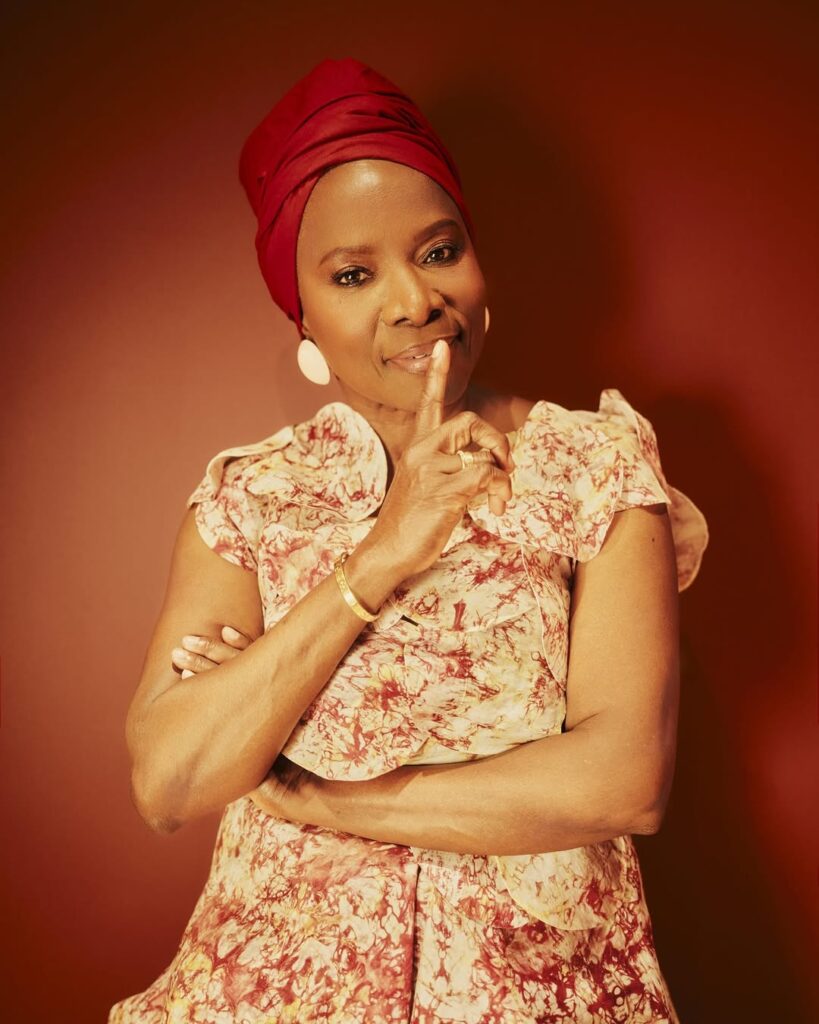
Ngozi Okonjo-Iweala
Ngozi Okonjo-Iweala stands as one of Africa’s most influential voices in global leadership, proving that intellect, integrity, and identity can travel far without dilution. From her early career in international finance to her historic role as Director-General of the World Trade Organisation, she has consistently carried an African perspective into spaces where global policies are shaped.
What makes her vital to this cover story is her ability to lead globally while remaining firmly grounded in African realities. As Nigeria’s former Minister of Finance, she championed transparency, economic reform, and accountability, earning respect far beyond national borders. Her leadership style blends discipline with empathy, policy expertise with lived experience. On the world stage, Okonjo-Iweala represents African excellence with quiet authority. She does not perform identity; she embodies it. Her presence affirms that African leadership belongs at the highest levels of global decision-making, not as an exception, but as a standard.
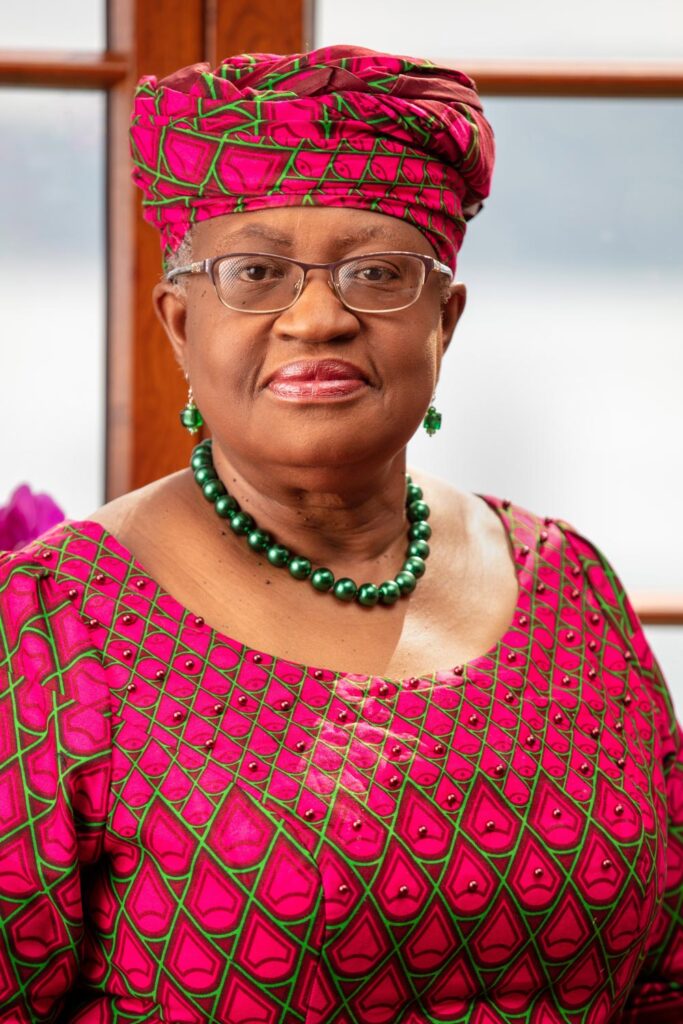
Trevor Noah
Trevor Noah’s ascent from the townships of Soweto to the pinnacle of American late-night television is a masterclass in cultural authenticity. As a two-time Emmy Award winner and the record-breaking host of the Grammy Awards for six consecutive years (2021–2026), Noah has conquered the global stage by leaning into his African perspective rather than mimicking Western styles.
His #1 New York Times bestseller, Born a Crime, used his specific South African upbringing to speak to universal themes of resilience, selling over 3 million copies. Beyond comedy, his Day Zero Productions and the Trevor Noah Foundation reflect a deep commitment to his roots. Noah fits this narrative because he uses his gift for languages and observation to bridge continents, proving that an African voice can provide the most incisive commentary on global affairs while remaining unapologetically rooted in his home.
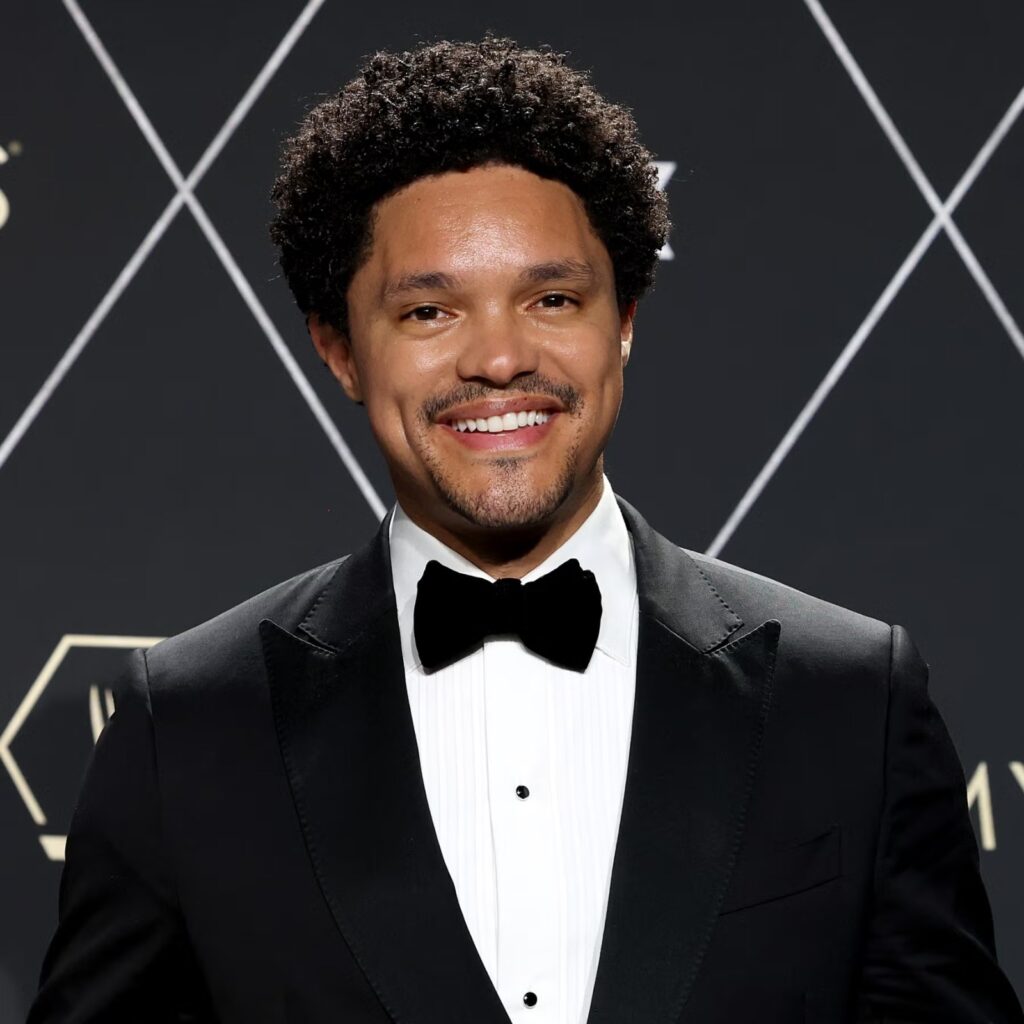
Nneka and Chiney Ogwumike
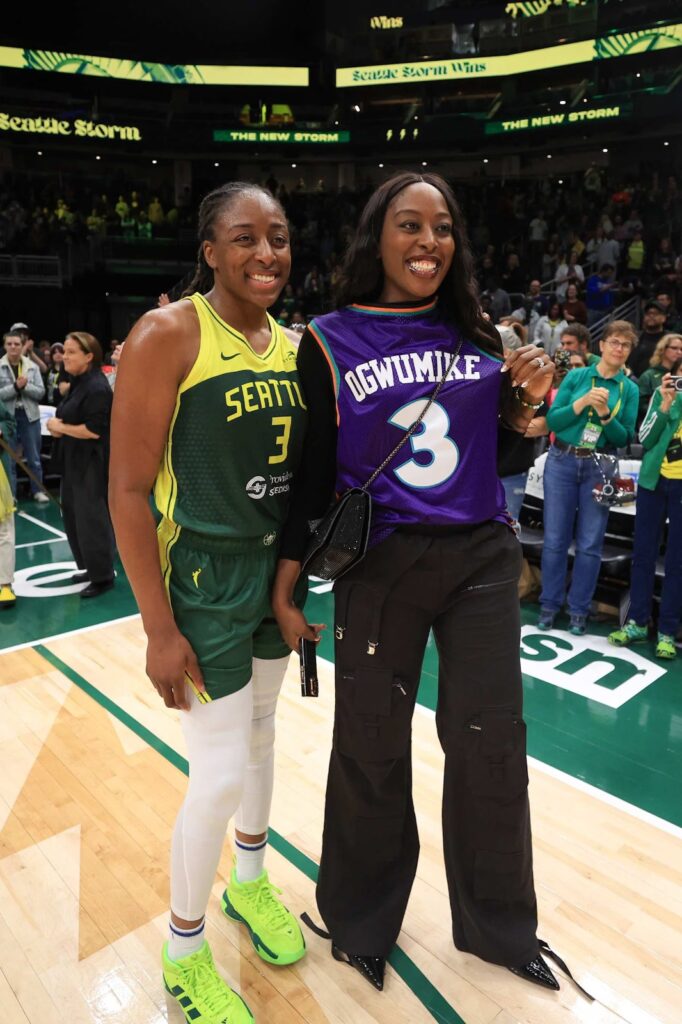
Nneka, the Seattle Storm forward, and Chiney Ogwumike have redefined what it means to be a “multi-hyphenate” African athlete. As the only siblings ever to both be drafted No. 1 overall in a professional sports league, they have conquered the WNBA with multiple All-Star titles, Rookie of the Year awards, and Nneka’s 2016 League MVP and Championship. Yet, their impact transcends the hardwood.
Chiney Ogwumike, who has retired from basketball, has made history as a top ESPN analyst and the first Black woman to host a national daily sports-talk radio show, while Nneka has led the WNBPA as its President through era-defining negotiations. Deeply rooted in their heritage, they serve on the White House Advisory Council on African Diaspora Engagement and are ambassadors for the Basketball Africa League (BAL). By leveraging their global platforms to fund girls’ education and sports infrastructure in Nigeria, the Ogwumikes prove that winning on the world stage is most meaningful when it paves the way for the continent’s next generation.
Giannis Antetokounmpo
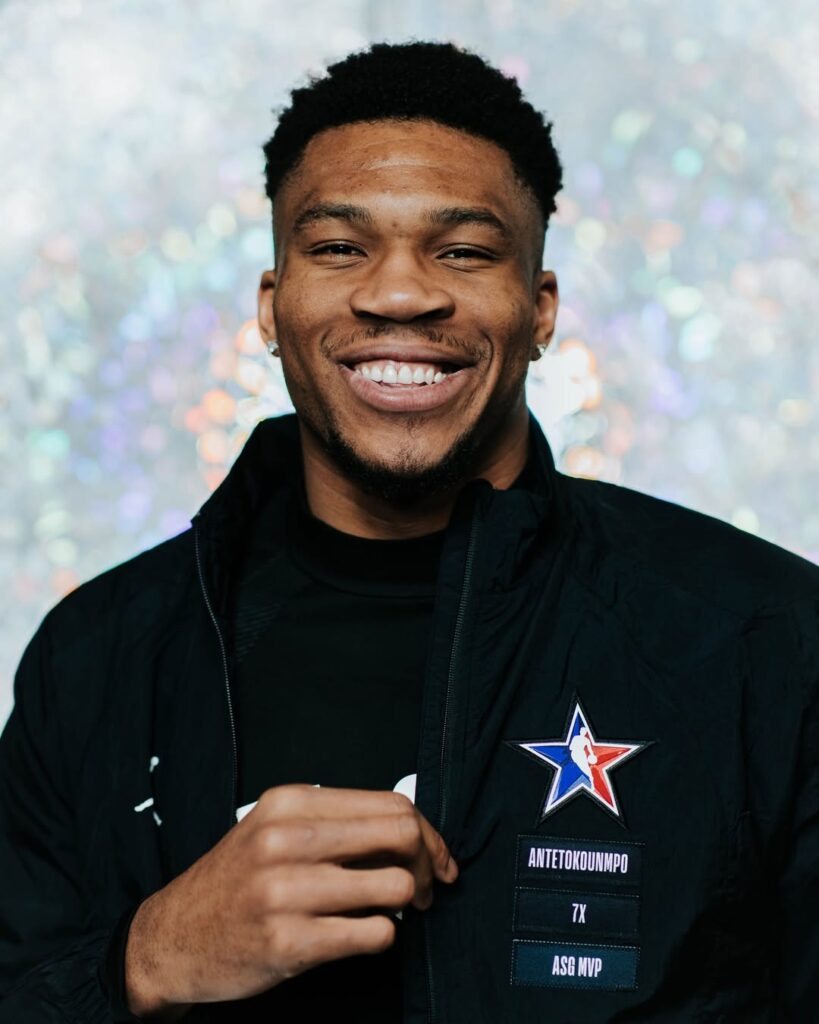
Giannis Antetokounmpo’s life is a “Naija Odyssey” played out on the world’s grandest stage. Though born in Greece and nicknamed the “Greek Freak,” the two-time NBA MVP and 2021 NBA Champion has always been anchored by his Nigerian heritage as his household was strictly Nigerian, built on Yoruba and Igbo values.
Beyond his 50-point masterpiece in the NBA Finals, Giannis has used his global platform to celebrate his dual identity, famously rocking a Super Falcons jersey and launching initiatives to promote Igbo literacy in Lagos. He isn’t just a sportsman; he is a bridge-builder who recently fulfilled a lifelong dream by returning to his ancestral home. Giannis fits this narrative as a global titan who proves that you can represent a European nation while remaining fiercely, proudly, and undeniably an African “Ugo.”
Ese Azenabor
Esé Azénabor’s transition from a Master’s in Accounting to the pinnacle of haute couture is a testament to the “unstoppable African spirit.” Born in Nigeria and based in Dallas, Azénabor launched her brand in 2012, eventually becoming the first Nigerian-born designer to open an atelier on New York’s prestigious Madison Avenue.
Her craftsmanship fuses heavy hand-beading with Nigerian opulence, and has caught the eye of the world’s most elite fashion circles. Notably, her designs have reached Beyoncé’s inner circle, with the iconic Tina Knowles wearing her custom creations, cementing Azénabor as a go-to for global “royalty.” With a celebrity clientele including Taraji P. Henson and Michelle Williams, Azénabor has successfully exported African luxury to the grandest stages. She fits this narrative perfectly as a visionary who transformed her cultural heritage into a global empire, proving that African artistry is the new gold standard in high fashion.

Chimamanda Ngozi Adichie
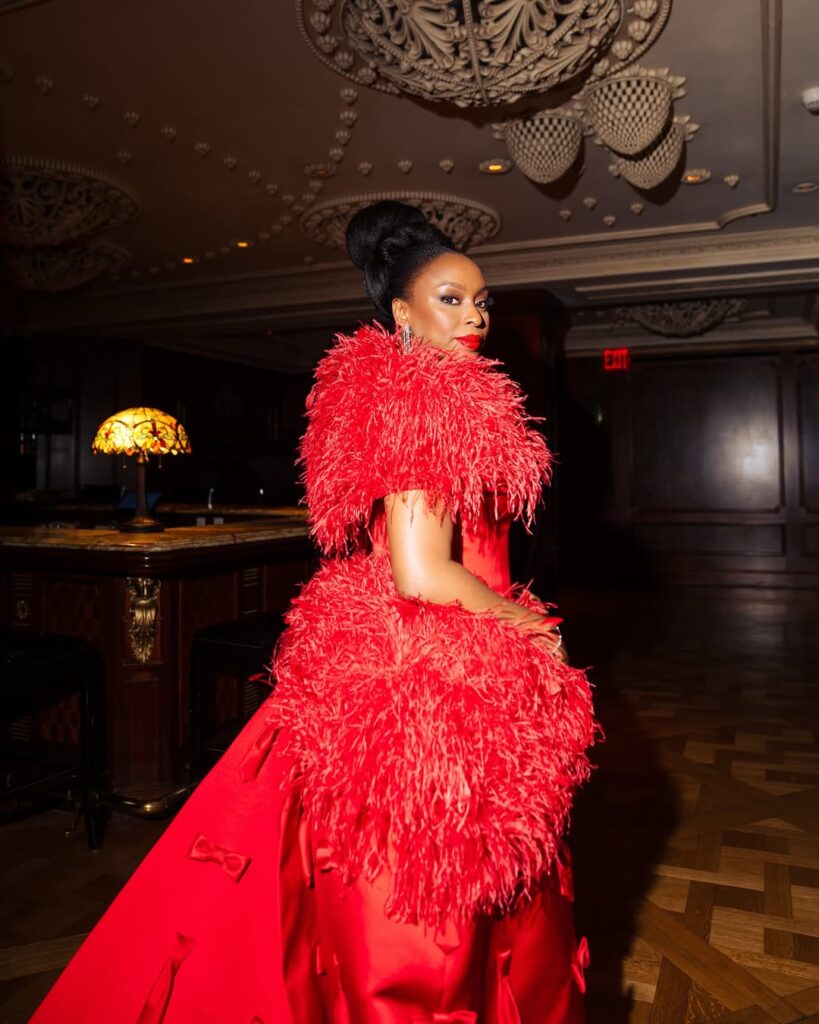
Chimamanda Ngozi Adichie is more than a literary icon; she is a cultural force who has reshaped how the world perceives African stories. From her debut with Purple Hibiscus to the globally acclaimed Americanah, Adichie has used her “local roots” in Nsukka to challenge the “danger of a single story” on the world’s most prestigious stages.
Her influence transcends books. By being sampled in Beyoncé’s anthem Flawless and collaborating with luxury houses like Dior, she has brought African intellectualism into the heart of global pop culture and high fashion. With over 16 honorary doctorates from institutions like Yale and Harvard, and the UN Foundation Global Leadership Award, she remains fiercely rooted, often using her “Wear Nigerian” initiative to promote local designers abroad. Adichie fits this narrative as a woman who conquered the global stage while refusing to dilute her Igbo identity, proving that the African perspective is essential to the global conversation.
 Burna Boy
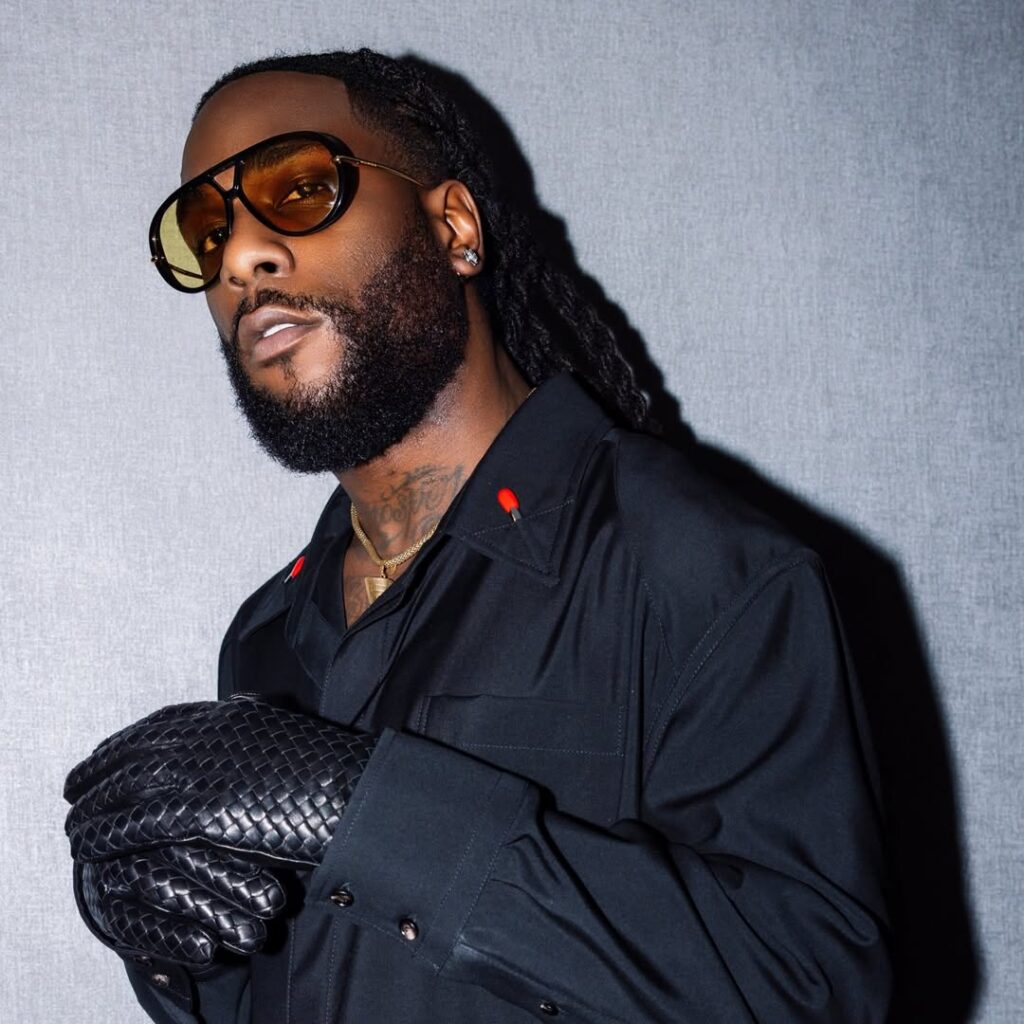
Burna Boy has transitioned from a Nigerian superstar to a global cultural phenomenon, proving that African identity is a superpower. As the first African artist to sell out massive stadiums in the US (Citi Field), the UK (London Stadium), and France (Stade de France), he has turned Afrobeats into a universal language. His I Told Them tour became the highest-grossing tour by an African artist in history, generating over $30.5 million and proving that the world is willing to pay premium prices for authentic African artistry.
With a Grammy Award for Twice as Tall and five consecutive album nominations, including his 2025 project No Sign of Weakness, Burna Boy’s consistency is unmatched. He fits this narrative perfectly because he refuses to “cross over” by diluting his sound; instead, he forces the world to cross over to him, carrying the spirit of Fela Kuti into sold-out arenas worldwide.
 Akon
Akon
Aliaune Akon Thiam is not just a diamond-selling music icon, but a continental nation-builder, in the ultimate “Global Stages” evolution. While he dominated the mid-2000s with hits like Lonely and Smack That, Akon’s true legacy is written in the light he brought back to his roots. Through his Akon Lighting Africa initiative, he has successfully provided solar-powered electricity to over 25 million people in rural communities across 25 countries, proving that African solutions are most effective when led by those who understand the terrain.
Beyond energy, Akon has been a pivotal bridge for African music, famously signing Wizkid and P-Square to his Konvict Muzik label early on, providing the structural “global stage” that helped Afrobeats explode. Despite the ambitious challenges of his “Akon City” project, his commitment remains unwavering. He fits this narrative as a pioneer who used his Western success to advocate for African sovereignty, reminding the world that the continent’s greatest resource is the vision of its own people.
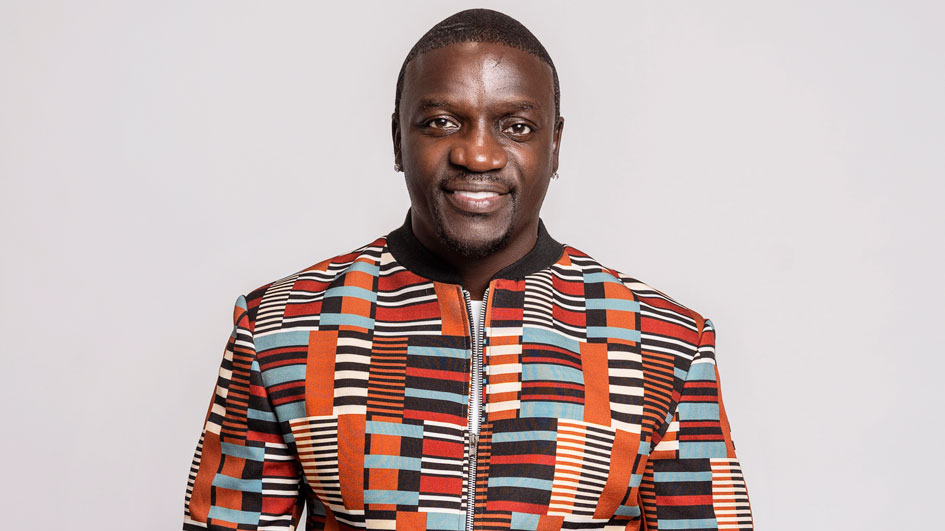
Tems
Temilade Openiyi, known globally as Tems, represents a major shift in the African musical narrative. Leaving behind a secure career in digital marketing to self-produce her own records, she bypassed the traditional “crossover” route by leaning into a soulful, “Alte” sound that was entirely her own. Her strategy worked; today, she is a two-time Grammy winner and the first Nigerian female artist to win a solo Grammy for her hit Love Me JeJe in 2025.
Beyond the charts, Tems has become a staple in the world’s most elite creative circles, co-writing with Rihanna and appearing in global campaigns for Burberry. Through her company, The Leading Vibe, she is now investing in the next generation of African women in music and tech. She fits this story as a pioneer who conquered the global stage by refusing to compromise her essence, proving that authenticity is the ultimate currency.
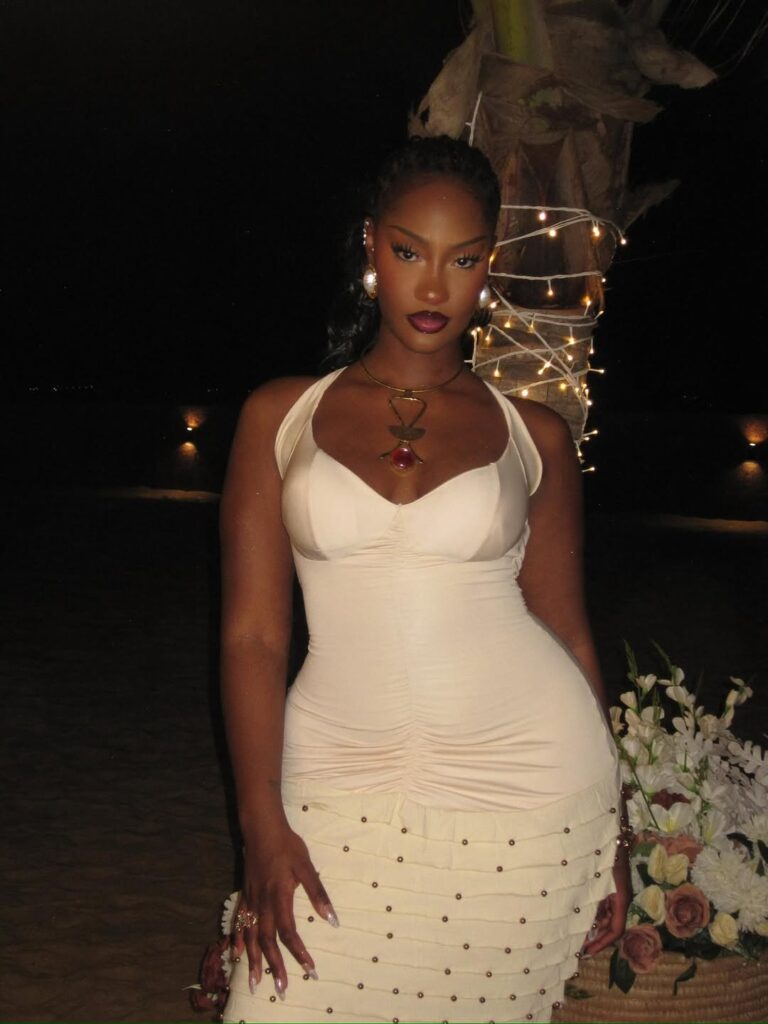
Ademola Lookman
Ademola Lookman’s ascension to the peak of football is a masterclass in turning “pain into power.” Born in London to Nigerian parents, he initially represented England at the youth level before pledging his future to the Super Eagles in 2022. This decision proved to be a defining moment; today, he stands as the 2024 CAF African Player of the Year, the first Nigerian to win the award back-to-back with Victor Osimhen since the 1990s.
His legendary status was cemented in May 2024, when he scored a historic hat-trick in the UEFA Europa League final for Atalanta, the first player ever to do so, ending Bayer Leverkusen’s 51-match unbeaten run. Ranked 14th in the 2024 Ballon d’Or, Lookman has become a global household name. He fits this narrative as a man who honours his roots by wearing traditional agbada to world-class ceremonies and speaking Yoruba on global stages, proving that true success is found when you embrace the heritage that shaped you.
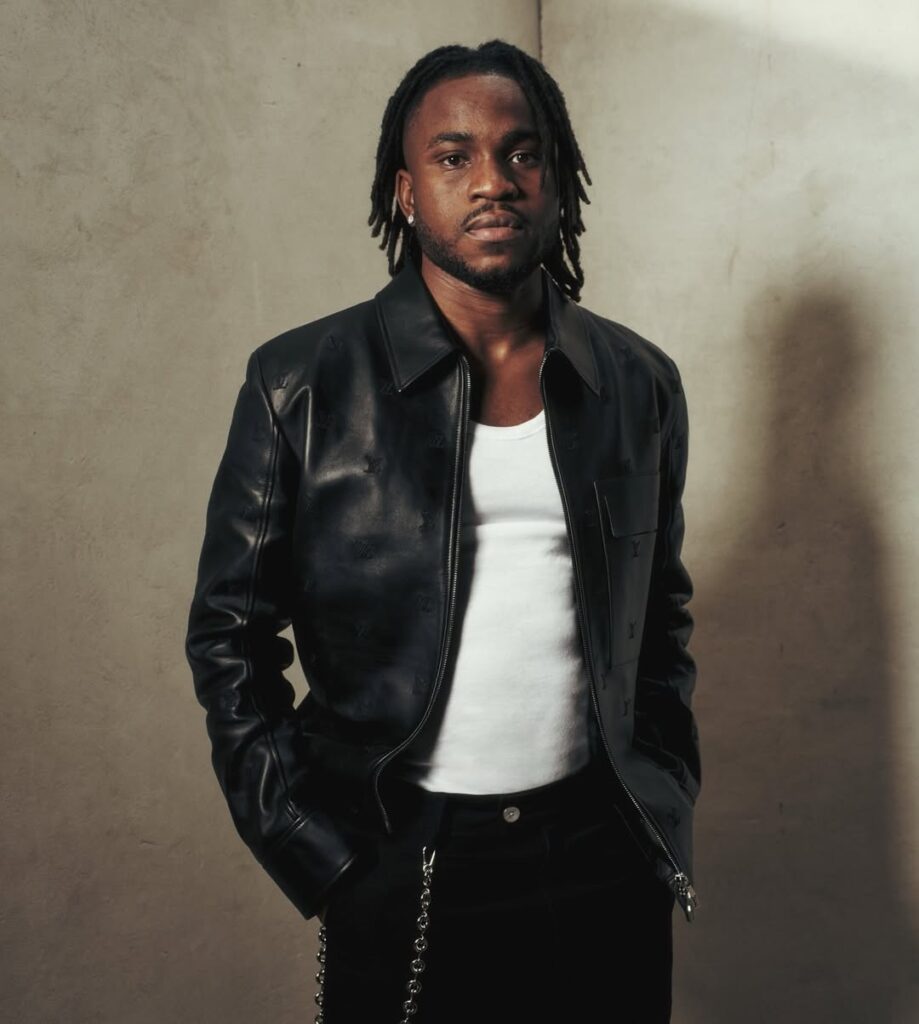
Israel Adesanya
Israel Adesanya’s journey from a young boy in Lagos to becoming one of the most dominant forces in UFC history is a testament to the power of authentic self-expression. A former two-time UFC Middleweight Champion with the second-most title fight wins in the division’s history, Adesanya has transformed the octagon into a stage for his dual identity. Known for his flamboyant walkouts that blend Yoruba traditions with modern anime culture, he has refused to “fit in,” instead forcing the world to embrace his multi-faceted African heritage.
Beyond the cage, his influence is felt through massive global partnerships, including becoming the first MMA athlete to sign a global deal with Puma. Whether he is promoting Nigerian street food to his millions of followers or using his platform to launch anti-violence campaigns, Adesanya remains unapologetically “The Last Stylebender.” He fits this narrative as a global titan who proves that true greatness comes from mastering your craft without ever forgetting the soil that raised you.
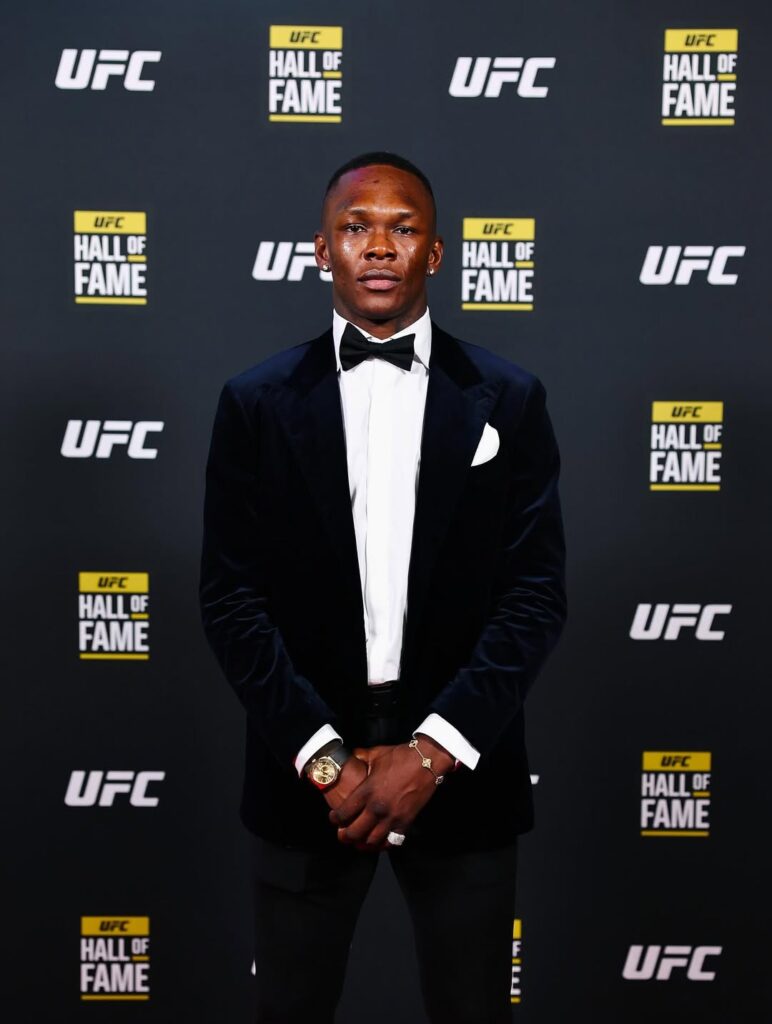
Dave
David Orobosa Omoregie, known as Dave, is the definitive voice of the modern African diaspora. Since becoming the youngest winner of the Mercury Prize and a BRIT Award for his debut album, Psychodrama, Dave has used the global stage to bridge the gap between Streatham and Benin City. In 2025, he made history with his third album, The Boy Who Played the Harp, becoming the first UK rapper to debut three consecutive albums at No. 1.
His music is a deep dive into identity; from the multi-platinum Location featuring Burna Boy to his latest collaboration with Tems on Rain Dance, Dave treats his Nigerian roots not as a gimmick, but as a foundation. By filming cinematic visuals in Lagos and referencing Bini culture in his bars, he has created a new blueprint for winning in the West while staying tethered to home. Dave fits this narrative as a storyteller who proves that being “unapologetically African” is the most powerful way to speak to the world.
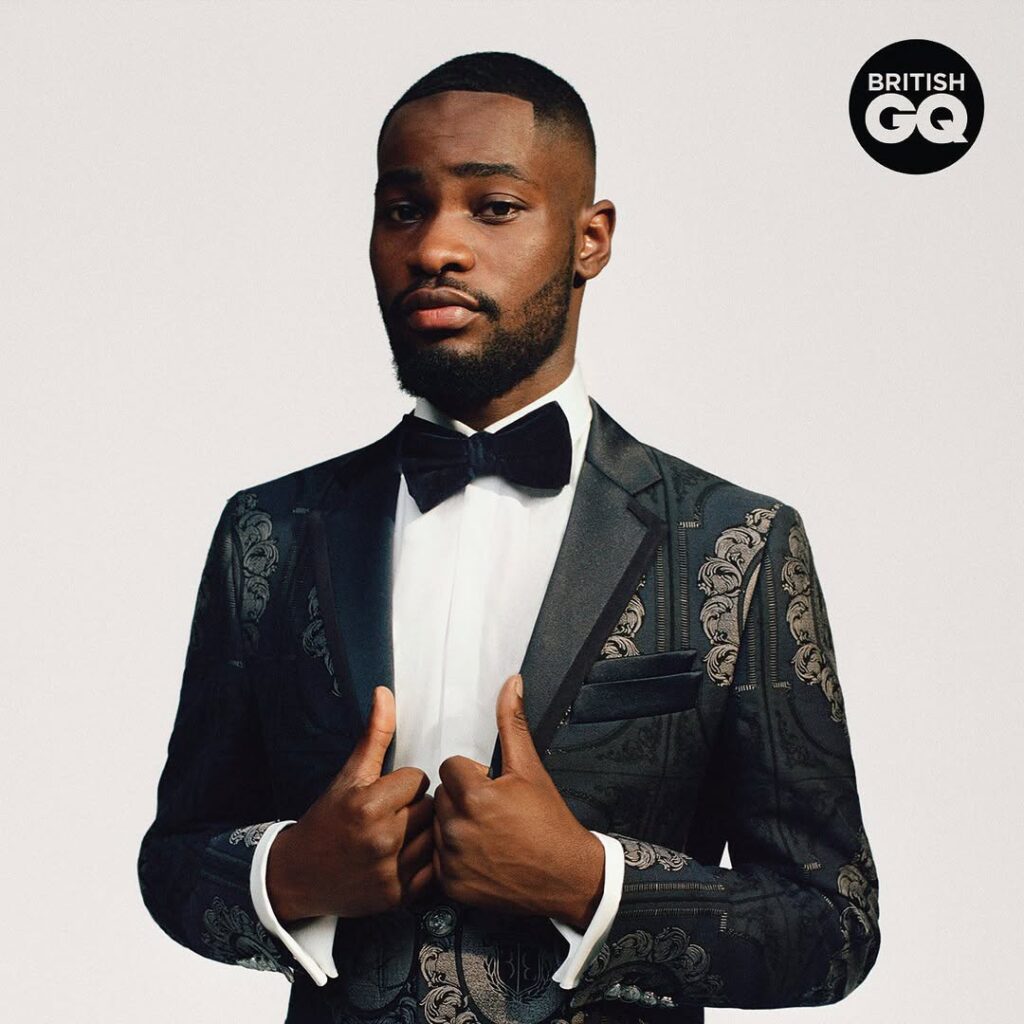
Thebe Magugu
Thebe Magugu is a visionary using fashion as a tool for “African preservation.” In 2019, he became the first African designer to win the prestigious LVMH Prize, catapulting his brand from the streets of Johannesburg to the global stage. Rather than adopting generic Western silhouettes, Magugu builds his collections around South African history, from the Spy Girl aesthetic of the apartheid era to the traditional healing practices of the Basotho people.
His global influence is undeniable; his work has been exhibited at the Metropolitan Museum of Art (The Met) and worn by icons like Rihanna and Naomi Campbell. Through high-profile collaborations with Dior and Adidas, he has proven that African stories are not just “local folklore” but a global luxury commodity. Magugu fits this narrative as a designer who wins by looking inward, showing that the most modern way to move forward is to never lose sight of where you come from.
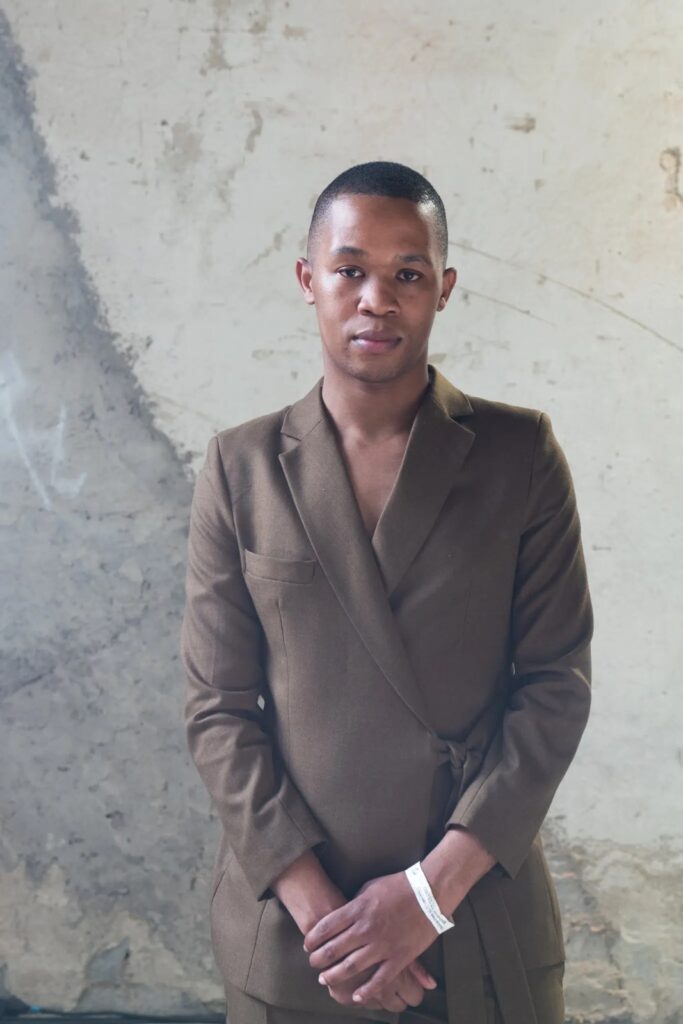
Strive Masiyiwa
Strive Masiyiwa’s journey is an ideal example of resilience and pan-Africanism. After a landmark legal battle to break the state monopoly on telecommunications in Zimbabwe, he founded Econet Wireless, a move that fundamentally democratised mobile access across the continent. Today, as a billionaire and a member of the Bill & Melinda Gates Foundation board, Masiyiwa has leveraged his global seat at the table to champion African interests, most notably leading the African Vaccine Acquisition Task Team during the global pandemic.
His achievements extend into the future of tech through Cassava Technologies, Africa’s first integrated tech giant. Despite his global stature and influence in London and New York circles, Masiyiwa remains deeply tethered to his roots through his extensive philanthropy, providing scholarships to over 250,000 African orphans. He fits this narrative as a titan who proved that an African entrepreneur can build a world-class empire by solving local problems with global standards.
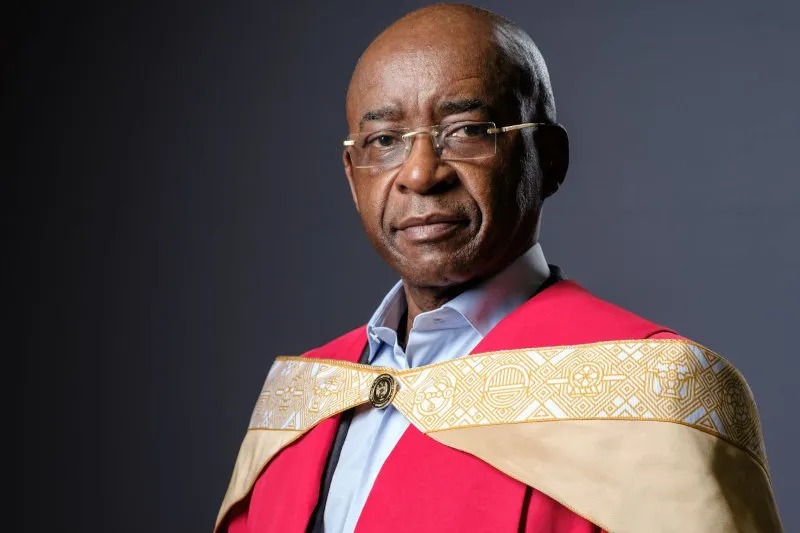
Anthony Joshua
Before he was a global household name, Anthony Joshua was a young man in Sagamu, discovering the discipline that would later define his life. The two-time unified Heavyweight Champion has reached the pinnacle of global sport, headlining sold-out stadiums from London to Riyadh. Yet, for Joshua, the “local roots” are literally etched into his right shoulder as a tattoo of the African continent, with Nigeria clearly outlined. Whether he is walking out to the sounds of Fela Kuti or prostrating before traditional royalty, Joshua has used his global fame to shine a spotlight on his Yoruba ancestry.
Beyond the ring, his business empire and partnerships with global giants reflect a sophisticated African aesthetic. He fits this narrative perfectly because he has never traded his identity for marketability. Instead, he has made being “Nigerian-British” a premier global brand, proving that you can reach the top of the world while remaining fiercely grounded in the heritage that shaped your discipline.

Stormzy
Michael Omari, known worldwide as Stormzy, is a pioneer who redefined what it means to be a “Global Citizen.” Born in London to a Ghanaian mother, Stormzy has turned his record-breaking music career, including three consecutive No. 1 albums and a historic Glastonbury headline set, into a vehicle for structural change. In 2025, he reached a new pinnacle of intellectual recognition, receiving an honorary Doctorate in Law from the University of Cambridge, a nod to his Stormzy Scholarship, which has funded dozens of Black British students at the elite institution.
His connection to his roots is profound and active. Whether headlining the Global Citizen Festival in Accra or launching #Merky FC to create career pathways for Black youth, Stormzy operates with a “Ghanaian heart and a global vision.” He fits this narrative as a man who conquered the Western mainstream without ever compromising his values, proving that the most successful Africans are those who use their seat at the table to build more chairs for others.
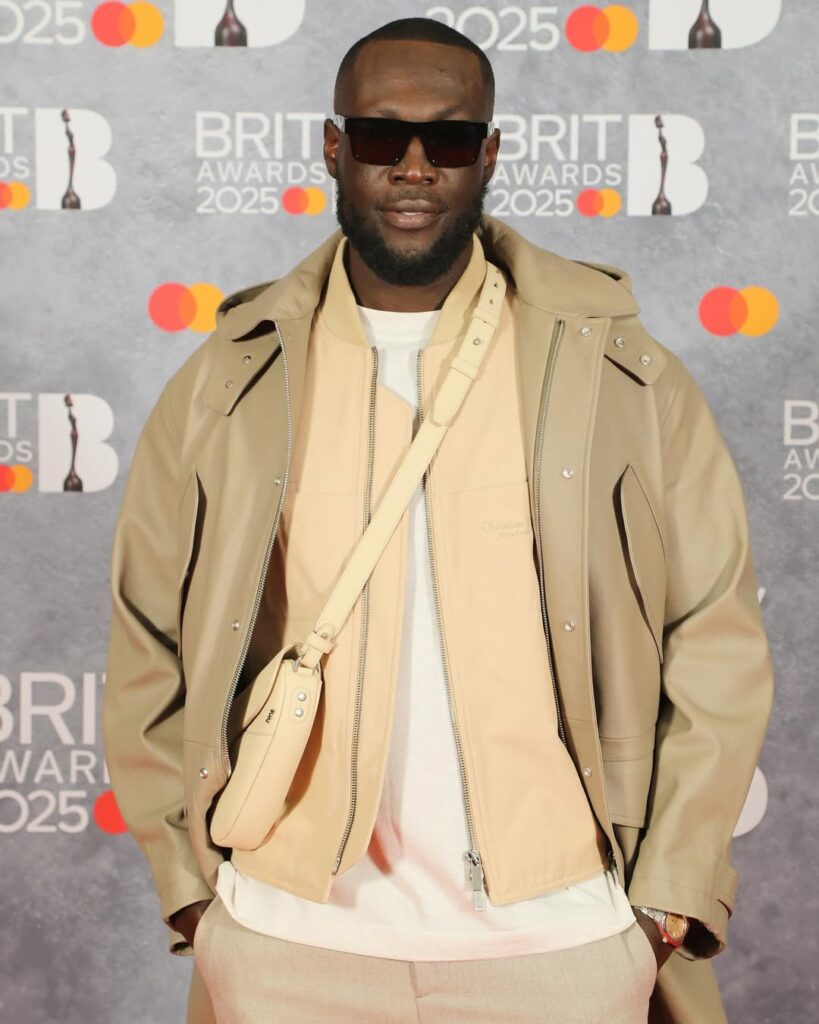
Skepta
Joseph Olaitan Adenuga Jr., better known as Skepta, is a pioneer who has spent over two decades proving that independence is the ultimate luxury. Beyond his Mercury Prize-winning music, Skepta has built a multifaceted empire through his Big Smoke Corporation, which spans music, film, and fashion. In 2024, his brand MAINS made a triumphant return to London Fashion Week, showcasing a “hood luxury” aesthetic that was shot on the streets of Lagos and featured local street-cast talent, tethering his Tottenham roots to his Nigerian heritage.
His connection to home is not just artistic; it is official. In 2018, he was installed as the Amuludun of Odo-Aje (Chief Entertainer), a chieftaincy title in his parents’ hometown in Ogun State. From launching the Big Smoke Festival in 2025 to his debut film Tribal Mark, Skepta operates as a cultural architect. He fits this narrative as a man who exists between worlds, too African for London and too British for Nigeria, yet uses that very friction to create a brand that is globally unrivalled.
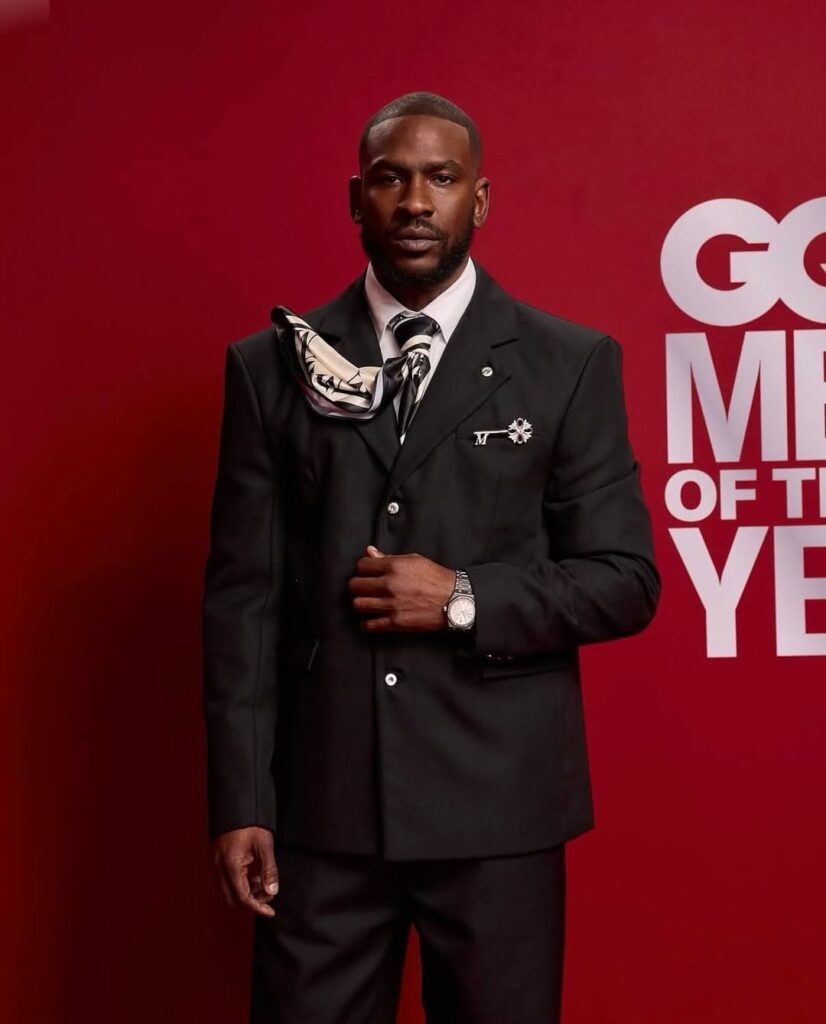
Victor Osimhen
Long before he was the most feared striker in Turkey, Victor Osimhen was hawking sachet water in the chaotic traffic of Lagos to help his family survive. This “school of hard knocks” forged the relentless physicality that defines his game today. As the talisman who fired Napoli to their first Serie A title in 33 years, Osimhen didn’t just win; he dominated, becoming the first African to ever win the Capocannoniere (Serie A Top Scorer) and breaking George Weah’s record for the most goals by an African in the league.
His 2023 crowning as the CAF African Player of the Year, the first Nigerian to win since 1999, was a homecoming of sorts. Now spearheading Galatasaray in Turkey and continuing his prolific form into 2026, Osimhen remains deeply connected to his roots, frequently returning to Olusosun to support the community that raised him. He fits this narrative as a symbol of pure resilience, proving that no matter how far you travel, the grit of the Lagos streets is a global advantage.

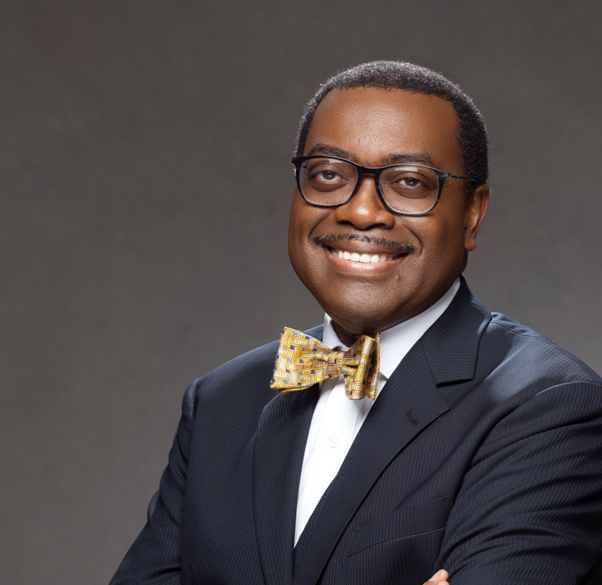
Akinwumi Adesina
Akinwumi Adesina embodies African leadership driven by vision, courage, and an unshakable belief in the continent’s potential. An economist by training and a reformer by instinct, Adesina rose from Nigeria’s agricultural policy space to become President of the African Development Bank (2015–2025), where he reshaped development finance with clarity and confidence. His tenure championed food security, energy access, industrialisation, and youth empowerment, priorities rooted firmly in Africa’s realities.
What makes Adesina central to this cover story is his refusal to accept limited expectations for Africa. On global platforms, he spoke boldly about African dignity, investment, and self-belief, positioning the continent not as a recipient of aid, but as a partner in progress. His leadership blended data with passion, policy with purpose.
Beyond institutions, Adesina’s work reflects a philanthropic commitment to long-term impact. He represents a generation of African leaders proving that global influence is strongest when grounded in service, identity, and an unwavering commitment to Africa’s future.
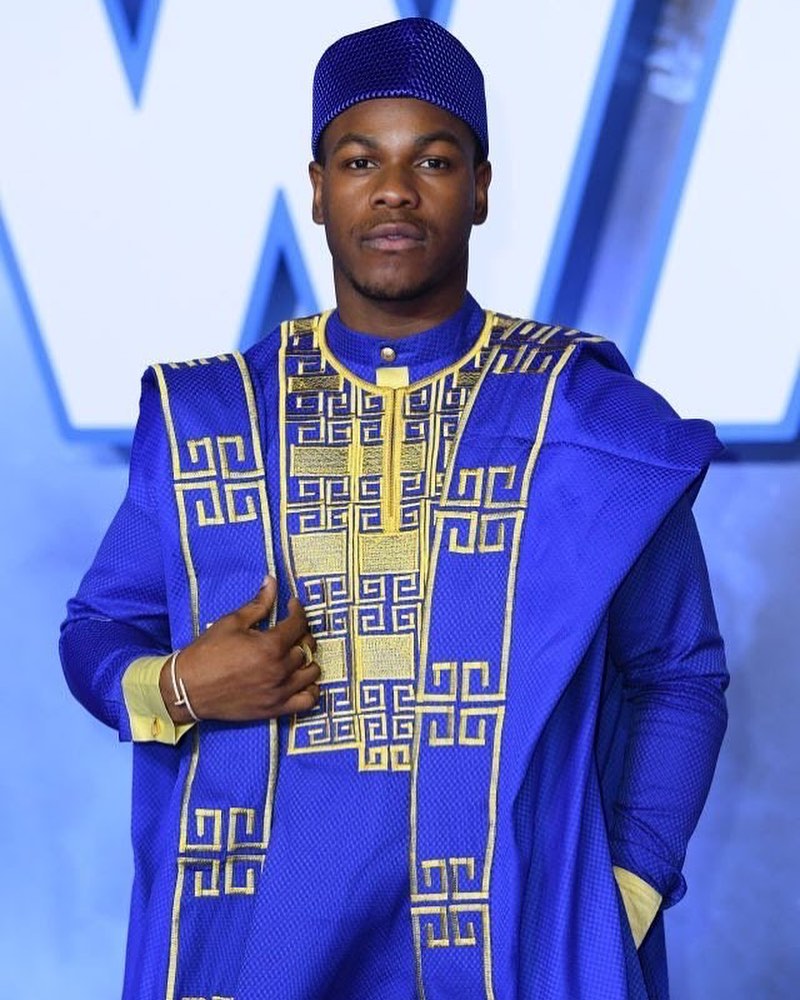
John Boyega
John Boyega is never one to shy away from his Nigerian heritage, as he has established himself as a renowned actor who has achieved global fame and uses it as fuel for local impact. From his breakout in Attack the Block to his iconic role as Finn in the Star Wars trilogy, Boyega has consistently reached the highest heights of Hollywood. However, he has never been content with just being a “face” on a poster. Through his company, UpperRoom Productions, he has pioneered a $25 million initiative to merge Hollywood standards with Nollywood’s raw energy, aiming to produce high-quality African stories that don’t dilute the culture for a Western gaze.
Whether he is speaking Yoruba at the RMB Think Summit in Lagos or advocating for Black actors to have “a seat at the table,” Boyega remains fiercely connected to his Nigerian heritage. In 2025, his debut in the Pirelli Calendar and his lead role in the Otis Redding biopic proved his versatility, but it is his commitment to “bringing the skills back home” that defines him. He fits this narrative as a titan who proves that you can conquer the galaxy while remaining firmly rooted in the soil of your ancestors.