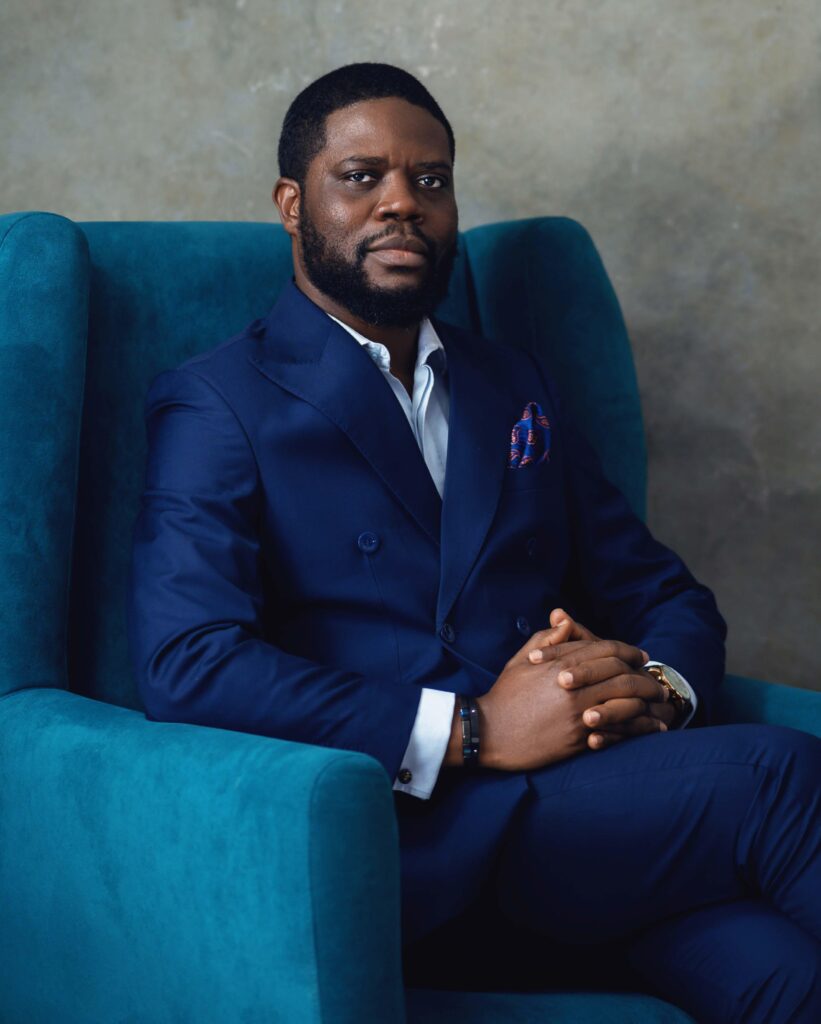



Muyiwa Olowoporoku: Building Impact Through Partnerships
-
- January 11, 2026

In today’s fast-moving world, influence isn’t always loud; sometimes it’s strategic, intentional, and quietly powerful.
Muyiwa Olowoporoku belongs to that rare class of professionals shaping industries from the inside out. With a career that spans health, finance, energy, fintech, FMCG, and the creative economy, Olowoporoku has built a reputation as a marketing and partnerships leader who understands both people and systems.
Currently serving as the Head of Membership and Partnerships at the Private Sector Health Alliance of Nigeria (PSHAN), he is at the forefront of driving collaborations that translate private-sector strength into real, measurable public health impact.
Before PSHAN, Muyiwa played key roles in shaping brand narratives and corporate strategy at VFD Group Plc and ARTSPLIT, where he bridged business objectives with culture, innovation, and growth. Across every role, one thing remains constant: his ability to connect vision to execution and partnerships to purpose.
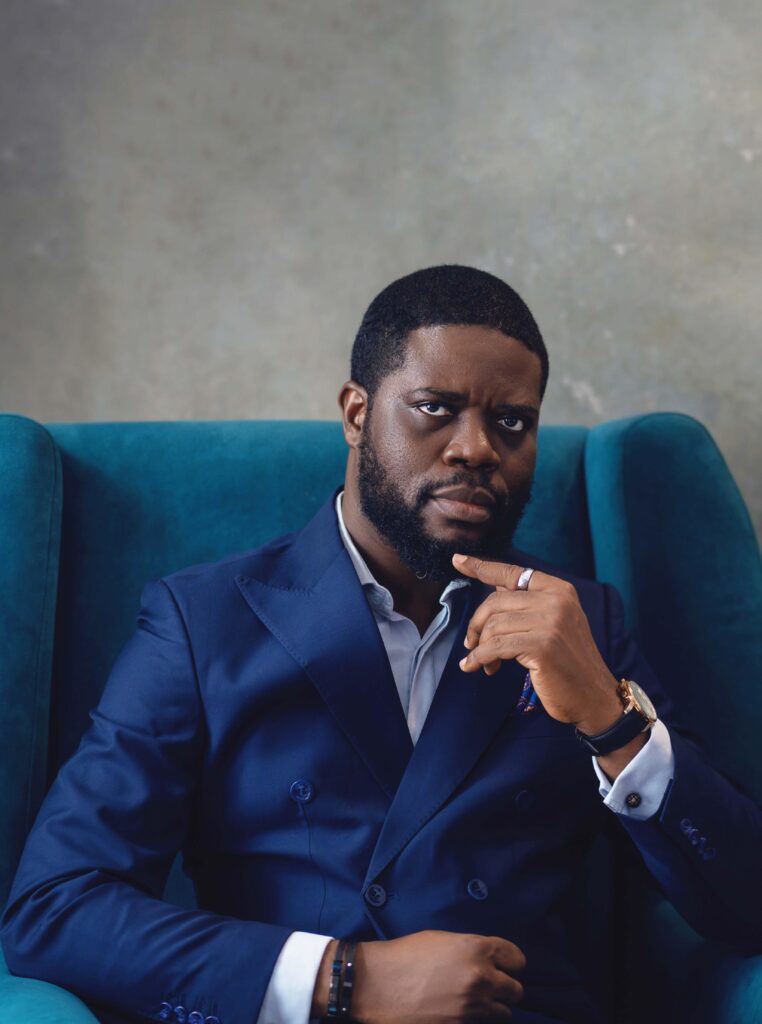
Armed with a Master’s degree in Mass Communication from the University of Lagos and professional affiliations that span local and international bodies, Muyiwa Olowoporoku represents a new generation of African leaders redefining what influence looks like.
In this exclusive interview with THEWILL DOWNTOWN’s Johnson Chukwueke, he takes time to explore his journey, mindset, and the thinking behind the impact.
What first drew you to marketing and strategic partnerships, and was this always the path you pictured for yourself?
My path into marketing and strategic partnerships was driven by curiosity more than certainty. I’ve always been fascinated by how ideas travel; how strategy, when communicated well, can influence behaviour, unlock value, and bring people together around a shared purpose. While I didn’t set out with a rigid career map, I consistently gravitated toward roles where storytelling, commercial thinking, and relationship-building intersect. Over time, that instinct became a deliberate professional focus for me.
Looking back, which early career experience shaped the professional you are today the most?
Agency work, early in my career, had a profound impact on me. It was fast-paced, demanding, and unforgiving, but incredibly instructive. Working across multiple brands and sectors taught me how to think on my feet, communicate with precision, and take responsibility for outcomes. It instilled discipline and adaptability, qualities that still anchor how I approach leadership today.
You’ve worked across several industries. How do you adapt your strategy when moving from finance to health or even the art world?
It is true that the sectors may differ, but the fundamentals of strategy remain consistent: understanding stakeholders, incentives, and value creation. What changes is context. Finance demands trust and precision; health requires ethics, empathy, and long-term thinking; the art world thrives on culture and emotion. I adapt by listening deeply, learning each sector’s language and pressures before shaping strategies that feel authentic and relevant within that ecosystem.

What excites you most about your work at PSHAN right now?
What excites me most about PSHAN is the opportunity to shape systems, not just projects. We are working at the intersection of policy, private capital, and public good, helping to redefine how healthcare is financed and delivered in Nigeria. The ability to build models that can scale nationally and potentially influence how healthcare partnerships work across Africa is deeply motivating.
How do you convince private-sector players to invest in long-term health outcomes rather than short-term wins?
Convincing private-sector players to invest in long-term health outcomes requires reframing the conversation. Health is not just a social good; it’s an economic enabler. Strong health systems reduce risk, improve productivity, and stabilise markets. By combining credible data, strong governance structures, and trusted partnerships, we demonstrate that health investments are strategic, not charitable—and that their returns, while not always immediate, are enduring.
What does “impact” truly mean to you beyond metrics and reports?
For me, impact goes beyond dashboards and reports. It’s about whether systems work better for people who are often unseen. True impact is sustainability interventions that continue to deliver value long after the initial funding cycle ends. Metrics are important, but impact is ultimately felt in lives improved and institutions strengthened.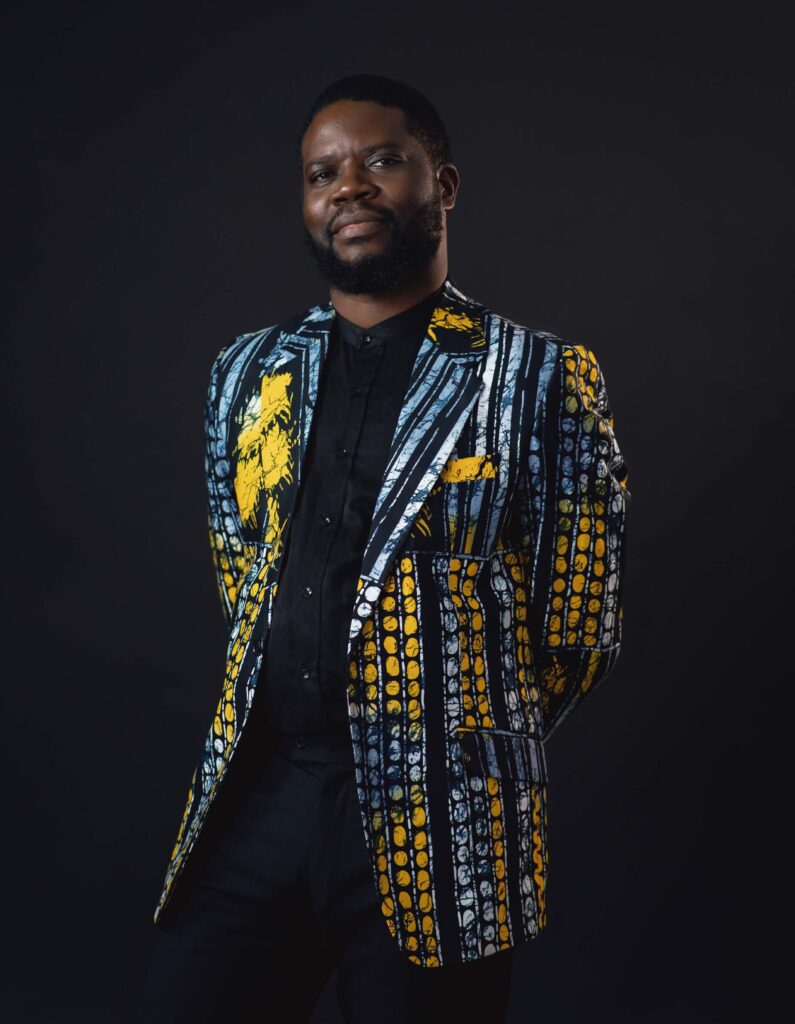
In your view, what separates a good brand from a truly trusted one in today’s Africa?
Interesting! A good brand communicates well; a trusted brand behaves consistently. In today’s Africa, trust is built through transparency, local relevance, and follow-through, especially when it’s inconvenient. People are discerning; they can tell when a brand is present for the long haul versus when it’s chasing short-term attention. Again, it’s a combination of all that has been said already.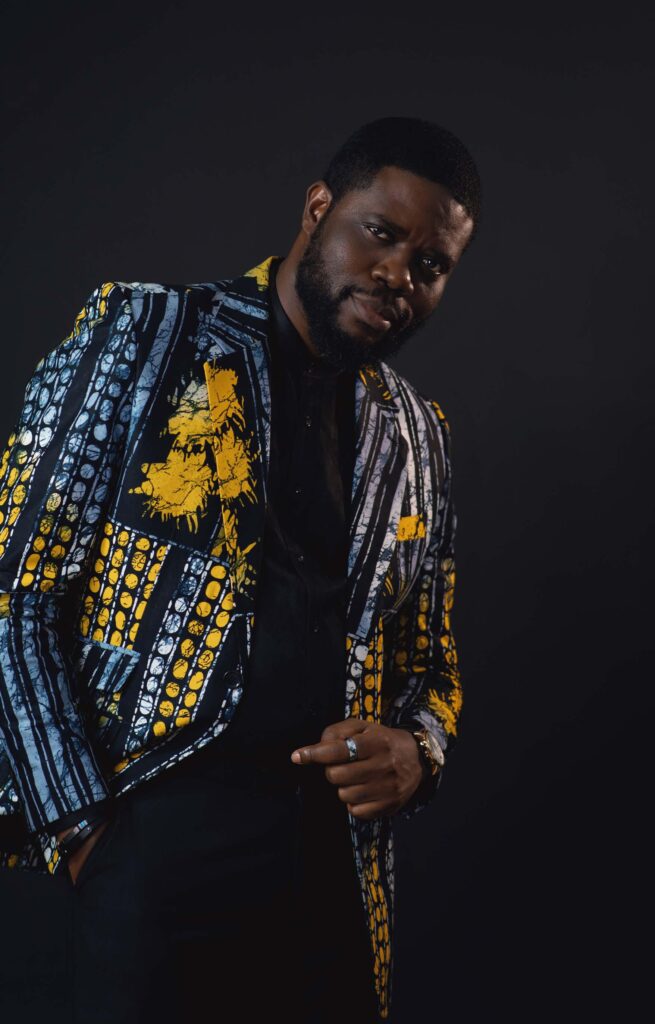
In your opinion, how important is storytelling in building partnerships that last?
Storytelling is critical. Data may persuade, but stories connect. Lasting partnerships are built when stakeholders see themselves in the narrative; when purpose, value, and outcomes align. Storytelling humanises strategy and turns collaboration into shared ownership.
Outside work, how do you unplug and recharge?
Outside work, I value quiet moments such as reading, reflection, and time with close family and friends. I also draw energy from creative spaces, i.e. art, music, and culture, which help me reset and approach challenges with a fresh perspective.
What personal values guide the decisions you make in your career?
Integrity, curiosity, and responsibility guide my choices. I believe in principled work, continuous learning, and leaving systems better than I found them. These values shape both the opportunities I pursue and how I show up.
If you could give one piece of advice to young professionals trying to find their footing, what would it be?
Build competence before chasing visibility. Focus on learning deeply, delivering consistently, and cultivating relationships with integrity. Careers are marathons, not sprints; clarity and confidence come with time and an intentional growth mindset.