
Inside the World of Deyemi Okanlawon
-
- December 14, 2025

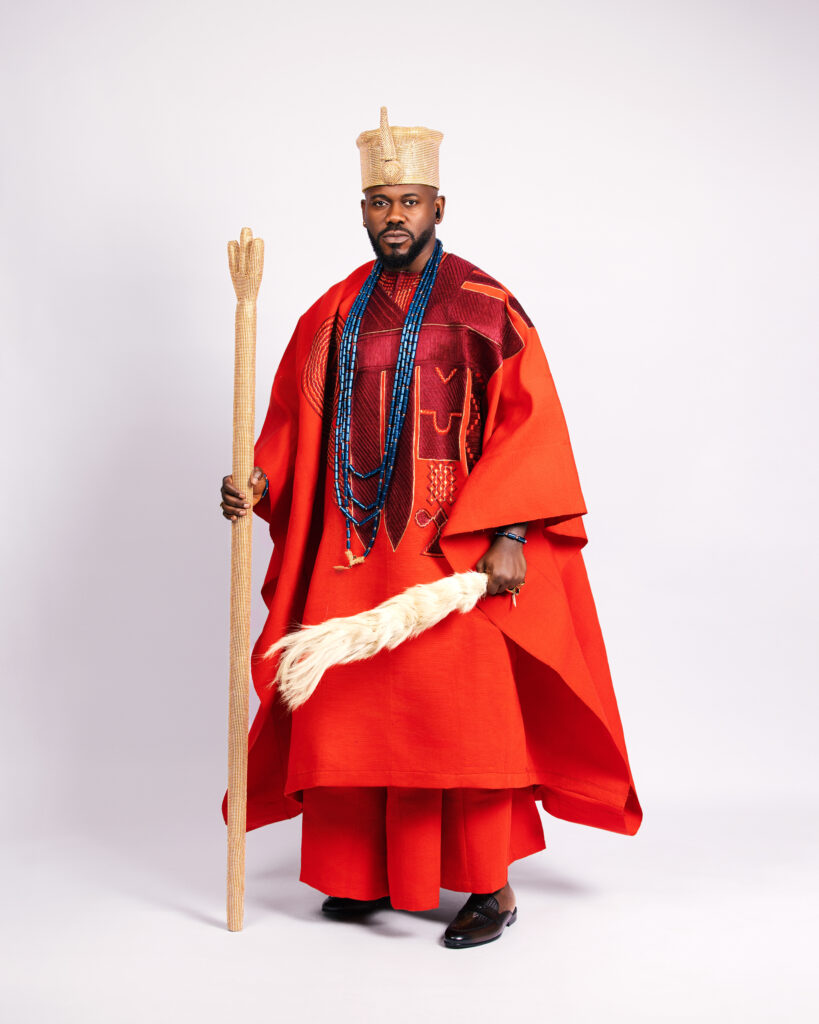
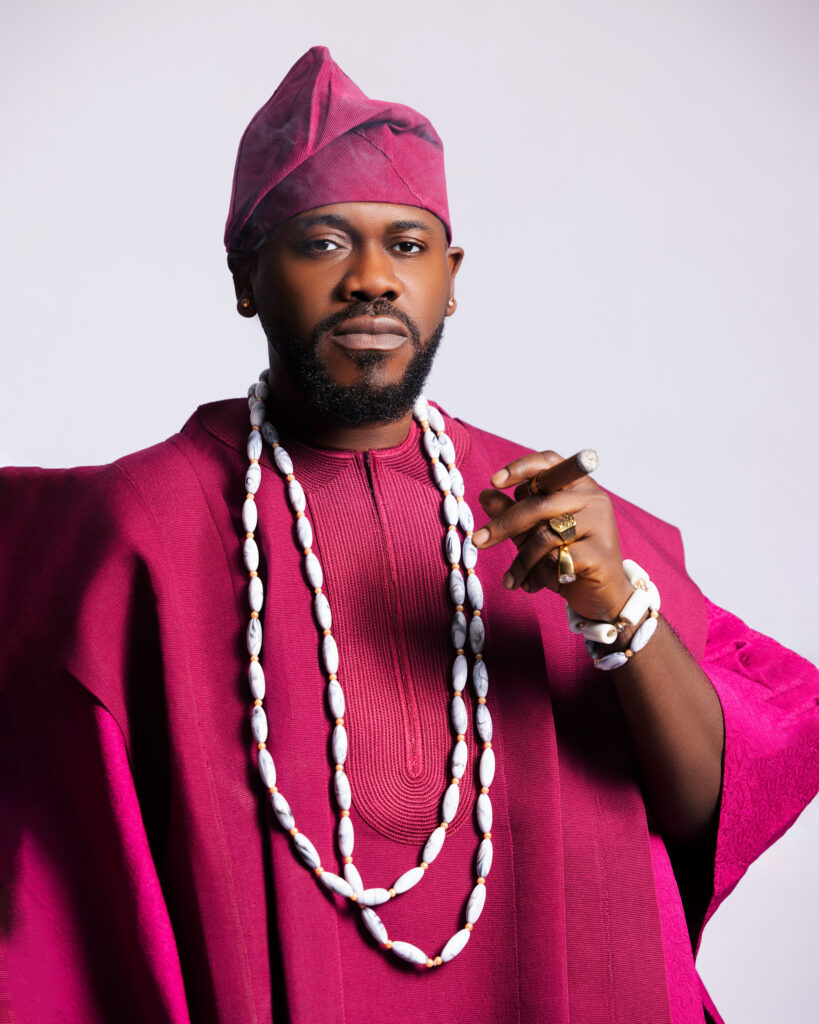
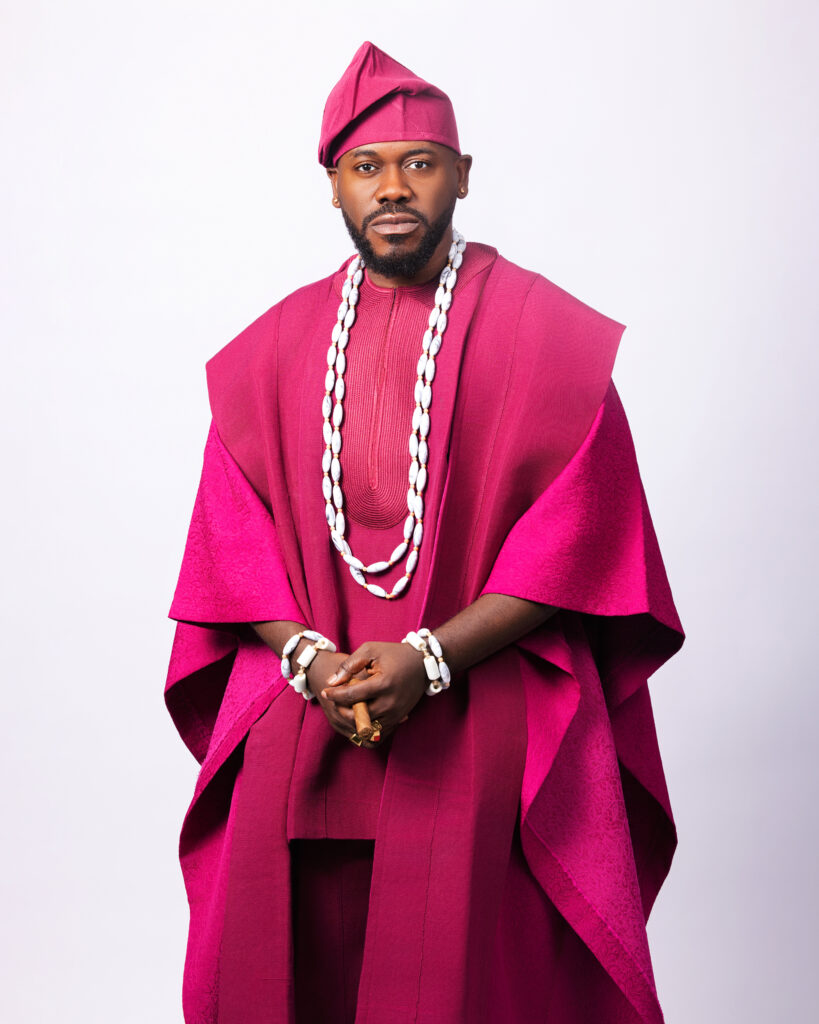
Few actors in Nollywood embody intentionality, discipline, and reinvention as seamlessly as Deyemi Okanlawon. Widely regarded as one of the industry’s most intellectually grounded performers, Deyemi is the kind of actor whose presence on-screen feels both immersive and carefully engineered. He is equal parts artist and strategist, a rare blend in an industry where many stumble into fame, but Deyemi built his career brick by brick.
From starring in school plays at age five to earning a certificate in Acting for Film from the New York Film Academy, his trajectory has always been rooted in excellence. Before Nollywood embraced him, he held degrees in Chemical Engineering and built a corporate career that sharpened the discipline and structure he now brings to his craft. But in 2013, he made a defining leap, walking away from the familiar to pursue acting full-time. Nollywood hasn’t been the same since.
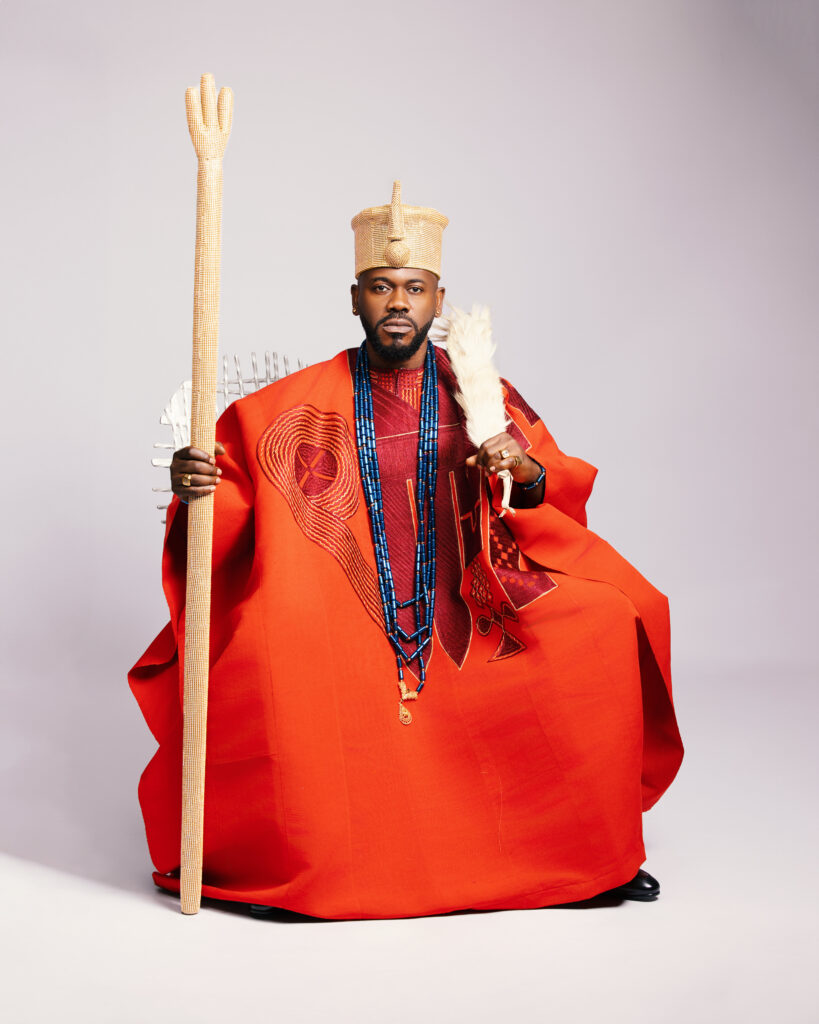
With standout performances in Blood Sisters, Gidi Up, The Wait, King of Boys: The Return of the King, Crossroads, and more than 50 film and TV credits, Okanlawon has carved a reputation as one of the most reliable, versatile, and emotionally intelligent actors working today. Yet beyond the polished performances is a man deeply committed to storytelling, family, personal evolution, and the future of the industry.
In this exclusive interview with THEWILL DOWNTOWN’s Johnson Chukwueke, he speaks about his journey, growth, philosophies, personal life, and what drives him to remain one of Nollywood’s most intentional creatives.
You started acting at age five and booked a national commercial at nine — what do you remember about those early days that told you this was your path?
I remember I enjoyed it. I was always reading storybooks, and even as a child, I had a very vivid imagination, so being on stage was my own way of expressing it. I really liked it, and I also got positive feedback about my performance. People like to watch me perform when I am at a party. I tell them an improv story, I get applauded, and you know, just doing these things encouraged me. Even in the TV commercial, which was a family planning campaign, I remember being the only child who didn’t have issues with lines or movements; I just took instructions and executed as required. So that’s what I remember from back then.
You studied Chemical Engineering, trained at New York Film Academy, and worked in sales and marketing — at what moment did you know it was time to commit fully to acting?
I knew I was going to study engineering, just like my father, even though I was reading novels and other literature books because I enjoyed them. So I got into the university, studied chemical engineering, and while I was there, I joined a Christian drama group. The third thing I did while on campus was run a business where I sold my mother’s bread. At that time, she owned a bakery, so from time to time, I would take the bread and cake and sell them. Even after the university, I worked with my mum for two years, and after that, I started a business. Now, I was very active in church drama during the entire period, and the church sent me for training at Dell York. Dell York invited people from the New York Film Academy to Nigeria to train us. That’s where I studied acting for film. I took one month off work, and since I am the kind of guy who delivers, they allowed me to work remotely, and this was way before remote jobs even became a thing. They allowed me to work remotely while I did my training. While working sometime ago I met some guy who studied engineering as well, we got talking, he asked what else I do, I told him I do a bit of acting in the church, and he informed me about an audition coming up, he sent the information for the audition, I went in, did my thing, and they offered me the role on the spot. The director of that short film was Daniel Etim Effiong. Daniel was my first director in a film. I went to training after that as well, understood what is required, understood where the knowledge gap is, and where the skill gap is as well. I think two years or three years after my first film, I was head of marketing at OLX at that time. Then I got this really big film offer. I had been doing short films, web series, and then one of the projects I had done became very big on Ndani TV, which is Gidi Up. They needed to shoot a proper season, no longer a web series, and they needed me for two months. That’s when I decided to resign from my job and become an actor full-time. I said I would act for a year, and now that year has turned into 12 years.
What role has challenged you the most emotionally or mentally, and why?
It’s really difficult to answer that question because it’s like asking me which one of my children I love the most. You see, for me, I am not acting in the sense of pretending; I am becoming the character, and the process is an intense one. That’s why I can’t look at it just at the surface level and say I enjoyed playing a certain character more than I enjoyed playing other characters, or this character was more than that. I have had much mental, emotional, and physical intensity in the different roles I have dealt with. There are just different challenges that come with different roles, for example, Hakeem Seeking Justice, which is an action film; I got physically exhausted on that one. Then there is a Japanese series coming out on the 13th of December in Japan, it’s titled Queen of Mars. It is a sci-fi series that happens on Earth and on Mars. My character plays the Elon Musk of the future. The Japanese believe that in 100 years or so, Africa will be the wealthiest continent, and the biggest billionaires, the wealthiest people in the world, will come from Africa. So I was playing this futuristic Elon Musk who finally travelled and lives on Mars. For me, going to Japan, and dealing with the Japanese people, their ways, culture, food, and general environment, their work ethic, if we think we work hard in Nigeria, then we haven’t met the Japanese. They will outwork you a million times over. When they put a call time for 9 am, if you get there at 9 am, you are already late, and it’s a thing of honour and respect to be very conscious of whatever you do, as it impacts the next person. So I was dealing with that while also trying to be the best performer that I could be. They were speaking Japanese, while I was speaking English, so understanding them needed to be timed perfectly. I needed to know what they were saying, and when to reply. In the movie, we have a device that, no matter the language you speak to anyone, they will understand instantly. So all these things come with the different roles and all of that. Another example is the Blood Sisters movie, where I played the character who was abusive, and I had to become that character even though I haven’t raised my hand to a woman in my adult years, but I had to bring this character to life.
What do you look for first in a script — character depth, storyline, message, or something else?
I have come to understand that the people behind the project are more important than the project itself. As a production, a film would rise and fall to the level of the producers. So if you read a great script, but the people you are working with don’t have the spirit of excellence, then it’s going to go bad. If you have a not-so-good script and put it in the hands of somebody who is excellent at their job, you can potentially have a great film come out of that. So first of all, it’s who is approaching me, if the person can successfully get my attention, then we now go to the script. The movie will be pitched to me, and I understand the why and where I fit in. Then we go to the part of me reading the script, and I read a script like I am watching a movie and just enjoying it as an audience member. I find out if I identify with the character in any way, or it could even be a character who is the complete opposite of me. The character must speak to me in order for me to connect with the character, empathise with it, and then I go into more details. I can already tell the calibre or the category of filmmaking that anyone is coming to me with. You know, we have micro, mid, and then high-budget movies, as well as the people who specialise in these different types of movies. I generally tend to work with the high-budget producers, because they are the ones who have the risk appetite. They know that they are excellent, so they can risk putting in more investment into their film. I am also somebody who strives for excellence. I want to work with much bigger budgets, and also, the financials have to make sense. I have to be assured that there is no undercutting or underpricing; it has to be something worth my time, energy, and effort. I do have lots of responsibilities to take care of, and that’s number one. I have a sense of the kind of films I want to be in, so it’s very easy for me to say this works or doesn’t work for me.
You’ve worked in high-intensity thrillers and lighthearted dramas. How do you prepare differently for different tones?
I don’t prepare differently; it’s the same. For different roles, I am basically creating a new entity, creating a new character, so even when the character seems to be similar in age, values, or whatever measure, I am still very careful not to be myself. So I am always building these characters, and the process is the same; none is easier than the other.
What story or genre do you feel Nollywood hasn’t explored deeply yet that you would love to be part of?
I don’t believe in putting Nollywood under any pressure to fulfil my fantasies. The filmmakers are doing what they can within this environment, and that’s okay. There are some people who are doing international-level work, you know, they are submitting films to film festivals and the like, then there are films all over the world that require African actors. So I am looking for stories all over the world that I can serve. It’s never going to be a case of me saying we should be doing more of this. There was a time we weren’t really doing great action movies, but now we are doing it, it’s an evolution. I am just here as Nollywood evolves, and as long as I am evolving alongside it.
Outside of acting, what’s your ideal way to unwind after a long filming day?
Go home if it’s early enough, hang out with my kids, draw some energy, love, and light from them. Tuck them in bed, lie back, watch a good movie, and just relax at home with the family, that’s it.
You’re a husband and father — how has fatherhood shaped your approach to your craft?
I mean, as an engineer, I am able to compartmentalise quite easily. I separate my two lives; they are very separate. My work is my work, my home is my home. I am just trying to be a great actor as well as a great father. While acting, I am at 100%, when I am home, I am also 100% a father.
What’s something surprising about you that fans wouldn’t guess from your on-screen persona?
I am a hopeless romantic. I don’t know if they will know that, but I am one. I love romance, and unfortunately, I don’t get to do a lot of romantic movies, but I am romantic at heart, and that’s how I was raised.
If you weren’t acting, what other career could you see yourself thriving in today?
A pastor. I was in the drama ministry in church, and I got to a bit of a crossroads where I was really serving through drama, and it wasn’t just a hobby; it was a ministry. I felt like I had to choose when I was younger. However, I realised that the ministry has more drama than drama.