


Foods That Look Healthy But Aren’t
-
- February 27, 2026

Being “healthy” on the label doesn’t always mean healthy in real life.
Walk through any supermarket, and you’ll see it everywhere: “low fat,” “natural,” “high protein,” “organic,” “gluten-free.” Modern food packaging knows exactly how to appeal to people trying to eat better. The problem? Some of the foods marketed as healthy are only half the story. Healthy eating isn’t just about branding. It’s about ingredients, portions, and how often something ends up on your plate. Many everyday foods carry a wellness halo but quietly contain added sugar, excess sodium, or heavy processing. Here are some common foods that look healthy, but deserve a second look.
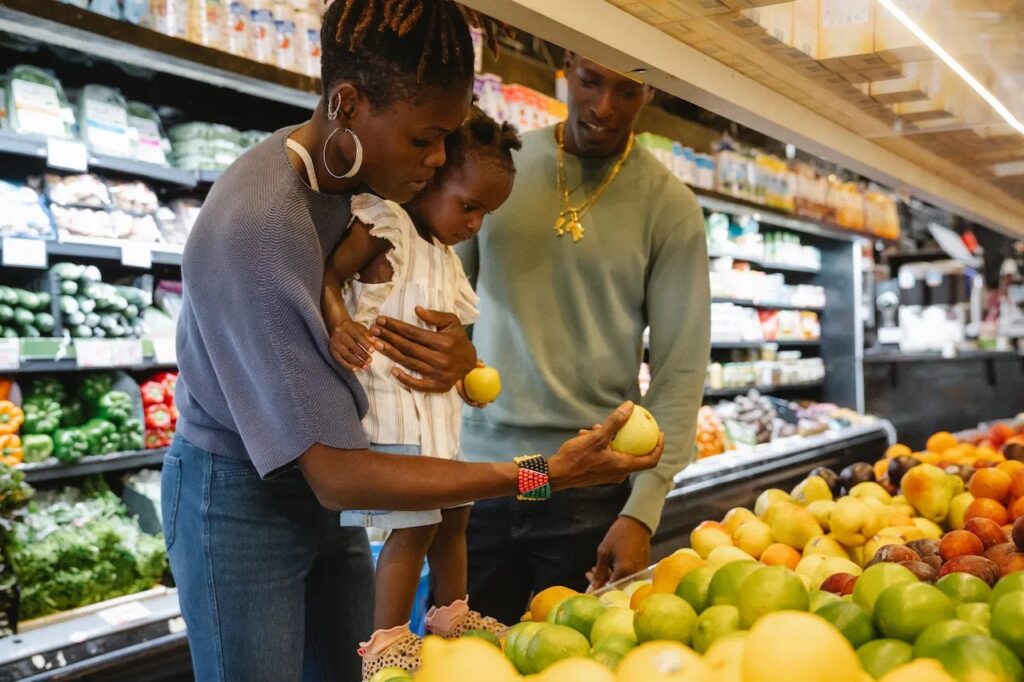
Flavoured Yoghurt
Yoghurt is great for gut health, but it can become a dessert in disguise. Many flavoured varieties are packed with added sugar, artificial flavourings, and sweet syrups. A single cup can contain as much sugar as a soft drink. The solution isn’t to avoid yoghurt entirely, but to choose plain options and add fresh fruit yourself.

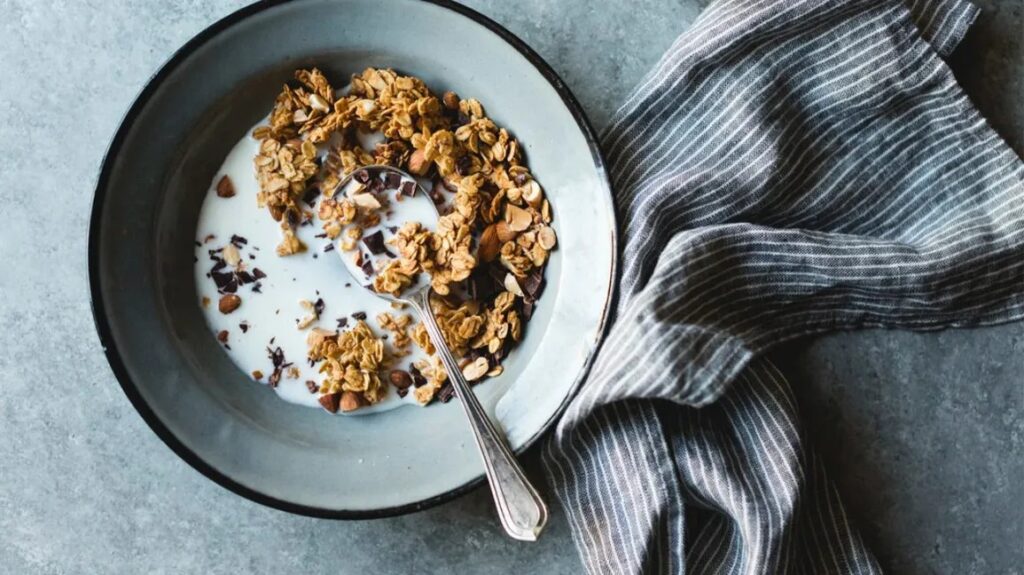
Granola and “Healthy” Cereals
Granola is often marketed as wholesome and natural, but many brands are loaded with sugar, oils, and sweeteners to enhance flavour. Even small servings can be calorie-dense. The same goes for cereals labelled “whole grain” or “high fibre.” Always check ingredient lists, not just the front label.
Fruit Juices And Smoothie Drinks
Fruit sounds healthy, and it is, but juicing removes fibre and concentrates sugar. Bottled juices and smoothie drinks often contain added sweeteners and preservatives. Even 100% fruit juice can spike blood sugar when consumed in large amounts. Whole fruit remains the better option.
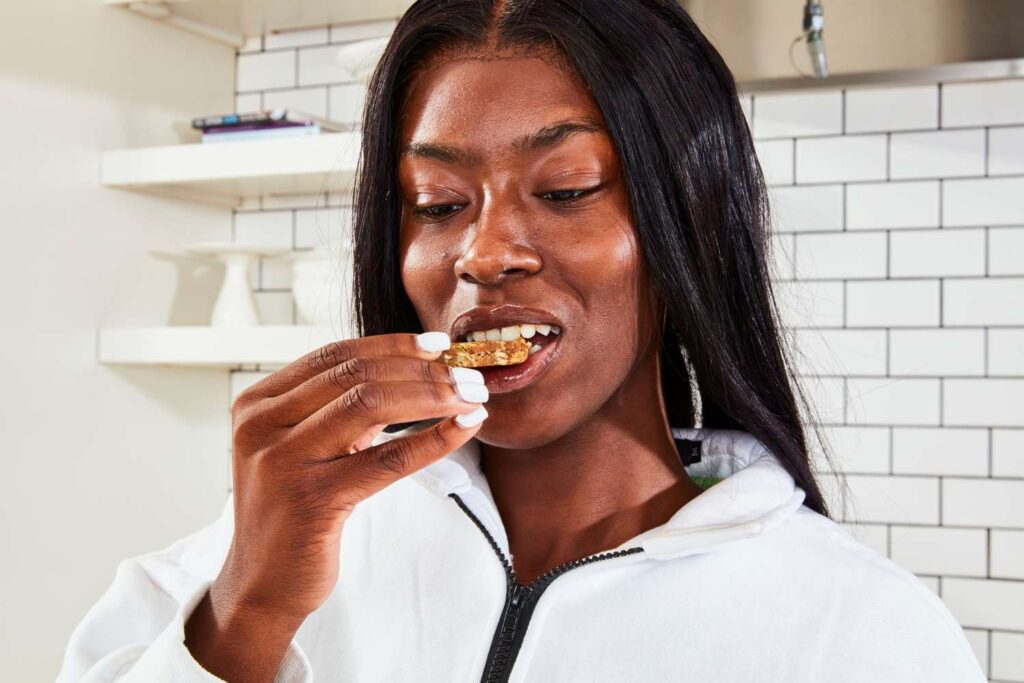
Protein Bars
Protein bars are convenient, but many resemble candy bars with a protein boost. Some contain high levels of sugar alcohols, syrups, and processed fats. They can be useful occasionally, especially on busy days, but shouldn’t replace balanced meals.
Low-Fat or Fat-Free Products
When fat is removed from food, something often replaces it, usually sugar, starch, or artificial additives to maintain taste and texture. Low-fat does not automatically mean low-calorie or healthier. In some cases, moderate portions of full-fat options are more satisfying and less processed.
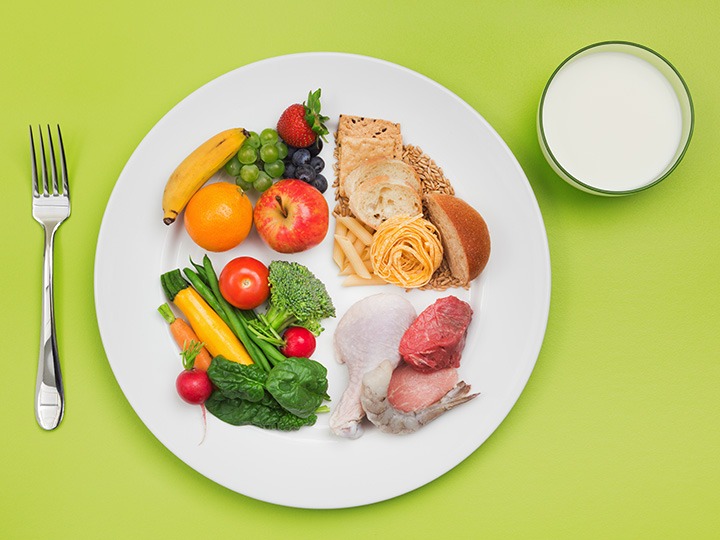
Healthy eating isn’t about fear; it’s about awareness. Food marketing is powerful, but reading ingredient labels and understanding portion sizes makes all the difference. A product can be convenient yet not ideal for everyday use. The goal isn’t perfection. It’s a balance. Because real wellness isn’t built on labels, it’s built on informed choices.