
THE 10-YEAR CHALLENGE: A Look at Nigeria Then & Now
-
- January 24, 2026
The 10-Year Challenge is not just a social media trend. For Nigeria, it is a reminder of how much our everyday lives have changed quietly, slowly, and sometimes without us noticing.
Ten years ago, the things we considered normal felt different. The music on our phones, the clothes in our wardrobes, the way we went to church, the celebrities we admired, and even how we expressed ourselves online have all evolved.
This article looks at Nigeria then and now through culture. It focuses on the small things Nigerians remember easily: beauty trends, fashion choices, entertainment, religion, social media habits, and lifestyle shifts. It also looks at the National Theatre, which was once forgotten but now revived, serving as a symbol of how Nigerian culture itself has moved from neglect to relevance.
From what we wore and listened to, to the platforms we used and the personalities we followed, this is a cultural throwback many Nigerians will recognise.
BEAUTY: NIGERIA THEN & NOW
In 2016, the Nigerian beauty industry was still finding its voice. Makeup trends were bold and heavy, driven by Instagram and makeup fairs. Matte foundations, sharp brows, liquid lipsticks, baking, and strong contouring defined beauty looks.
The focus was mostly on colour cosmetics like foundations, eyeshadows, concealers, and lip kits. Most products were imported, with a few local pioneers adapting formulas for Nigerian skin tones.
Shopping was mainly physical, through beauty stores, open markets, and large exhibitions. Brands like House of Tara, BM|Pro (Banke Meshida Professional), Arami Essentials, Nuban Beauty and Zaron, among many others, stood out as trusted names, building early loyalty and shaping professional makeup culture across Nigeria.
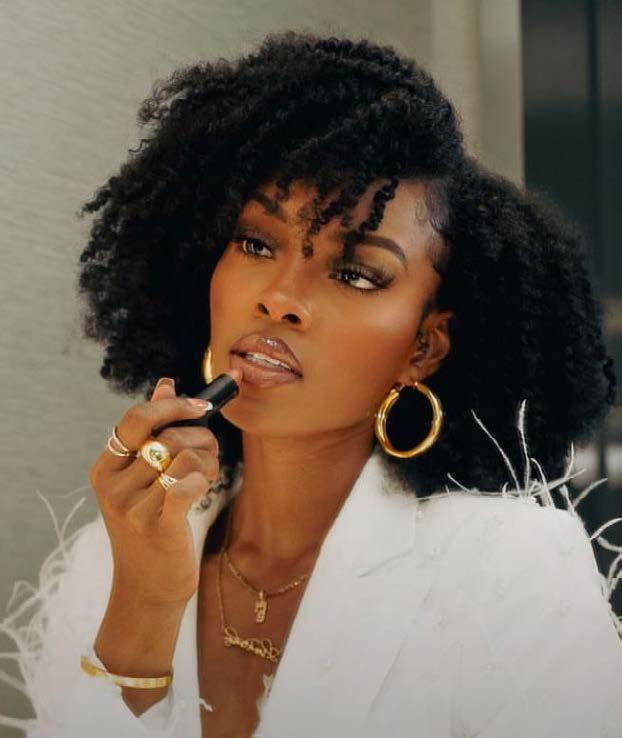
In 2026, the Nigerian beauty industry is projected to grow into a multi-billion-dollar market, valued between five and ten billion dollars. Beauty trends have shifted toward soft, natural-looking skin, glossy lips, and layered blush instead of heavy contouring.
Skincare now leads the market, especially clinical and dermo-cosmetic products focused on long-term skin health. Local bio-ingredients like shea butter, moringa, and baobab are widely used. Brands such as ORÍKÌ, Arami Essentials, Narganics, and Beauty by AD are thriving, while men’s grooming has expanded rapidly.
Technology now drives beauty, with AI skin analysis, personalised products, and online shopping dominating. Without any doubt, the Nigerian beauty industry has grown and moved from copying global standards to refining local ones.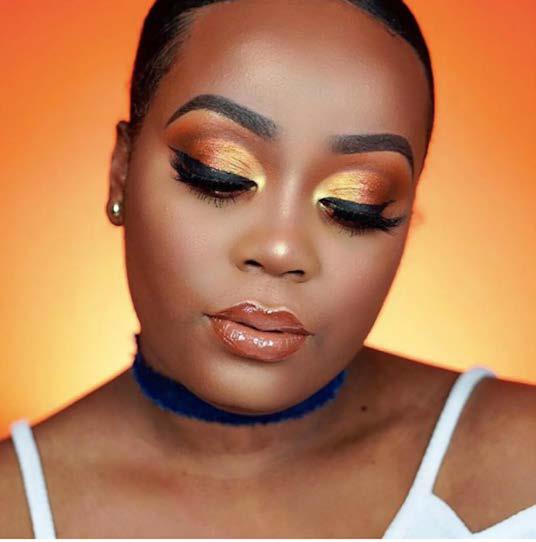
FASHION: NIGERIA THEN & NOW
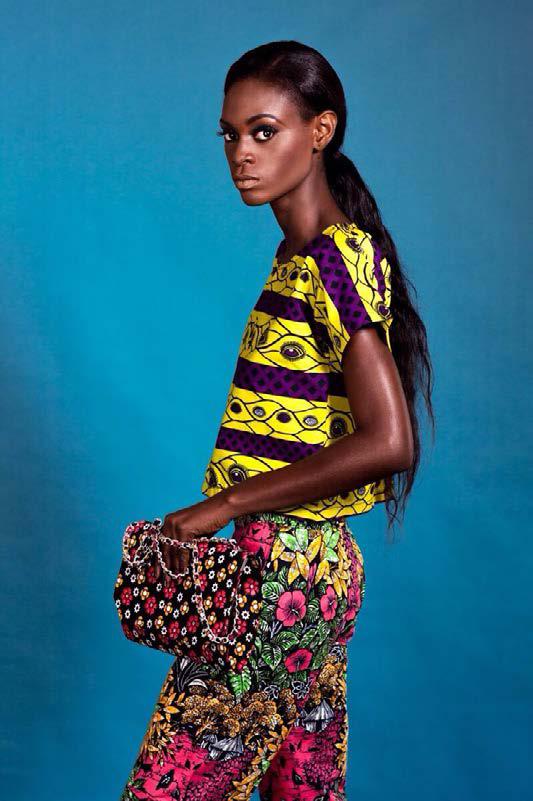
A decade ago, Nigerian fashion was already rich with talent but mostly familiar in its expression. Traditional fabrics like Ankara and lace were widely worn at events such as weddings and church services, and many people paired them with Western styles like jeans, tailored blazers, and fitted dresses.
Big names and rising brands such as Ejiro Amos Tafiri, Style Temple, Toju Foyeh, and Fablane by Derin were among the top brands that people recognised on red carpets and social occasions in 2016. These designers used classic techniques, flattering silhouettes, and detailed tailoring to create looks that reflected elegance and local identity, even as global fashion influences began to surface in streetwear and everyday styles.
Fashion then was bold but still rooted in familiar patterns and event dressing rather than everyday innovation.
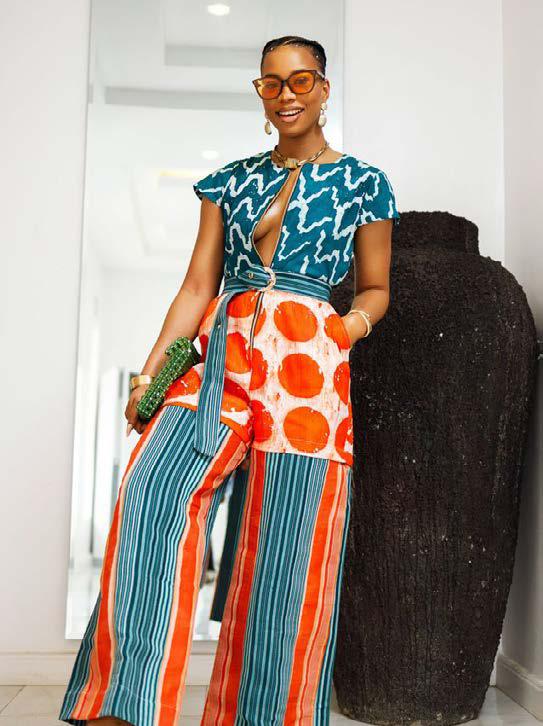
In 2026, Nigerian fashion has expanded far beyond traditional and casual looks into a thriving world of creative fusion, heritage revival, and global influence. Fashion in Nigeria today is a creative powerhouse with global visibility.
GTCO FSHN WKND and similar platforms have become major stages where designers blend tradition with innovation, using Ankara, Aso-Oke, and tribal prints in bold, modern ways. Many Nigerian designers now feature on global runways.
Designers such as Lisa Folawiyo Studio, LDA, Yutee Rone Andrea Iyamah, Banke Kuku, and Maxivive are now household names, and Nigerian fashion regularly appears on international runways and in global media.
Fashion retail houses have become more popular with retail houses like, Alara, Vane Style, Zinkata and Temple Muse to name a few. Stylists have become more popular with names like Medlin Boss, Tosin Ogundadegbe, Ifeoma Odogwu leading the way.
Young designers are reinventing Aso Oke, Adire, and Ankara with new cuts, eco-friendly fabrics, and bold silhouettes that blend culture with contemporary style. Oversized bubu gowns, cowrie accessories, vibrant prints and denim with artistic shapes are trending among youth and fashion lovers, often styled with sneakers and modern accessories for an everyday look.
Streetwear brands like Severe Nature and WafflesNCream bring Lagos street culture into the mainstream, growing Nigeria’s influence in global urban fashion.
Looking back at both periods, the change is striking. Nigerian fashion has moved from being locally admired to globally respected, and youth culture now drives trends that reflect identity, creativity, and personal expression in bold, new ways.
RELIGION: NIGERIA THEN & NOW
Ten years ago, Nigeria’s religious landscape was dominated by well-established pastors who had long shaped Christian life in the country.
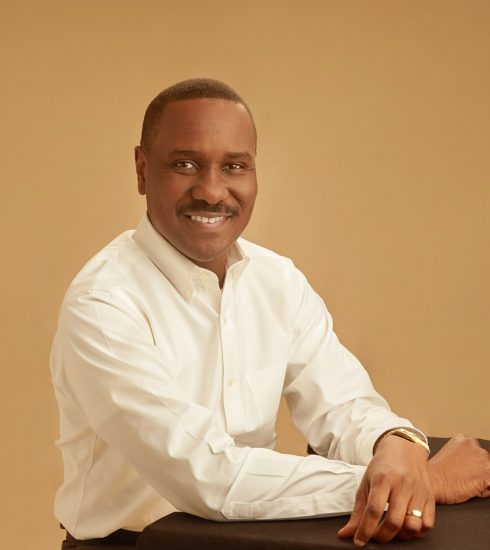
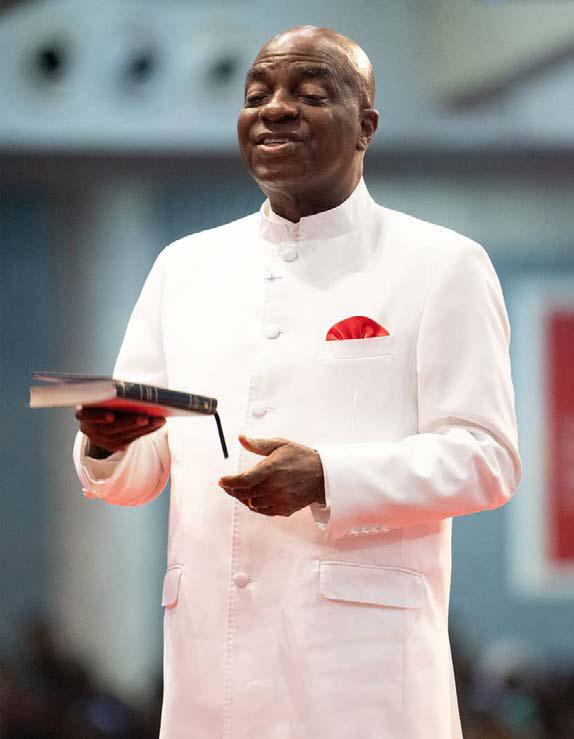
Leaders like Pastor Enoch Adeboye of Redeemed Christian Church of God (RCCG) and Bishop David Oyedepo of Living Faith Church Worldwide (Winners’ Chapel) were household names known for mega-events, large congregations, and influence across Africa and beyond.
Megachurch culture was strong, and many Nigerians attended services weekly in packed auditoriums or large open grounds. Television broadcasts and radio programs were primary ways people connected with church services if they could not attend physically.
During this time, digital presence existed but was still in early stages, with many pastors using social media only to share short clips or announcements rather than full services.
In 2026, religion in Nigeria has shifted dramatically toward digital platforms, changing how people worship and connect with ministries.
The rise of online churches and livestreamed services has become a major trend, with pastors like Pastor Jerry Eze, founder of Streams of Joy International and convener of New Season Prophetic Prayers and Declarations (NSPPD), gaining millions of followers through daily online prayer sessions streamed on YouTube, Facebook and Instagram.
These digital services attract large live audiences from Nigeria and around the world, making faith accessible to people who cannot attend physical churches. Other pastors, such as Apostle Joshua Selman and Bishop David Oyedepo, also use social media to share sermons, teachings, devotionals, and prayer moments, blending traditional preaching with modern digital reach.
Most churches now have dedicated online services, mobile apps, and donation links, making virtual fellowship a daily routine for many believers.
BISHOP DAVID OYEDEPO
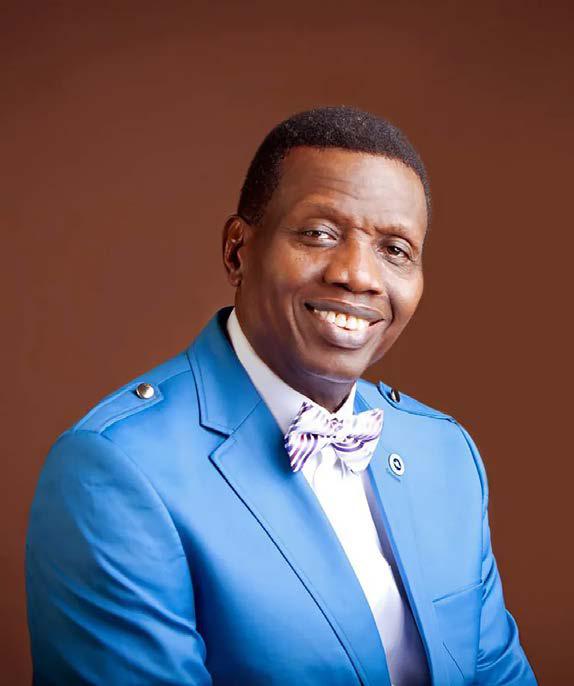
PASTOR EA ADEBOYE
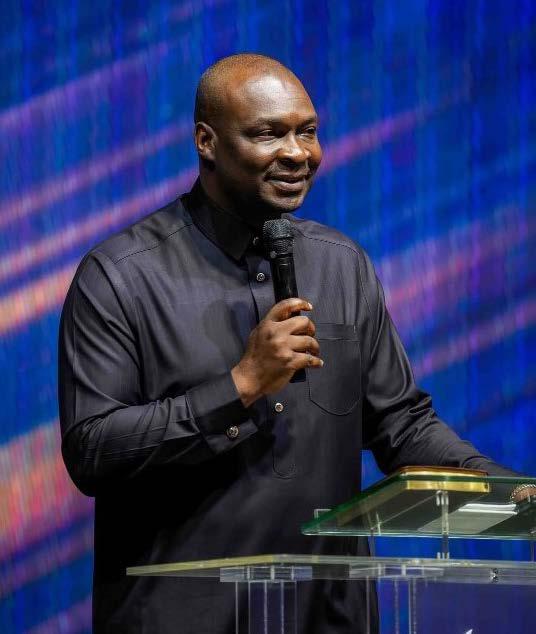
APOSTLE JOSHUA SELMAN
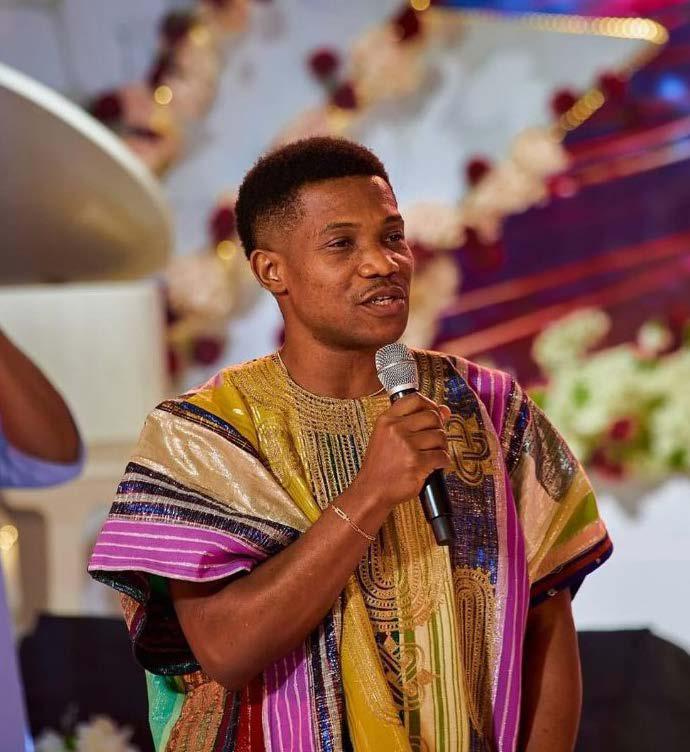
PASTOR JERRY EZE
ENTERTAINMENT: NIGERIA THEN & NOW
In 2016, Nigerian entertainment was already building momentum but largely centred on domestic fame and African pride. Afrobeats had begun its rise, with artists like Wizkid, Davido, Tiwa Savage, Burna Boy and Olamide among others drawing major crowds and radio play in Nigeria and across Africa.
We also had artists like D’banj, Flavour, Korede Bello, PSquare, Wande Cole and some others making waves. Music videos, live concerts, and street buzz drove trends then, and many hit songs were captured on DVDs, CDs, and YouTube clips that Nigerians shared widely.
Local music streaming was still early, and opportunities for global chart success were rare. On the movie side, Nollywood, although prolific, produced films with lower budgets and local distribution, and many movies were watched on TV or DVD at home.
By the end of the decade, films like Wedding Party and ’76 had become classics that people still watch today.
In 2026, Nigerian entertainment has grown into a global cultural leader, especially in music and film. Afrobeats dominates international playlists, festivals, and award stages.
Artists such as Wizkid and Burna Boy consistently top global streaming charts and headline arenas worldwide, with Burna Boy even producing a movie. Artists like Rema, Tems, Ayra Starr, Asake, Lojay, and rising voices such as Mavo, and the likes now shape the new sound of Afrobeats, blending pop, hip-hop, Afro fusion and street styles with global appeal.
Nigerian songs repeatedly land on Billboard and Shazam charts, while streaming platforms like Spotify and YouTube pay out record royalties as Nigerian music earns millions of plays worldwide.
Meanwhile, Nollywood has strengthened its storytelling, production quality and distribution, moving films onto international streaming platforms where stories from Lagos, Abuja and beyond reach global audiences and earn critical acclaim.
Looking back, the difference is striking. In 2016, Nigerian entertainment was exciting and growing within Africa, driven by artists and filmmakers creating local hits, but now, Nigerian music and film reach every corner of the world, influencing global pop culture.
Today, every major streaming playlist feels the pull of Afrobeats, and Nollywood films sit alongside Hollywood and Bollywood on international platforms. Nigerian entertainers have not just entertained, they’ve put the country’s creative spirit on the world stage with wider reach, higher production standards, and deeper cultural impact than ever before.
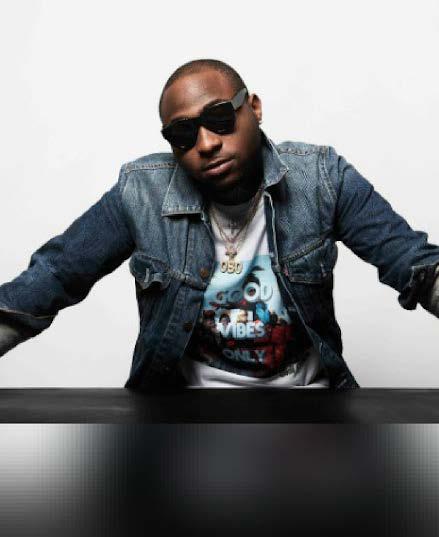
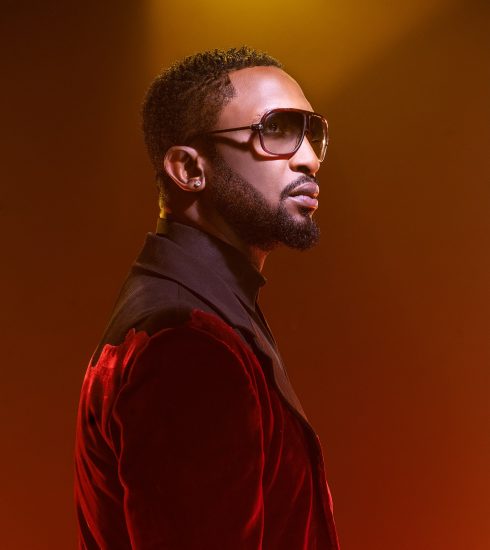
DAVIDO THEN
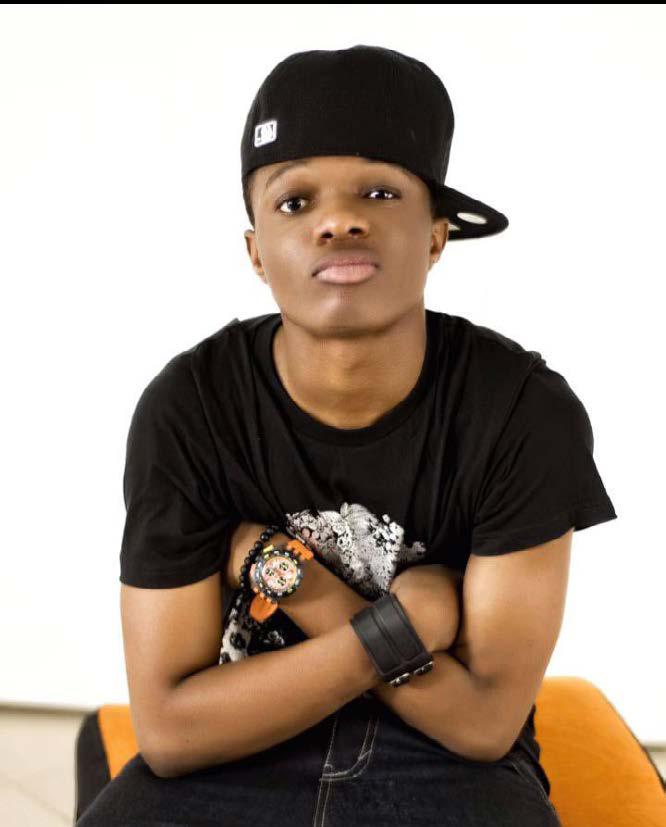
WIZKID THEN
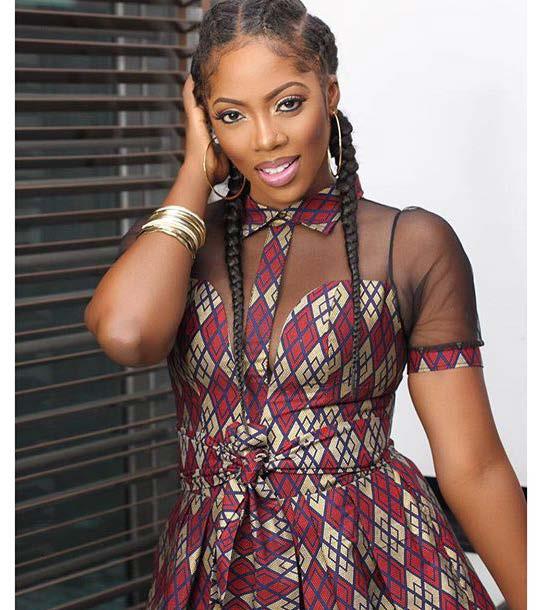
TIWA SAVAGE THEN
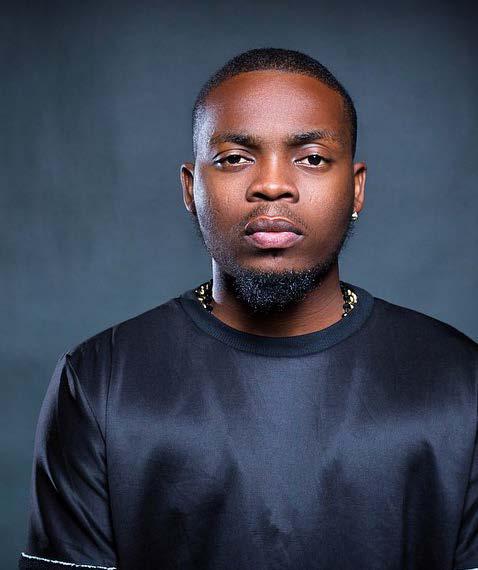
OLAMIDE THEN
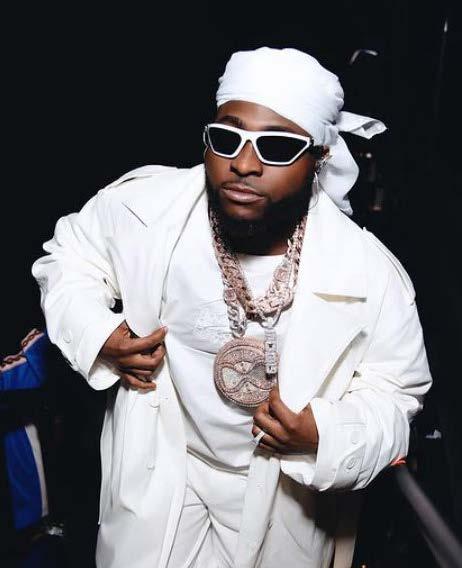
DAVIDO NOW
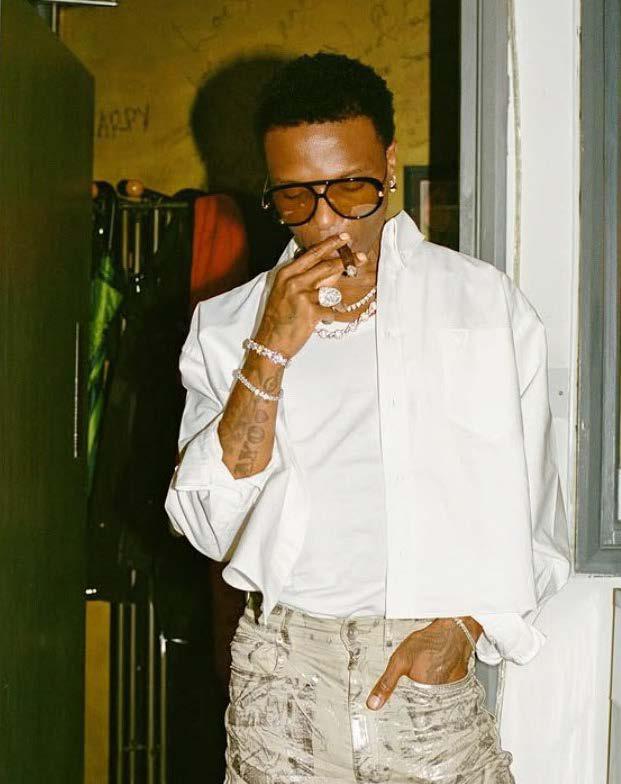
WIZKID NOW
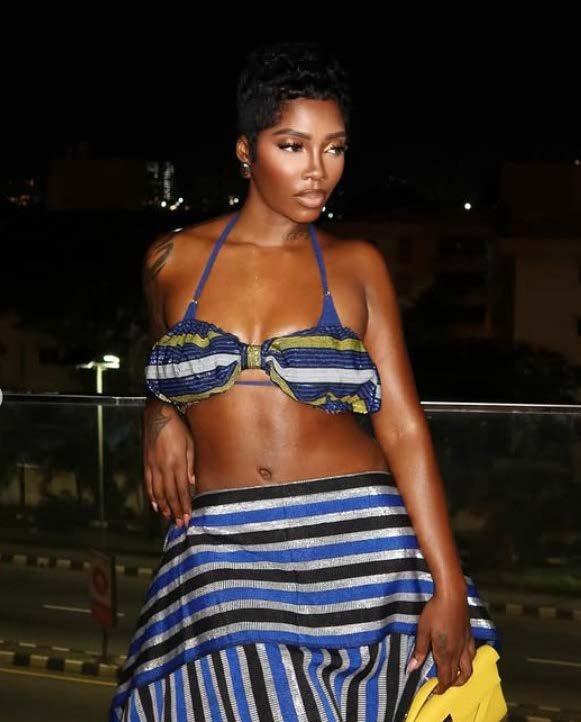
TIWA SAVAGE NOW
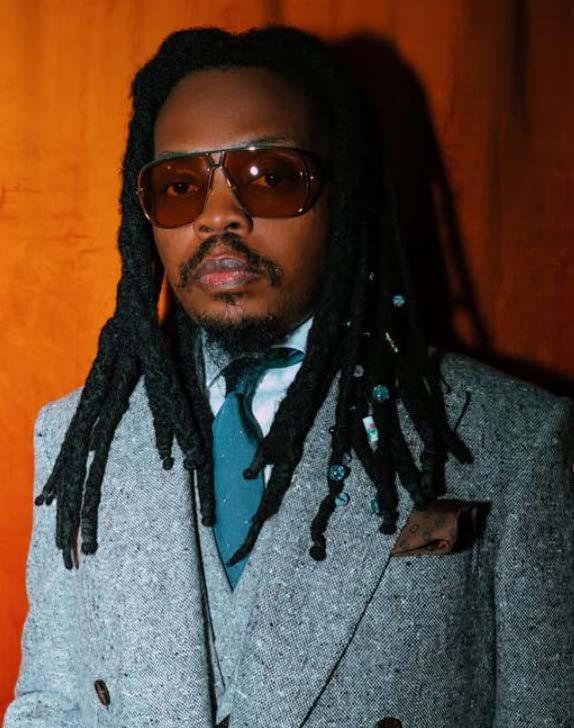
OLAMIDE NOW
SOCIAL MEDIA: NIGERIA THEN & NOW
A decade ago, social media in Nigeria was largely dominated by older platforms and basic engagement styles. Facebook was one of the first networks most Nigerians joined to post status updates, share photos, and connect with friends and family.
Instagram was popular among youth for photos, while Twitter (now X) was the place for debates, trends, and conversations, especially among students and professionals.
WhatsApp was already widely used for messaging and group chats, but it wasn’t yet the centre of business or social commerce that it is today. The concept of viral short-form videos was barely a thing; platforms like Vine had shut down, and Musical.ly, the lip-sync app many teens loved, had not yet merged into TikTok, not until 2018.
Early social media was slower and more text or image-based, with slower data speeds and fewer entertainment features shaping how Nigerians used the internet.
In 2026, Nigerian social media has become dynamic, video-first, and trend-driven. Platforms like TikTok have exploded, showing rapid growth and nearly matching Facebook in user numbers as home to short videos, challenges, dance trends, comedy, advice clips, and brand promotion.
TikTok’s creative format helped everyday Nigerians become content creators, skit makers, and entertainers with large followings. Facebook remains strong, but its role is now more community and group-oriented than trend-setting.
Snapchat, YouTube, LinkedIn and even X play unique roles in niche communities, whether for professionals, long-form video fans, or live discussion. WhatsApp is central to messaging, business communication, and even e-commerce conversations.
New local platforms like Banter and UWA Social, as well as WhatsApp channels, have also emerged, giving Nigerians homegrown social experiences and ways to earn from content.
Overall, social media usage today is faster, more interactive and more business-oriented than a decade ago. This evolution shows a deeper change in how people communicate, express identity, and use the internet to connect, create and influence beyond Nigeria’s borders.


NATIONAL THEATRE: NIGERIA THEN & NOW
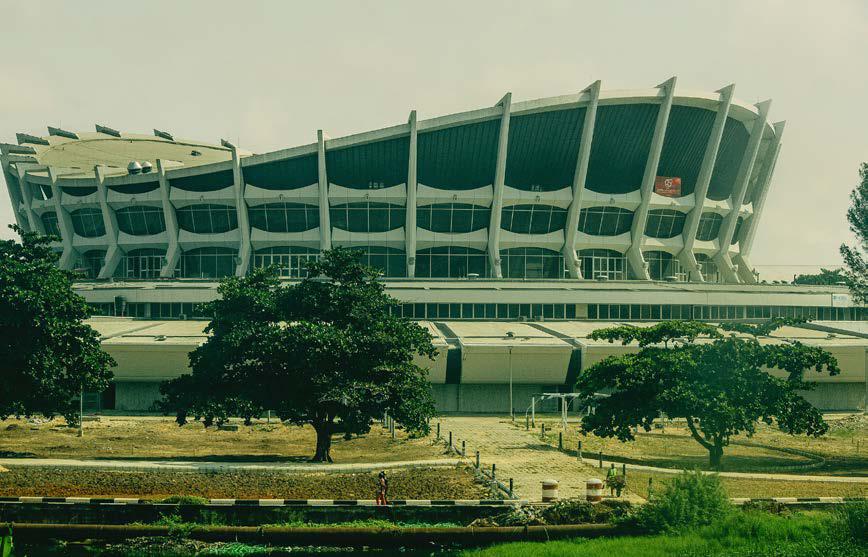
In 2016, the National Theatre in Iganmu, Lagos, stood as a proud symbol of Nigeria’s cultural promise, but was struggling deeply.
Built in the 1970s for FESTAC ’77, the theatre was once a hive of drama, music, dance, literature and creative expression. Over time, however, years of neglect, lack of maintenance, and shifting priorities meant the building deteriorated.
What was designed to highlight African arts faded into a shadow of its former glory, as many artists and performances migrated to smaller, informal spaces because the venue was unsafe or unusable.
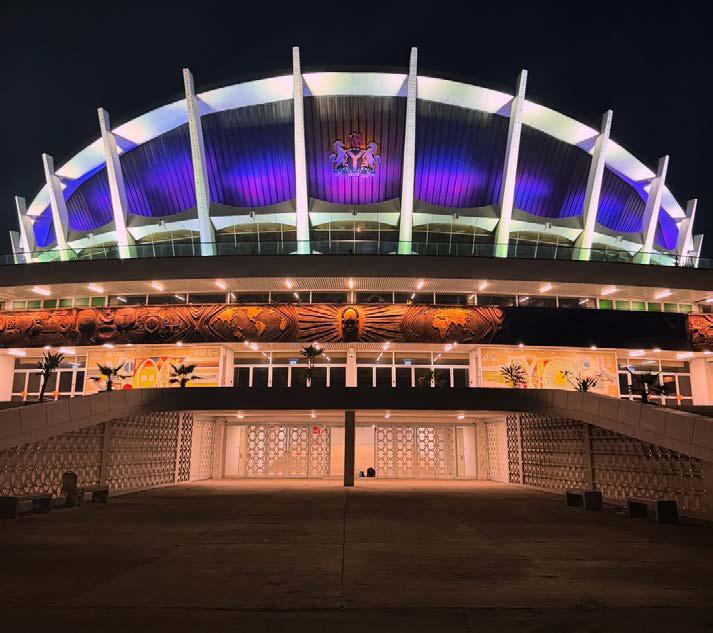
Now in 2026, that narrative has changed dramatically. The National Theatre has been fully renovated and renamed the Wole Soyinka Centre for Culture and Creative Arts, reflecting both respect for Nigerian artistic heritage and a bold new role in the cultural economy.
Financed through a public–private partnership led by the Central Bank of Nigeria and the Bankers’ Committee, the restoration brought world-class performance halls, cinemas, exhibition spaces, modern technical systems, improved safety, upgraded infrastructure and even integration with the Lagos Blue Line rail system for better access.
The venue now hosts theatre, music, film, fashion and creative industry events, and offers facilities such as galleries, rehearsal spaces, and an African literature library, creating jobs and promoting cultural tourism.
POPULAR PERSONALITIES: NIGERIA THEN & NOW
A decade ago, Nigeria had many celebrities who dominated hearts and headlines across music, film, fashion, and social media.
Davido was already one of the most talked-about music stars, known for hit songs and large social media followings. Wizkid had also risen to national fame with Afrobeats hits, becoming a defining voice in Nigerian music.
Tiwa Savage was earning acclaim as a leading female singer with a powerful voice and major performances. In film, Funke Akindele was a Nollywood favourite for her role in Jenifa’s Diary and other box-office successes.
A more unusual but unforgettable figure was Olajumoke Orisaguna, the bread seller who went viral after accidentally appearing in a high-profile photo shoot and briefly became a symbol of the “Nigerian dream” overnight.
These personalities were loved for their creativity, relatability, and the way they captured the public’s imagination.
In 2026, many of these stars have evolved and expanded their impact both within and beyond Nigeria.
Davido continues to dominate music with global tours, hits, brand deals, and massive social media influence, making him one of Africa’s most followed music icons. Wizkid has become a Grammy-winning artist whose songs chart internationally and shape global music conversations.
Tiwa Savage retains her title as a top Afrobeats queen, performing on major stages and influencing fashion, music and empowerment movements. Funke Akindele remains a powerhouse in Nollywood with box-office records and production successes, solidifying her place as one of the industry’s biggest names.
Meanwhile, Olajumoke Orisaguna has shifted away from modelling fame and is reinventing herself as a radio presenter, using her platform to inspire and connect with everyday Nigerians.
One major shift to note was that, in 2016, fame often came from breakout hits, classic TV roles, and memorable public moments. By 2026, fame is layered with global recognition, social influence, business ventures, and creative reinvention.
Some stars now host international tours, direct films, launch brands, and speak on social issues, all while inspiring the next generation of Nigerian talent.
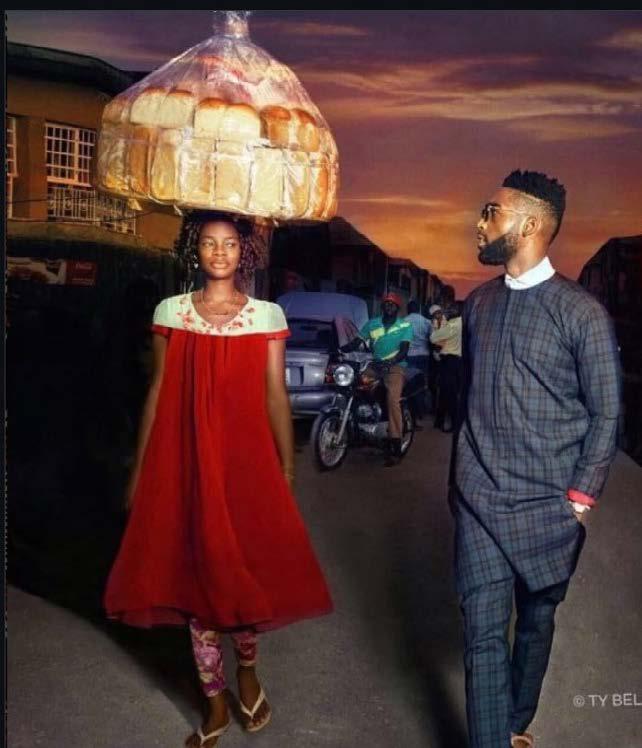
OLAJUMOKE ORISAGUNA THEN
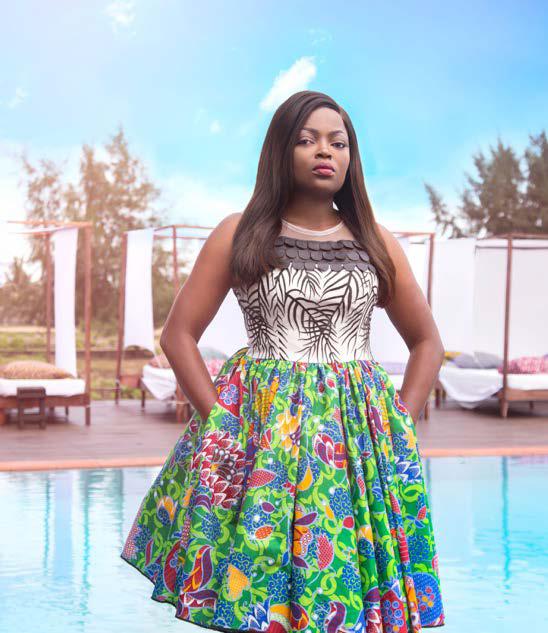
FUNKE AKINDELE THEN
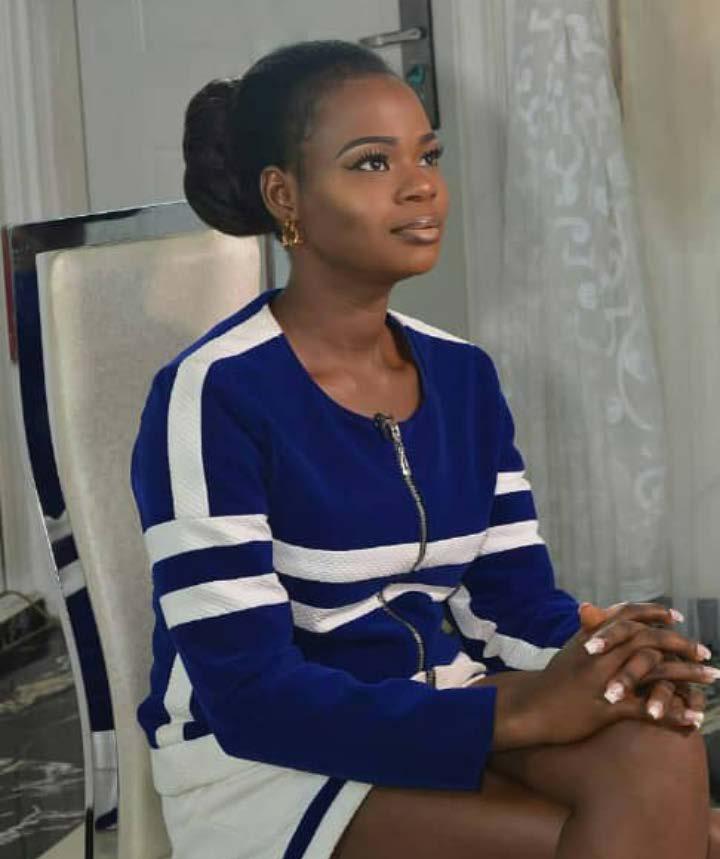
OLAJUMOKE ORISAGUNA NOW
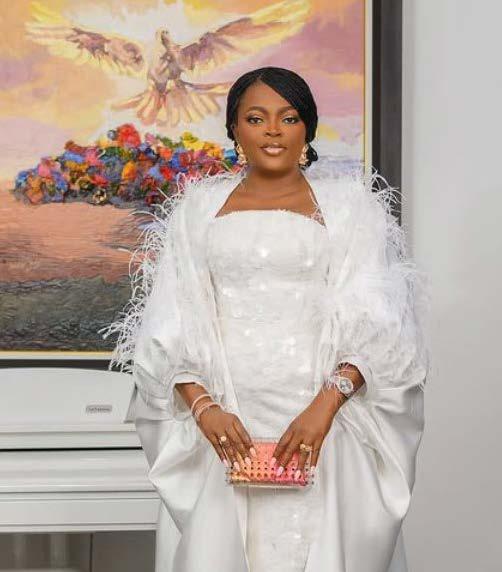
FUNKE AKINDELE NOW
This decade of change is not just about trends or fame; it is about identity. It is about Nigerians choosing how to express themselves, celebrating who they are, and shaping culture in ways both seen and unseen.
What was once local has become global, what was once niche has become mainstream, and what was once small has grown into something remarkable.

Dorcas Akintoye is a versatile writer with a passion for beauty, fashion, relationships, and culinary delight. With a keen eye for detail and a passion for storytelling, she adds a touch of elegance to every topic she explores. She is a writer at THEWILL DOWNTOWN.