


Odio Oseni on 30 Years of Odio Mimonet And The Future
-
- December 21, 2025
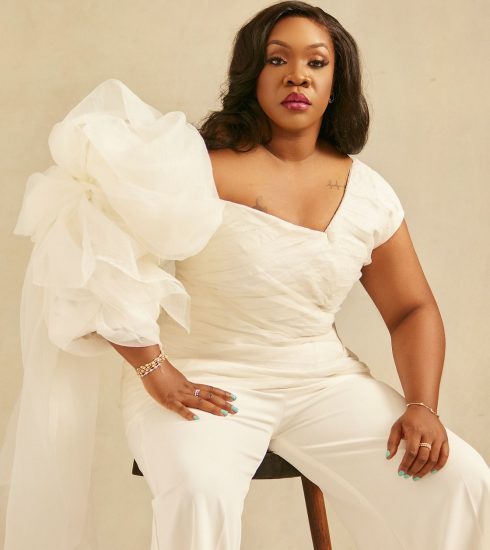
For three decades, Odio Mimonet has quietly but powerfully shaped the Nigerian fashion space. The brand has helped change how women dress, see themselves, and show up in the world. Known for its bold use of prints, strong silhouettes, and timeless designs, Odio Mimonet pushed fashion beyond trends and into meaning. It redefined power dressing for women, challenged old ideas around what femininity should look like, and proved that African fashion can be both artistic and enduring.
At the heart of this legacy is Odio Oseni, a designer whose work has always stood apart. With a deep love for art and a clear creative vision, she built a brand that celebrates the female form while giving women the freedom to feel strong and graceful at the same time. From her early days studying fashion in Nigeria and abroad to becoming a pioneer of the modern female Agbada, Oseni has remained fearless in her choices. As Odio Mimonet marks 30 years, the anniversary is more than a celebration of time; it is a testament to consistency, courage, and a woman who trusted her voice long before the industry was ready to listen.
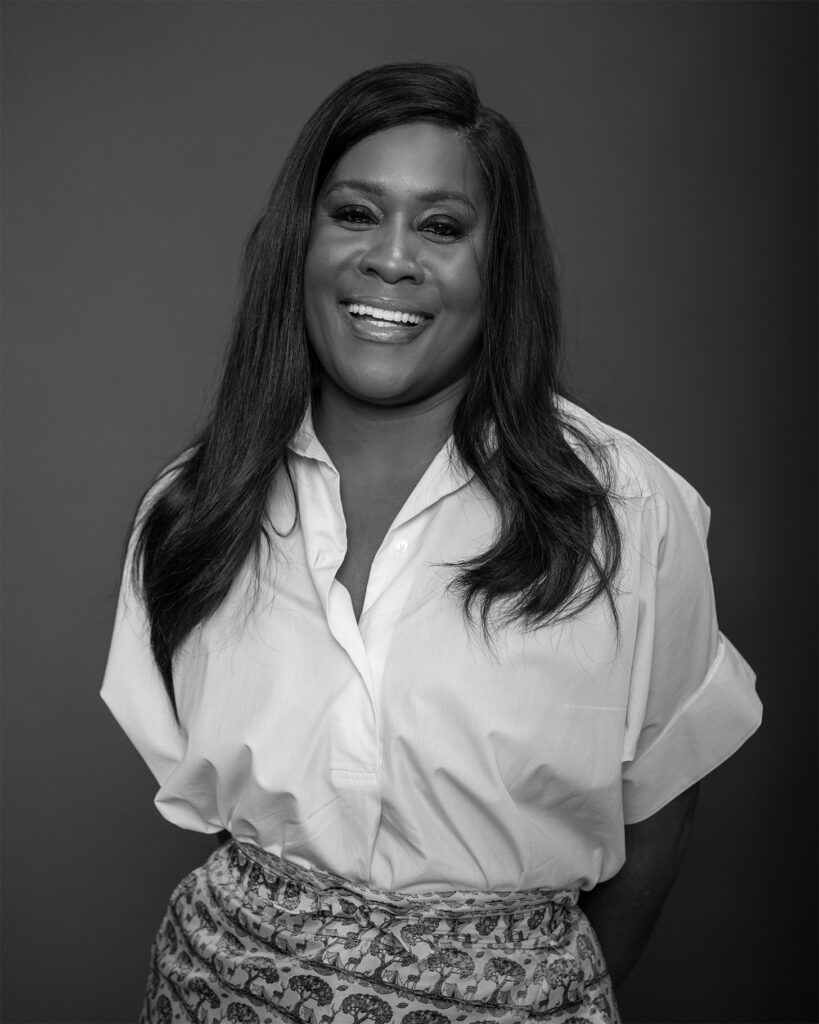
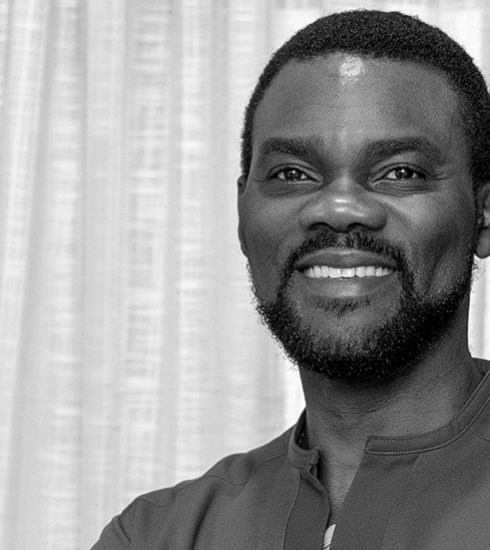
In this interview with THEWILL DOWNTOWN’s Executive Editor, Onah Nwachukwu, Odio Oseni discusses her journey through 30 years in fashion, the challenges that tested her resolve, and the ideas that shaped Odio Mimonet into a lasting brand.
Your brand is celebrating 30 years, an incredible milestone in any creative industry. When you look back at your journey, what would you say was the moment you truly knew Odio Mimonet had found its voice?
I think, much like a person, a brand’s voice evolves over time. What you wear as a child isn’t the same as what you wear as an adult; your style, your choices, and your expression all grow. For us, a real turning point was when we started building a community of people who trusted the label. That began with our couture work and later extended to Ready-to-Wear. With Ready-to-Wear, we focused on understanding who the Odio woman is, her moods, her joy, her individuality and embracing all of that in our designs. It was in that process of truly connecting with our clients and celebrating their stories that we realised our voice was not just ours, but theirs as well. And I believe that as long as we continue to listen and evolve with them, that voice will keep growing, vividly and confidently.
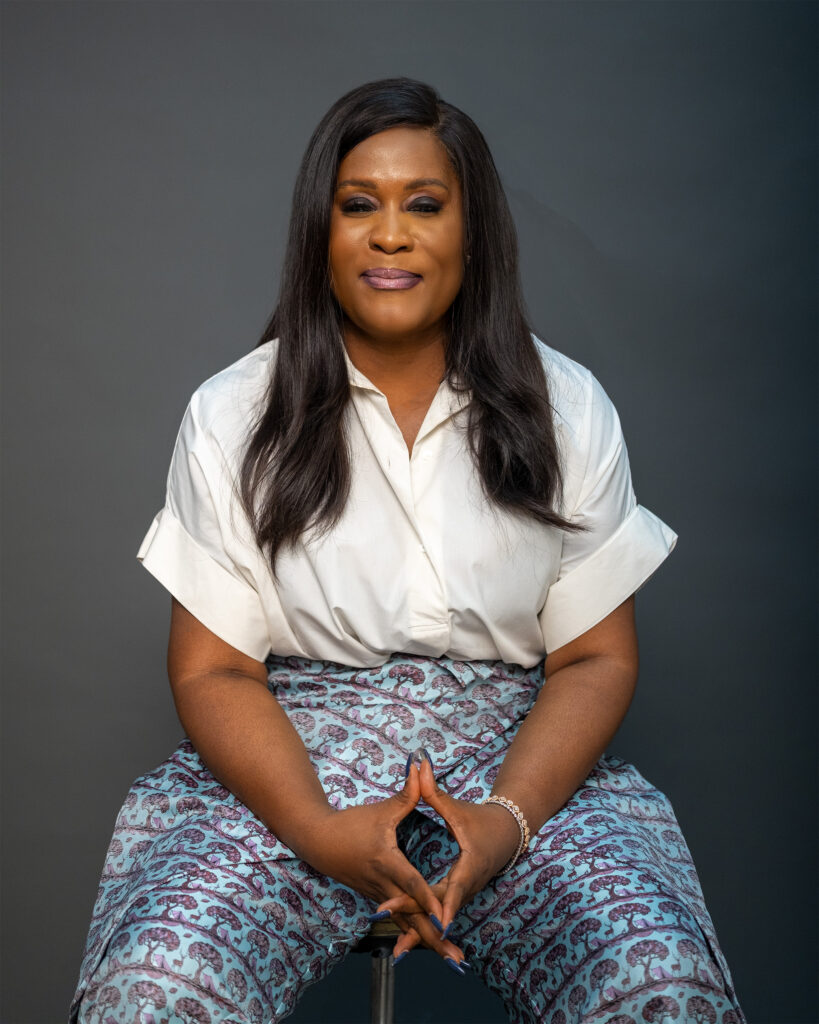
Your work is defined by a deep love for art. How has your artistic background shaped the way you design, choose fabrics, and tell stories through your collections?
My artistic background deeply informs how I design and tell stories through Odio Mimonet. I approach clothes much like a canvas, creating pieces that are vivid and expressive. I love experimenting with textures and fabrics, blending them in ways that feel harmonious yet unexpected, because life itself isn’t one smooth palette. In art, you see layers, contrasts, and textures that evoke emotion, and I try to translate that same depth and narrative into every collection. Our culture also plays a key role, adding richness and context, so what we create is always a fusion of art, heritage, and storytelling. That’s what makes our pieces come alive.
You’re widely recognised for revolutionising the modern female Agbada in Nigeria. What inspired you to reinterpret a traditionally male garment, and what cultural conversations were you hoping to spark with that bold shift?
What inspired us to reinterpret the traditional male Agbada was a belief in the strength and boldness of women. A woman can do what a man can do, with creativity, grace, and confidence. Just as women have evolved to wear pants, jackets, and tailored pieces, why shouldn’t our traditional garments evolve too? The Agbada, with its rich embroidery and cultural significance, was primarily worn by men, but we saw an opportunity to reimagine it for women, celebrating power, elegance, and identity. With this reinterpretation, we hoped to spark a conversation about gender, culture, and expression, showing that tradition can be bold, inclusive, and forward-looking.
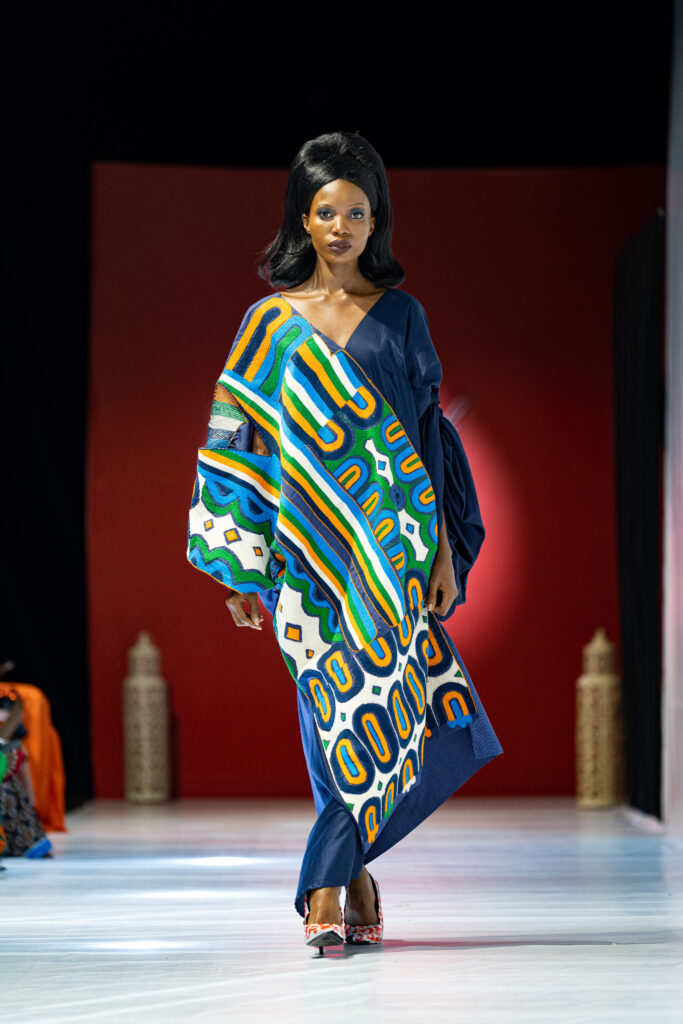
Ankara and vibrant prints have become signatures of your brand. What draws you to these prints, and how do you ensure your interpretations remain fresh and timeless?
What draws me to Ankara and vibrant prints is their deep connection to culture and storytelling. While we do work with traditional Ankara, we also create our own prints—infused with symbols and motifs from our environment and heritage. From drums and calabashes to trees, deer, and even historical notes, each textile reflects a story, a memory, a piece of our culture. Ankara itself is nostalgic and symbolic, and by interpreting it through our own lens, we keep the prints fresh, timeless, and deeply personal. It’s about honouring tradition while giving it a contemporary voice that resonates today and for years to come.
Many designers struggle to stay relevant decade after decade. What core values or philosophies have guided Odio Mimonet’s longevity for 30 years?
One of the core values that has guided Odio Mimonet for 30 years is always putting the customer first. Our focus has never been solely on the founder, but on understanding and celebrating the people who wear our designs. I love seeing beautiful things on people, and by truly listening to our clients and evolving with them, our pieces remain relevant across decades. This commitment to the client, combined with a dedication to craftsmanship and storytelling, is what has sustained our brand and kept it fresh through the years.
Every creative brand has defining challenges. Can you share one of the toughest seasons you faced in your career and the lesson that season taught you?
Every creative journey comes with defining challenges, and for me, one of the toughest seasons was learning how to turn problems into solutions. There will always be many seasons and many hurdles, but the key is staying adaptable. A significant turning point came when I truly acknowledged the African woman—the beauty of her body, her proportions, her presence. For years, many of us would walk into stores and feel out of place because everything was too tight or cut too small. That discomfort pushed me to rethink our silhouettes: we began cutting slightly longer, slightly fuller, creating pieces that made women feel confident, bold, and graceful. That shift was born from a challenge, but it became one of our strengths. On a broader scale, working within the Nigerian terrain comes with structural challenges. But the greatest lesson I’ve learned is the importance of surrounding yourself with people who have the gifts you don’t, especially in areas like structure and operations. When you build a team that complements your strengths, you gain the freedom to focus on creativity while still moving forward with clarity and purpose.
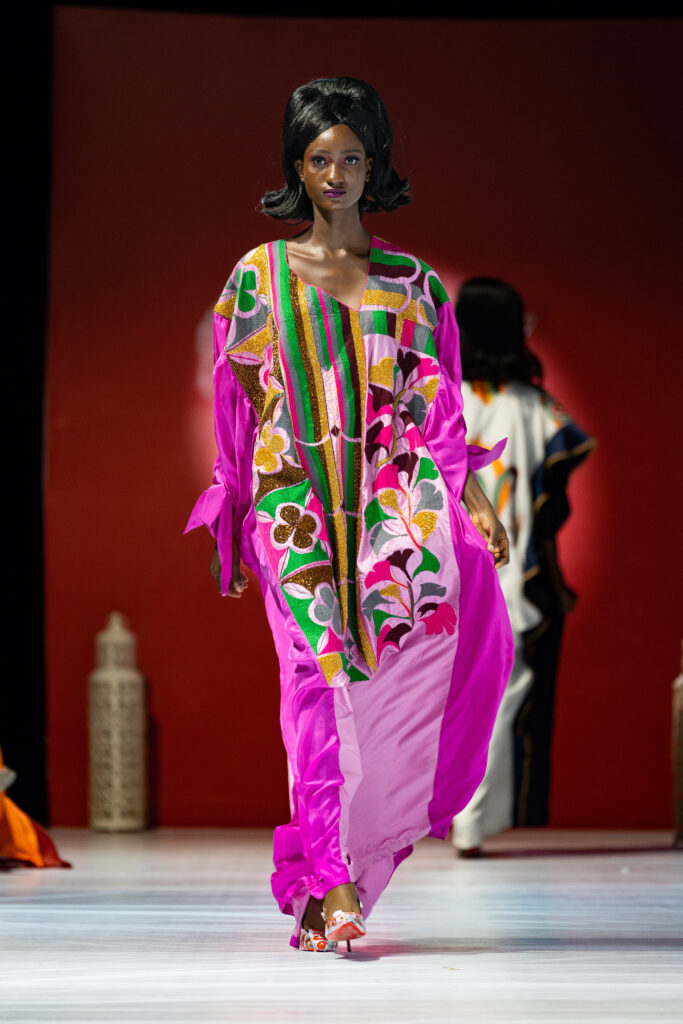
You’ve built a label that empowers women to feel confident, bold, and graceful. What does it mean to you personally when women say your designs make them feel powerful?
When women tell me that my designs make them feel powerful, it is one of the greatest rewards of my work. Fashion, for me, is not just about clothing; it’s about how a woman feels when she steps into a room. Confidence, boldness, grace… those emotions mean everything. To know that something I created can elevate a woman’s spirit or help her express her strength is deeply fulfilling. It reminds me why I do what I do. Power, after all, is not just in the garment, it’s in the woman wearing it. My role is simply to help her see it more clearly.
As someone who has shaped the Nigerian fashion landscape, what is one misconception about African fashion that you’re still trying to challenge or correct?
One misconception about African fashion that I’m still working to challenge is the idea that it is limited, predictable, or defined only by certain prints or aesthetics. African fashion is incredibly diverse, intentional, and sophisticated; it carries history, innovation, and craftsmanship in equal measure. For me, it’s important to show that our work can stand anywhere in the world, not just within the confines of what people expect ‘African fashion’ to look like. We can be minimal, bold, textured, experimental, or refined. We are not one thing. By continuing to design with depth, artistry, and cultural honesty, I hope to expand the global understanding of what African fashion truly is: dynamic, evolving, and without boundaries.
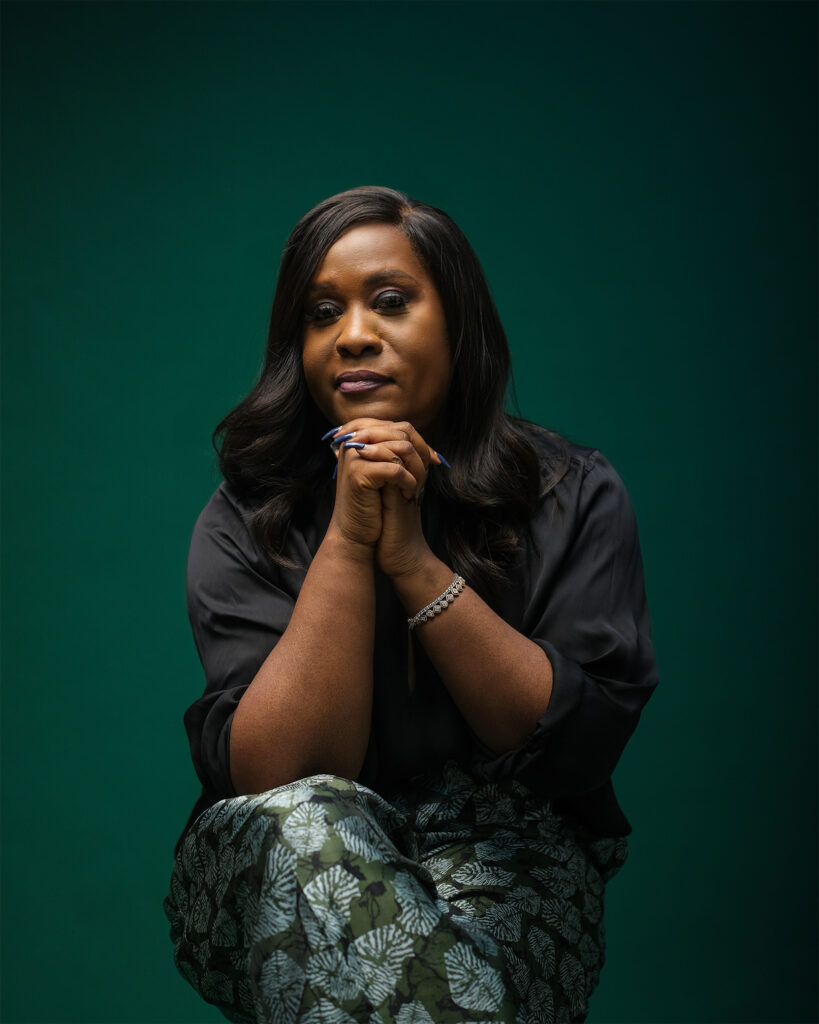
Looking ahead, what excites you most about the future of Odio Mimonet? Are there new directions, collaborations, or creative experiments you’re eager to explore?
Looking ahead, I’m incredibly excited about Odio Mimonet’s future. We’re exploring new directions, especially collaborations with international partners. There’s a lot in the works, and we’ll keep you guessing. What I can say is that we’re entering a season of creative expansion. Odio Mimonet will continue to manifest in different forms because we’re building a truly transgenerational brand, one that resonates deeply across Africa and speaks confidently to the world. The opportunities ahead feel limitless, and I’m excited for the evolution you’ll see in the coming years.
For young designers who look up to you, what advice would you give about building a brand that not only survives but stays true to its artistic soul for decades?
My biggest advice to young designers is to stay true to who you are. Take time to pause, to reflect, and to listen to your own voice. Don’t follow trends, set them. Some of my most meaningful ideas came when I isolated myself from the noise and connected with my inner creativity. Keep trying, keep experimenting. It’s rarely a first hit, and that’s okay. We all experience moments of doubt, even I still feel imposter syndrome sometimes. But whenever that happens, I return to my core: my purpose, my values, and the reason I started. If you can hold onto your artistic soul while staying persistent and curious, your brand will not only survive, it will grow, evolve, and endure.
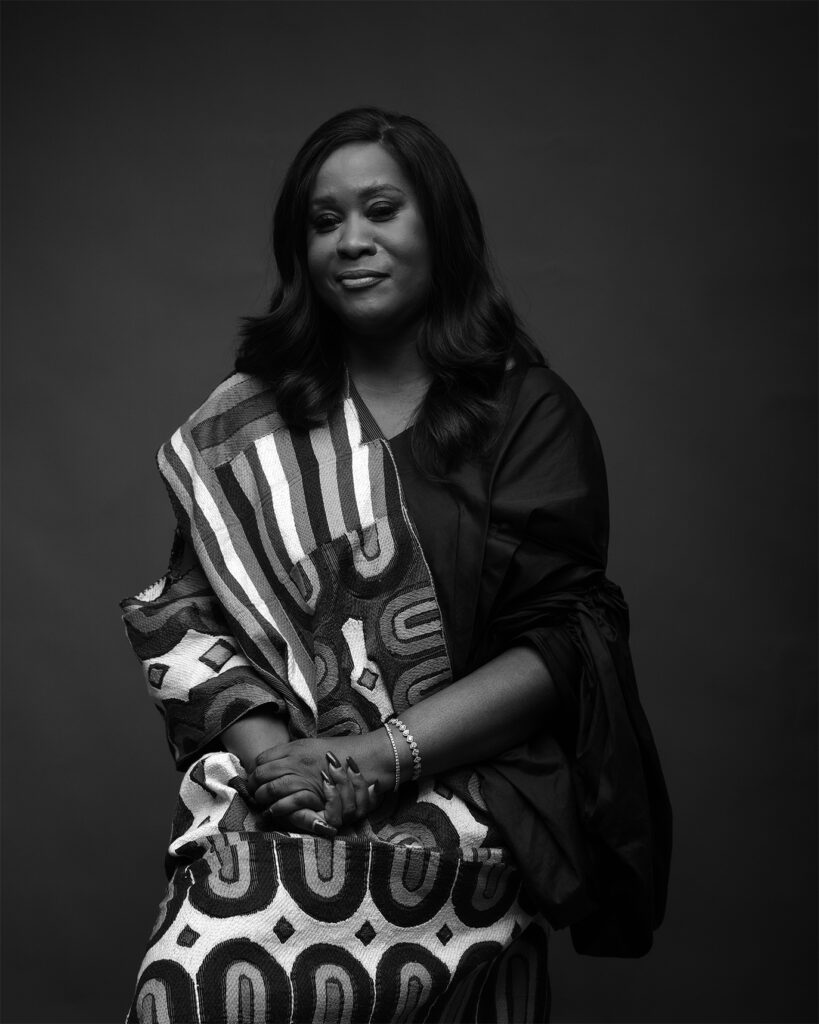

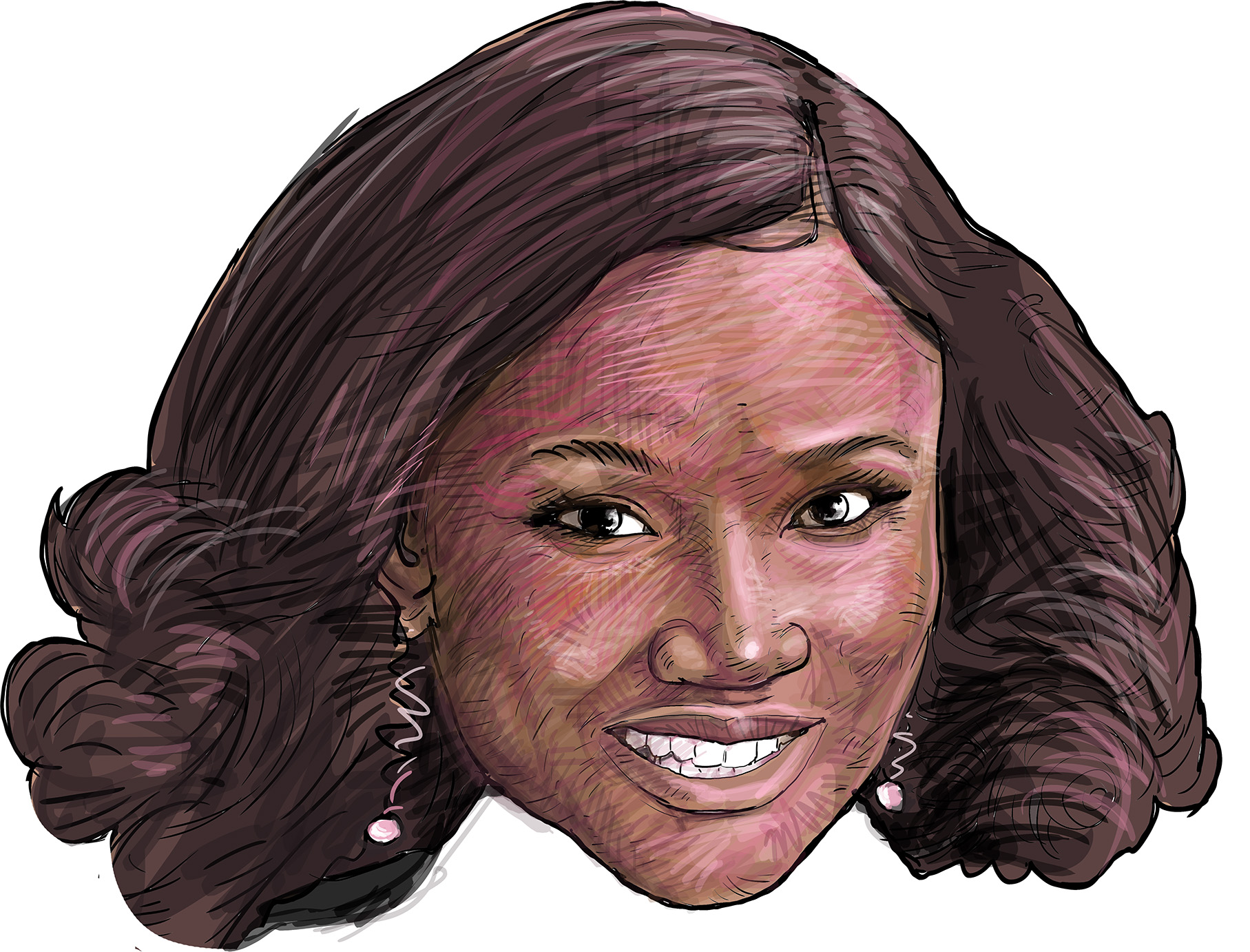
A lawyer by training, Onah packs over a decade of experience in both editorial and managerial capacities.
Nwachukwu began her career at THISDAY Style before her appointment as Editor of HELLO! NIGERIA, the sole African franchise of the international magazine, HELLO!
Thereafter, she served as Group Editor-in-Chief at TrueTales Publications, publishers of Complete Fashion, HINTS, HELLO! NIGERIA and Beauty Box.
Onah has interviewed among others, Forbes’ richest black woman in the world, Folorunso Alakija, seven-time grand slam tennis champion, Roger Federer, singer Miley Cyrus, Ex Governor of Akwa Ibom State, Godswill Akpabio while coordinating interviews with Nigerian football legend, Jayjay Okocha, and many more.
In the past, she organised a few publicity projects for the Italian Consulate, Lagos, Nigeria under one time Consul General, Stefano De Leo. Some other brands under her portfolio during her time as a Publicity Consultant include international brands in Nigeria such as Grey Goose, Martini, Escudo Rojo, Chivas, Martell Absolut Elix, and Absolut Vodka.
Onah currently works as the Editor of TheWill DOWNTOWN.