



Inside Dayo Adu’s Vision for the Future of Law
-
- February 1, 2026

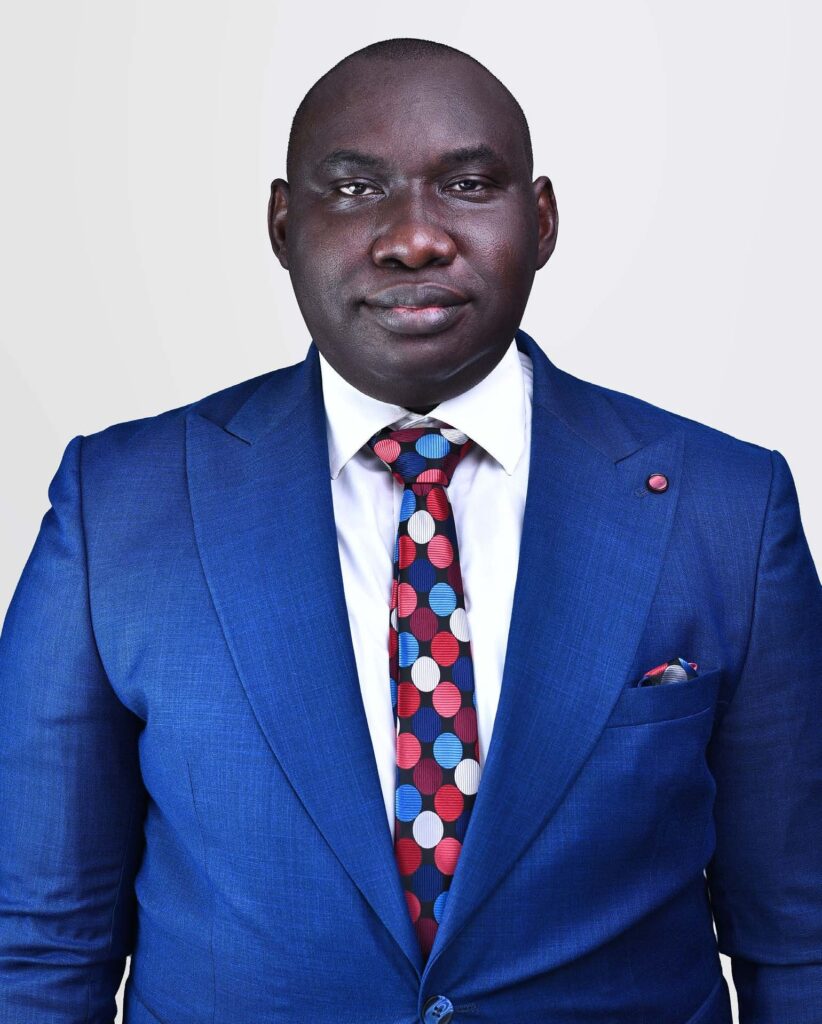
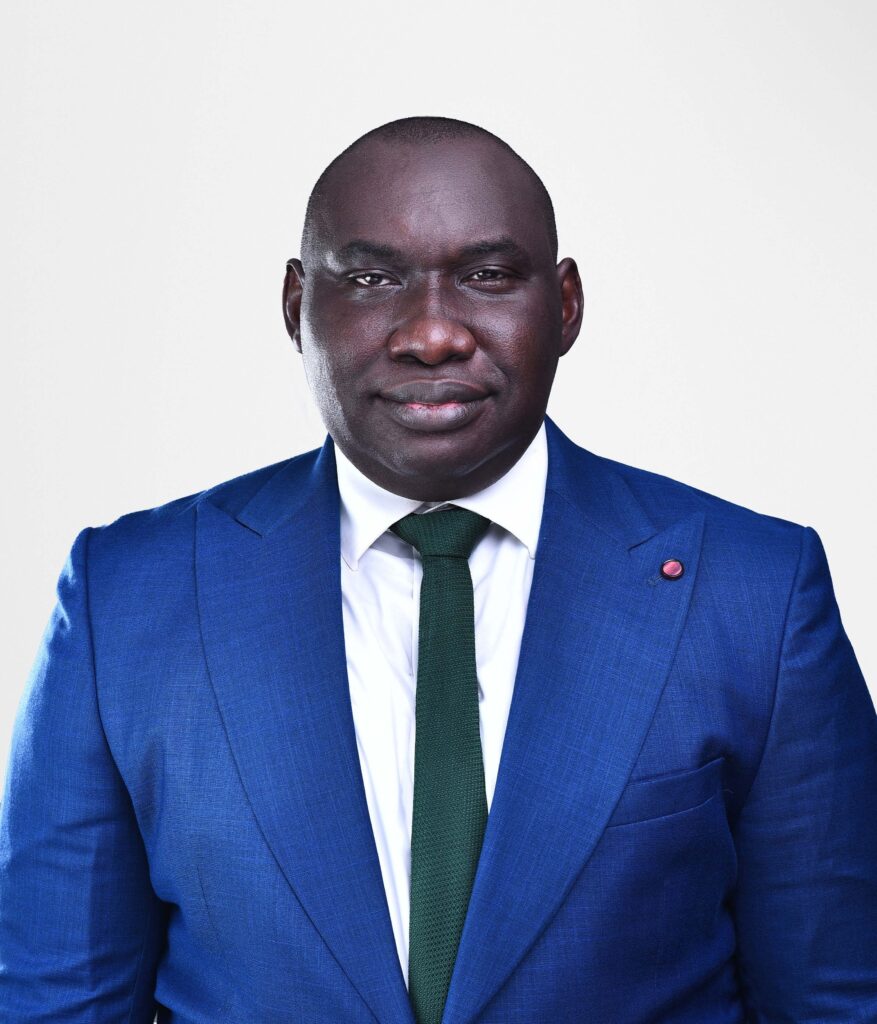
In an era where African businesses are expanding across borders faster than regulations can keep up, Dayo Adu stands at the intersection of law, technology, and continental ambition. As the Managing Partner of Moroom Africa, he represents a new generation of legal leaders who understand that today’s legal practice must move beyond tradition to meet the demands of a rapidly evolving Africa.
With over a decade of experience advising local and international companies, Adu has built a reputation as a forward-thinking legal mind, specialising in corporate and commercial law, employment, immigration, regulatory compliance, and environmental, social, and governance (ESG) matters. But it is his vision for a truly pan-African legal standard that sets him apart. Under his leadership, Moroom Africa has positioned itself not just as a law firm but as a tech-enabled legal platform built to support cross-border business with consistency, speed, and clarity.
Adu’s career reflects a balance between depth and progress. From global legal recognition to sustainability leadership training at the University of Cambridge, his work signals a shift in how African professionals are shaping institutions, intentionally, strategically, and with a long-term view. Beyond the courtroom, he is also an active thought leader, engaging in conversations around governance, labour, and the future of work.

In this interview with THEWILL DOWNTOWN’s Johnson Chukwueke, he sits down with Dayo Adu to discuss leadership, innovation in legal practice, and what it takes to build systems that work for Africa — not someday, but now.
You lead a pan-African law firm—what gap in Africa’s legal ecosystem did you see that inspired Moroom Africa?
What we realised is that there is a lot of interest, there’s interest in Africa. Businesses want to come to Africa, people want to connect on the African market, but there is this gap, and we asked ourselves how African businesses can be much more integrated. For context, there’s the EU, with legislation on immigration and trade-related matters. We don’t have such legislation in Africa. But there’s a particular block in Nigeria, and anyone practising in that block advises on legal matters affecting about 10-12 countries.
So we felt it was time for us to start thinking Africa-wide, and playing Africa-wide. As a matter of fact, we were already getting queries about other African countries, so it was time for us to make that shift, and now we are able to work with clients across African countries as one structure.
What does “One Africa. One Standard.” mean in practical terms for businesses operating across borders?
It simply means “The quality standard of service you get from us here in Nigeria is the same you can expect in other countries.” When clients intend to do business in terms of legal advice and support, we have ensured everyone is onboarded, vetted, they meet our service level, and they can be trusted, and the same service here in Nigeria is what you would get anywhere else.
How is technology changing the way legal services are delivered on the continent?
The truth is, we look at international firms ahead; of course, there are many global firms miles ahead of us, and they have many AI platforms. These AI platforms are being utilised by various international firms in delivering legal services. People might see it as an advantage or disadvantage, but the truth is, technology is supposed to support and assist us as professionals to ensure that not only do we deliver excellent services to clients, but it also allows us to probably take on much more, and also reduce the amount of time spent on a particular task because the tech is helping us.
What have been the biggest challenges in building a modern legal firm in Africa?
The aspect is one. Almost everybody wants to set up a small shop, everybody wants to be their boss and run their shop, and there’s nothing wrong with that. However, it leads to so much fragmentation of the backlog. There are too many small shops; we don’t have large firms that can become institutions that will be there in the next 2, 3, 4 years.
That’s the people aspect. The solution to this issue is that we need to work on a strategy that allows firms to come together and combine resources to become even stronger firms. That’s why I am a bit happy, as there are some new rules that are coming up in the profession, in terms of inspection of law offices, since we have too many small shops that don’t help us, and it also doesn’t help give the regard, and respect that society accords lawyers or law firms, and by extension, even our billing capability and capacity as well is being affected because of the fragmentation of the market.
I would also say capital contribution. The economy has not been comfortably pulling capital together to invest in firms; it’s never been so easy. Then there’s the cultural aspect of how difficult it is to make the shift. You tend to hear about people focusing more on the negative stories of partnerships that don’t work, but the truth is that it takes a lot of resilience, commitment, and dedication, as well as structure and partnership. We are there, and I believe once mindsets are focused on the ultimate goal, everything will be under control.
As a leader, how do you balance commercial success with ethical responsibility?
Ethics has to be number one. I believe in that. I believe a name is anything you leave behind, not just for yourself, but for the next generation as well, something that has to be guarded jealously. I don’t think it’s something we should do side by side or try to create a balance like they are the opposing ends. I think ethics should be the foundation, and every other thing must sit on ethics.
If other things can’t sit on the ethics, I think that’s a compromise. I don’t think there should even be a discussion on compromising ethics. I think your moral compassion should be so sharp that everything is built on ethics.
What leadership lessons have surprised you the most on your journey so far?
One of my goals this year is learn more about psychology because I realised that, as leaders, essentially, what you are doing is getting the right people, supporting them, and letting them try. You also have the ability to see things through your own lens, cause it’s your vision.
So you need to understand what drives them, what they want to achieve, and ultimately, how you can help them to achieve it. So what surprised me the most is that it’s not so easy to find people who are visionaries or even align with visions. So when you find these types of people, you have to give them all the encouragement.
What you will realise is that most people don’t have the ownership mindset, so before anything, you have to prioritise those who have an ownership mindset and those attuned to the vision of any organisation. Those people are the ones you must hold close and keep close.
So yeah, the best thing one can do is give such people the opportunities. I am an optimist; I give people the drive they need, but you should also keep in mind that you should give them room to fail as well. As much as you are giving them the tools to succeed, also have it at the back of your mind that it doesn’t necessarily mean it will translate to success.

What misconceptions do people often have about corporate law and legal entrepreneurship?
People see you travelling, they just see you here, they see you there, they see you driving a nice car, but they don’t see the work that goes into it, the effort and investments that go into it. It feels good to win mandates, get chosen to be on panels, and be on multinationals and large corporates, but a lot of work goes into it; there’s no shortcut. You must burn the midnight oil. Hard work goes as far as even sacrificing immediate gains for your ultimate goal.
How do you manage pressure and decision-making at the level you operate?
Processes, systems, policies. Once you have most of these things in place, I think it helps set things in the right order. For me, I can be democratic when making my decisions, I listen, and I also have a deputy that I ensure I speak with to get another perspective before making any critical decision.
How do you personally define success at this stage of your career?
Success for me at this stage is more or less about how many people I can keep the door open for to come in and do their best work, and to have the opportunity to climb the ladder to partnership. That’s success for me.
How do we go about building an institution that’s not just about one man, but about bringing in today’s leaders and also letting tomorrow’s leaders know they can contribute and become today’s leaders as well. Basically, keeping the pipeline open.
Looking ahead, what legacy do you hope Moroom Africa — and your leadership — will leave on the continent?
I wouldn’t talk about legacy yet. I think we are in our early years, and we are loyal to our vision 2035, which is our 10-year vision, which we started in 2025. It is basically an internal document that guides us as to where we are now and where we hope to be in a few years.
We hope that by the grace of God, by 2035, we will be able to look at that roadmap and see that we have met 80-90% of our objective, or even more. However, we will continue to be a very ethical firm that wants Africa to try and succeed in doing business the right way.