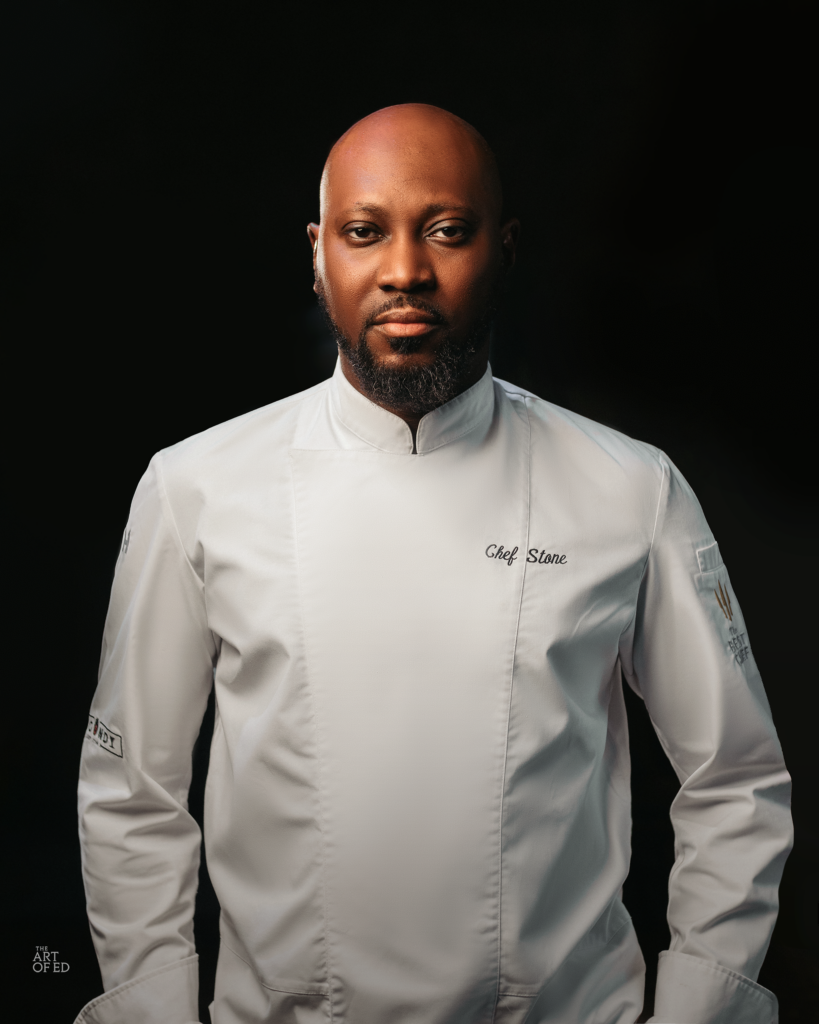



Chef Stone: Redefining Nigerian Cuisine, One Plate at a Time
-
- December 28, 2025

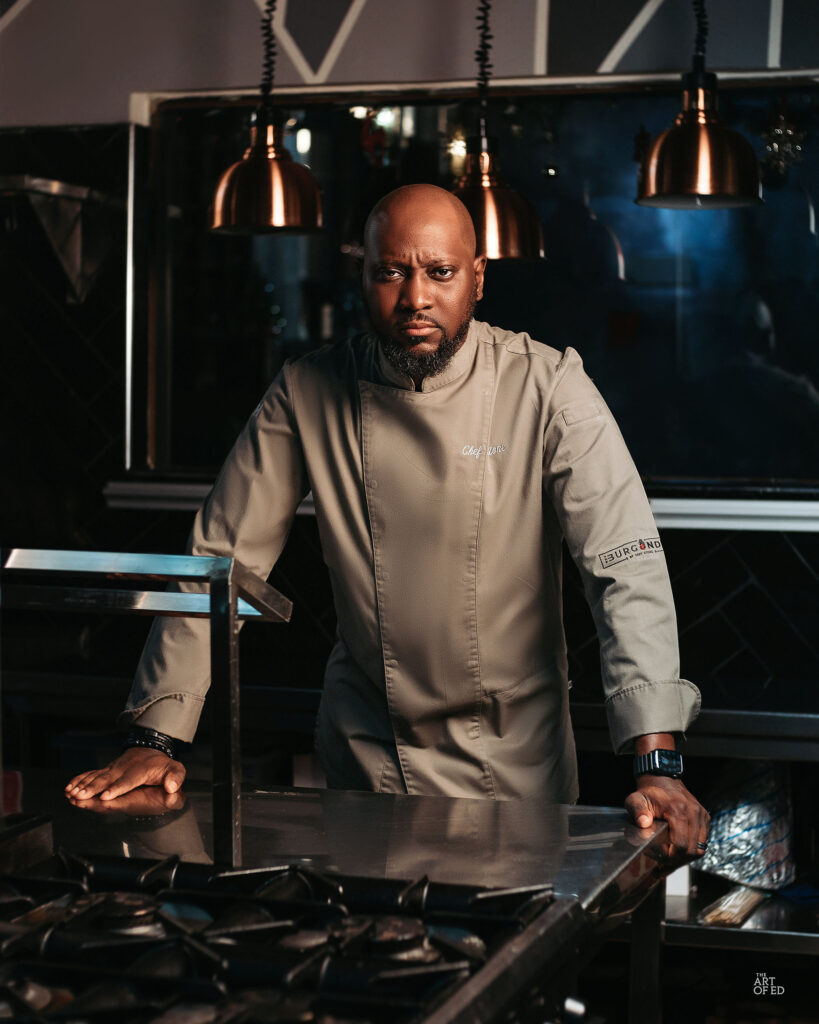
When you think of modern Nigerian cuisine, there’s one name that resonates across kitchens, fine-dining tables, and culinary classrooms alike: Chef Stone, born Abiola Akanji. From the bustling streets of Lagos to the refined culinary stages of Abuja, Chef Stone has carved a space for himself as more than just a chef; he is a culinary visionary, educator, and ambassador of African flavours.
Cooking wasn’t always a career for him; it was a childhood passion nurtured under the guidance of his mother, a foundation that would later merge with formal training at the French Culinary Institute in New York City. Armed with a Business Management degree from London Metropolitan University and a determination to elevate Nigerian food to global standards, Chef Stone returned home with a mission: to show the world that African cuisine is not just about tradition, it’s about innovation, presentation, and experience.
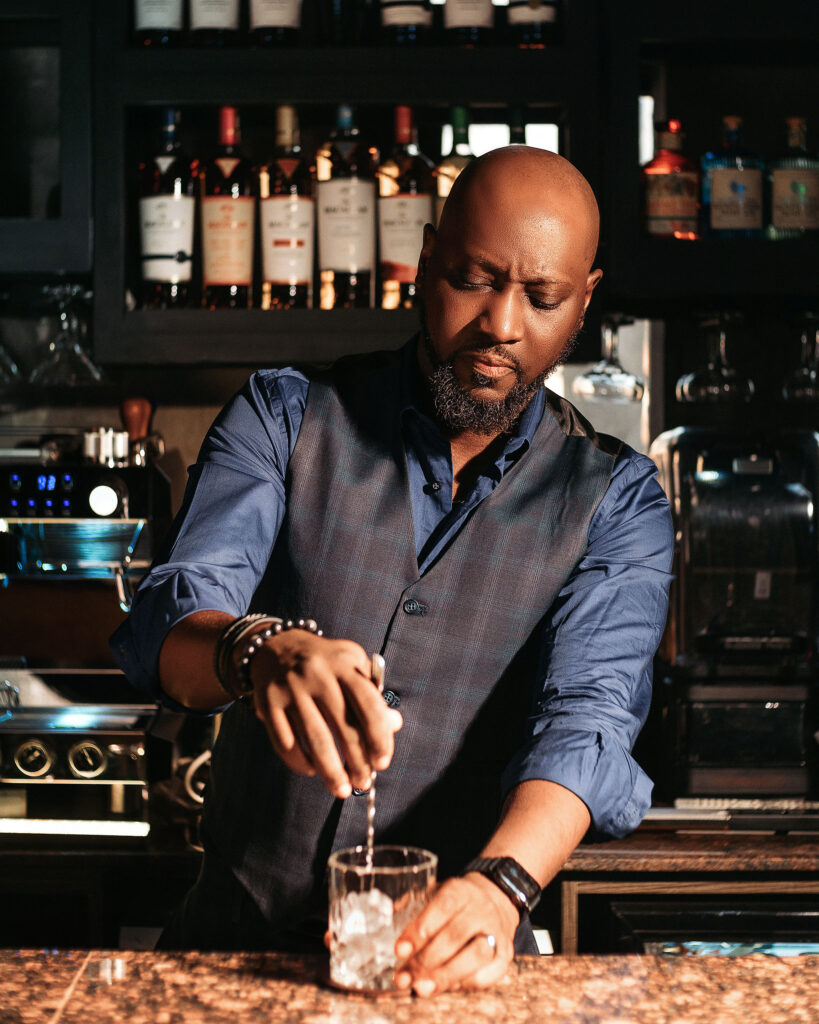
His ventures speak volumes: Red Dish Chronicles Culinary School has become a hub for aspiring chefs eager to master both traditional dishes and modern techniques, while The Burgundy by Chef Stone transforms pan-African dining into an art form. Add to that Truck Central, West Africa’s first curated food truck park, and you have a culinary entrepreneur redefining the very way Nigerians eat and experience food.
In this exclusive with THEWILL DOWNTOWN’s Johnson Chukwueke, we bring you Chef Stone’s story, a journey of flavour, creativity, and inspiration, a man on a mission to put Nigerian cuisine on the global culinary map.
You are regarded as one of the chefs who changed the direction of modern Nigerian cuisine. What inspired your journey into the culinary world?
My journey began with curiosity. I wanted to understand how flavours worked and why food could make people feel something deeper than hunger. Cooking became my language. It allowed me to tell stories about culture, memory, and possibility. I was driven by the belief that Nigerian cuisine deserved the same respect and global presence as any other cuisine. That belief still guides me every day.
As the founder of Red Dish Chronicles, how did the idea come about, and what were the biggest challenges when you started?
Red Dish Chronicles started from a simple question: Why should African chefs need to leave the continent to receive world-class training? I wanted to build a school that could stand on the international level and give young chefs the tools to dream big. The biggest challenge in the beginning was convincing people to believe in the vision. Many did not think a culinary school in Nigeria could grow into a global brand. Today, it has trained thousands of chefs and has become one of the largest culinary schools in Africa. That journey taught me the power of consistency and conviction.
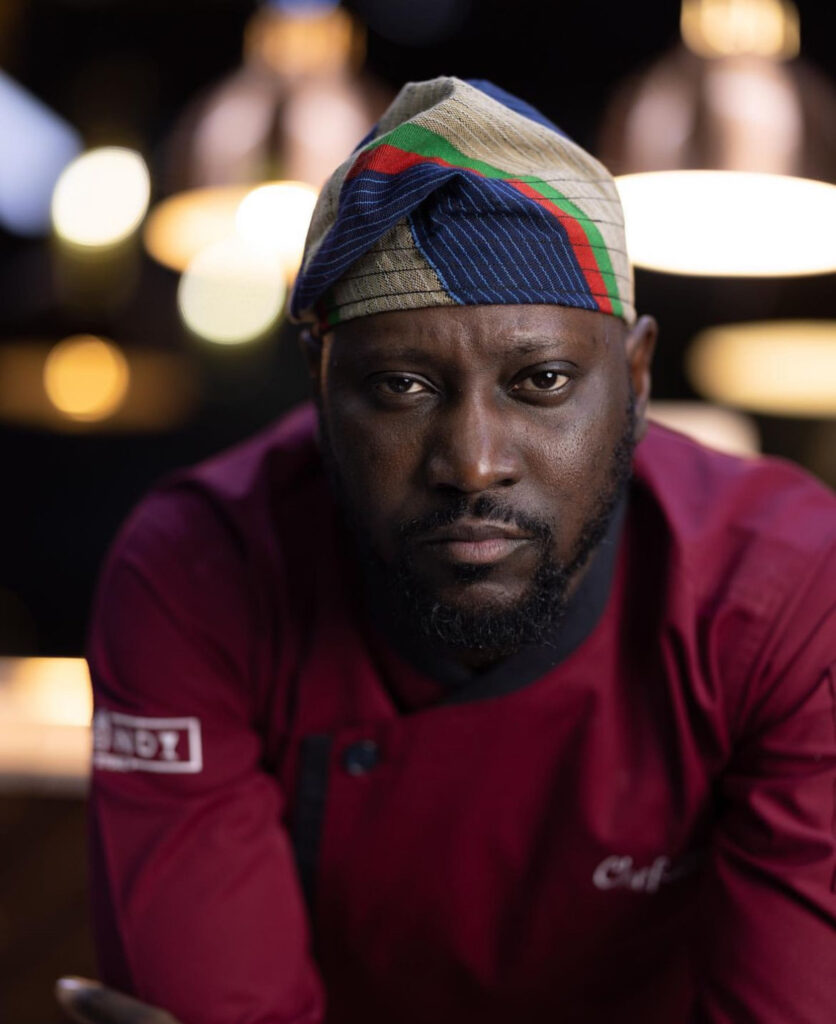
What is your creative process when you design a new dish? Do you start from a flavour, a story, or an ingredient?
I always start with a story. Every dish has a memory or an emotion behind it. From that story, I begin to build flavours, textures, and techniques. Sometimes an ingredient inspires me, and I work backwards from there. Other times, the story leads the entire direction. What matters most to me is the feeling the dish gives when it reaches the table.
What is one Nigerian ingredient you believe is underrated and deserves more attention?
Yaji. It carries so much depth and character. It is smoky, slightly spicy, and full of tradition. Yaji can elevate almost anything. It deserves more recognition on the global stage.
How do you see Nigerian cuisine growing internationally? What needs to happen for it to get the recognition it deserves?
Nigerian cuisine has everything it needs. The flavours are bold, soulful, and complex. What we need is better documentation, more consistent presentation, and stronger storytelling. The world embraces what it understands. Once we present our food with clarity, confidence, and intention, people everywhere will appreciate it the same way they appreciate Japanese or Italian cuisine.
You have worked with many celebrities and major events. What has been your most memorable dining experience so far?
The most memorable moments for me are not about the celebrity names. They are the quiet moments when someone tastes a dish and pauses because it reminds them of something they have felt before. When food connects to emotion, that is the true highlight. Those moments stay with me more than any famous event.
If you were not a chef, what career do you think you would have chosen?
I would probably be a designer or an architect. I enjoy creating things. Whether it is food, a food truck, or a restaurant space, the creative process has always been a part of who I am.
Are there any upcoming projects, collaborations, or expansions your fans should look forward to?
Yes. There are several new projects across food, education, and hospitality. One project I am especially excited about is The Red Africa Culinary Innovation Centre. It will be a space that pushes the future of African cuisine and gives chefs an environment to experiment, learn, and grow. There are also expansions happening in my restaurants and food truck brands. This is an important year for growth.
When you are not in the kitchen or teaching, how do you unwind?
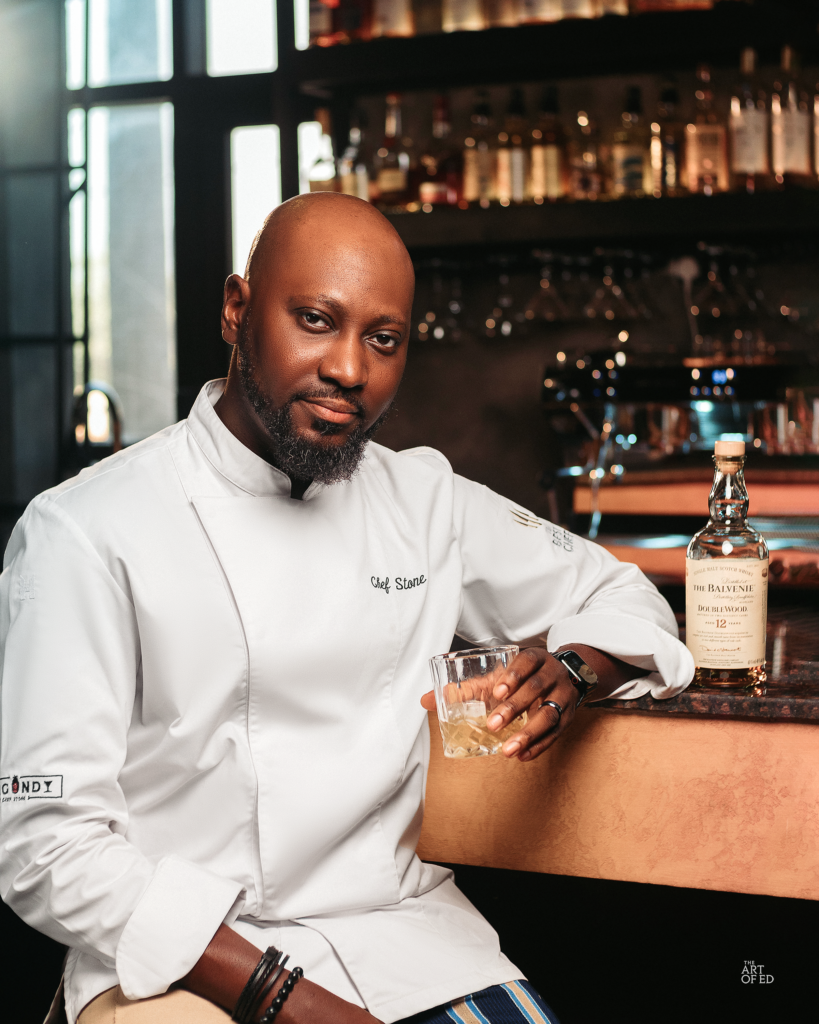
I enjoy peace and quiet. Good music. A glass of wine. Time with my family. Travelling also helps me reset and gives me new ideas.
What is your idea of a perfect day off?
A slow morning. No rush. Good food. Time with my wife and children. Maybe a simple drive and laughter with the people I love. For me, a perfect day is calm and meaningful.
Is there a special meal you like to cook for your loved ones?
Yes. I enjoy making simple comfort food for my family. Sometimes it is rice, sometimes pasta, or a dish from my childhood. At home, the food is not about technique. It is about love and togetherness.
Who is Chef Stone when the apron comes off?
I am a calm and thoughtful person. I enjoy quiet moments and deep conversations. I value growth, family, and purpose. People see the chef, the teacher, and the entrepreneur. The side they do not always see is the person who is always learning, always reflecting, and always working to become a better version of himself.