


Watch of the Week: The Pitt Season 2
-

- January 24, 2026
In healthcare, a lot of value is rightfully placed in “continuity of care”. It’s the belief that patients are best served by building relationships with regular physicians, people who have all the right information and expertise – and most importantly, those who have earned your trust. The same is true in TV.
The Pitt proved this in its first season, a word-of-mouth hit enriched by the creative talent and experience of ER alums, including R. Scott Gemmill, Joe Sachs and Noah Wyle. But this much-celebrated medical drama is even better in its second season, delivering the required doses of raw emotion and unflinching gore (it’s just nine minutes into Episode 1 until a man’s chest is casually opened like a book) and now operating from a more stable base of characters we already know and are ready to root for. And better yet, we only had to wait a year to see them again.
This season takes place 10 months after the events of season one. It’s Dr Robby’s (Wyle) last shift before riding his motorbike off into a well-earned three-month sabbatical, prompted by his breakdown during the mass shooting the last time we saw him. And, just like a movie cop one day out from retirement, that means he’s bound to have another rough day.
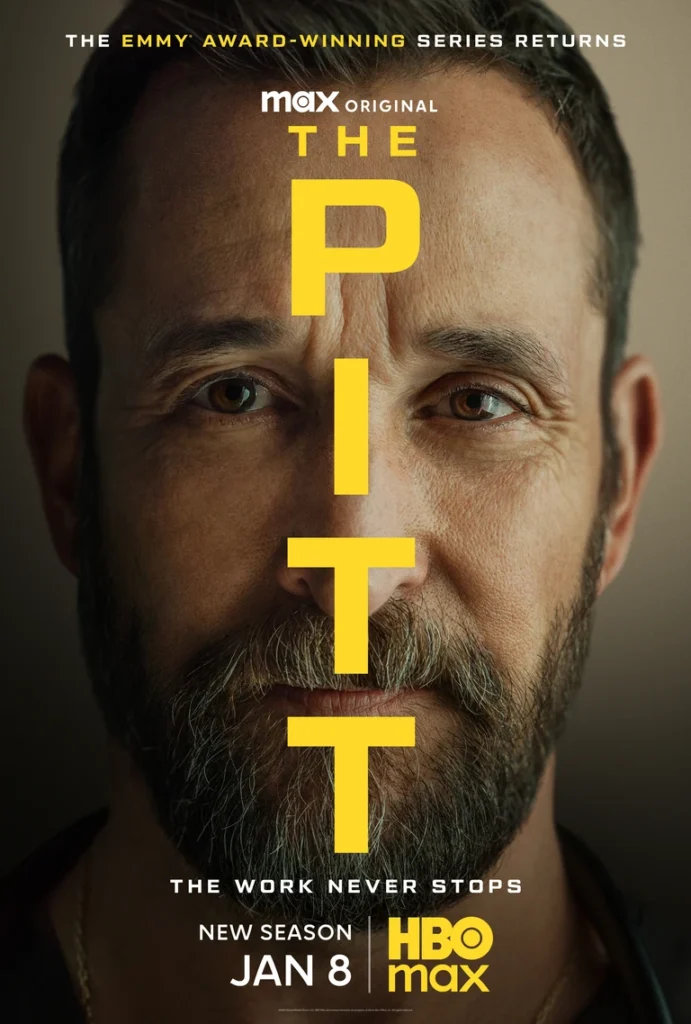
It’s also Dr Langdon’s (Patrick Ball) first shift back after a mandatory break to treat the prescription pill addiction that got him dramatically kicked out of the ER, and charge nurse Dana (Katherine LaNasa) is thankfully still at her station despite intimations that the PittFest shooting – never mind the carpark assault – was her last straw. The effects of that day are deeply felt, though only occasionally addressed in the show, with each character scarred, strengthened or humbled in small yet affecting ways.
One drawback of the first season, necessitated by the real-time structure, was the way each character was overburdened with expository dialogue, often summing up grand motivations and morals in load-bearing lines that felt clunkily counter to the naturalistic action. There’s less of that this time around. Though there’s no shortage of topical cases and issues to discuss: from the application of AI in medicine to the collection of evidence for sexual assault, the quality of care for incarcerated or unhoused patients and the profound failures of US health insurance. The show wears its politics proudly.
And yes, it will also test the limit of how many notable things can happen in one day. But it’s a credit to the construction of the series that this onslaught of drama doesn’t feel too indulgent or overbearing. More Emmys, stat!

Boluwatife Adesina is a media writer and the helmer of the Downtown Review page. He’s probably in a cinema near you.