



Low-Effort Workouts That Actually Work
-
- February 19, 2026

Fitness doesn’t need suffering to be effective, and for many people, the hardest part of fitness isn’t motivation, it’s sustainability. Not everyone wants to wake up before sunrise, commit to hour-long gym sessions, or structure their lives around workout plans. When exercise feels like punishment, it quickly becomes something we avoid. The truth is, the body responds better to consistent movement than to occasional bursts of intensity. Low-effort workouts work because they respect real life, busy schedules, fluctuating energy levels, and days when “doing the most” simply isn’t possible. Fitness doesn’t need to be dramatic to be effective. It needs to be repeatable. So let’s see what routines you can implement.
Walking Is One of the Most Powerful Workouts
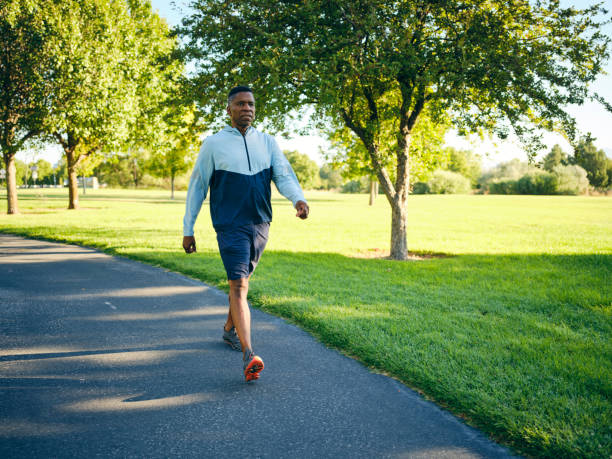
Walking is often dismissed because it looks too easy, but it’s one of the most effective forms of exercise. Regular walking improves cardiovascular health, supports weight management, boosts mood, and reduces stress, all without straining the joints. A 20- to 40-minute walk, done consistently, does more for your body than an intense workout you only do once a week.
Short Workouts Remove the Pressure
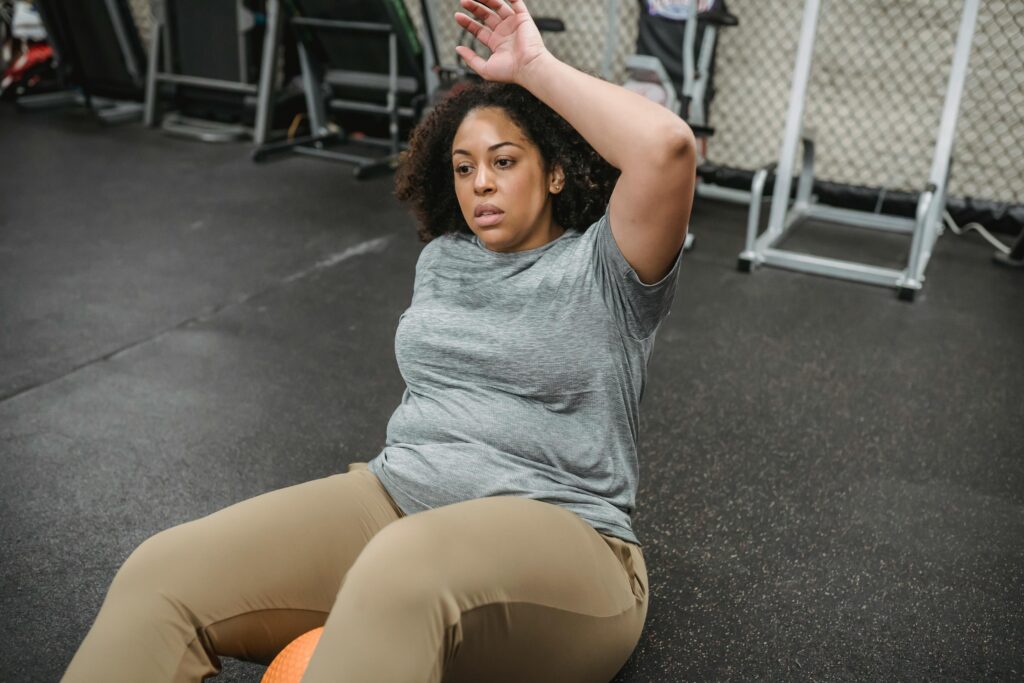
Low-effort fitness thrives on simplicity. Ten to twenty minutes of movement, such as stretching, bodyweight exercises, dancing, or light yoga, is enough when done regularly. Short workouts reduce resistance and make exercise easier to fit into everyday life. When workouts feel manageable, consistency naturally follows.
Habit-Based Movement Works Better Than Motivation
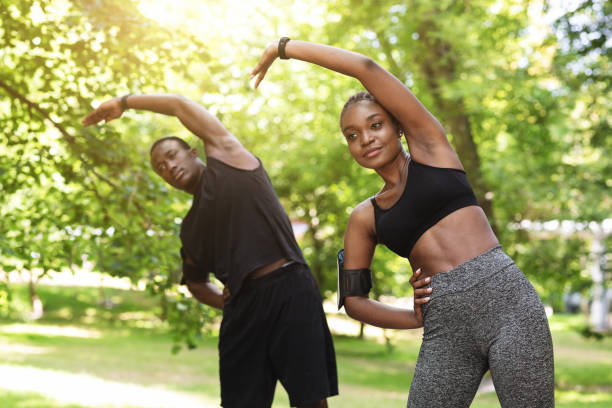
Waiting to “feel motivated” is unreliable. Lazy-but-consistent fitness relies on habits instead. Walking during phone calls, stretching while watching TV, using stairs instead of lifts, or doing squats while brushing your teeth turns movement into part of daily life. When exercise blends into routine, it stops feeling like effort.

Progress Shows Up Quietly
Low-effort workouts don’t always produce dramatic before-and-after moments, but they deliver meaningful change. Better sleep, increased energy, improved mood, less stiffness, and stronger everyday movement are real signs of progress. Fitness doesn’t have to hurt to work; it just has to be consistent.

Enjoyment Is the Secret Ingredient
The best workout isn’t the hardest one; it’s the one you’ll repeat. Walking, swimming, cycling, stretching, yoga, or dancing all count. When you choose movement you don’t dread, you remove the biggest obstacle to fitness: quitting.
 Being “lazy but consistent” isn’t a weakness; it’s a strategy. Fitness works best when it fits into your life instead of fighting against it. Small, low-effort movements done regularly will always outperform extreme routines you can’t sustain. Consistency wins—every time.