



Click Smart, Stay Safe: A Guide to Protecting Your Digital Life
-
- January 24, 2026

It’s a hyperconnected world we currently live in where passwords, devices, and personal information hold so much value, and staying digitally secure has become a must. Cyber threats are evolving daily, targeting individuals and businesses alike, and a single misstep can expose you to identity theft, data breaches, or worse. Protecting your digital life may sound a bit difficult, but with a few smart, proactive measures, you can really reduce your risks.
In this guide, you will find practical, easy-to-follow tips to safeguard your online presence, protect your personal information, and confidently navigate the ever-changing digital landscape.

Passwords And Two-Factor Authentication (2FA)
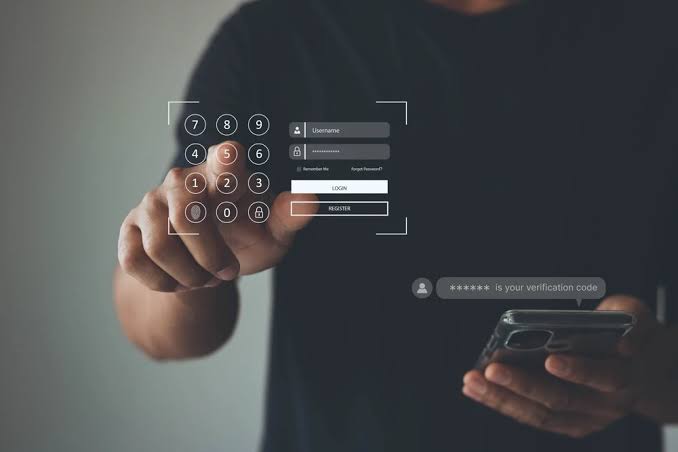
The first line of defence in protecting your digital accounts is a strong password. Avoid using predictable combinations like “password123” or your birthday. Instead, craft passwords that are at least 12 characters long, including uppercase and lowercase letters, numbers, and symbols. Tools like password managers can generate and store these complex passwords for you. Adding an extra layer of security through two-factor authentication (2FA) is another must. This ensures that even if someone gets hold of your password, they’ll need a second verification step—like a code sent to your phone—to access your account.
Beware of Phishing Scams
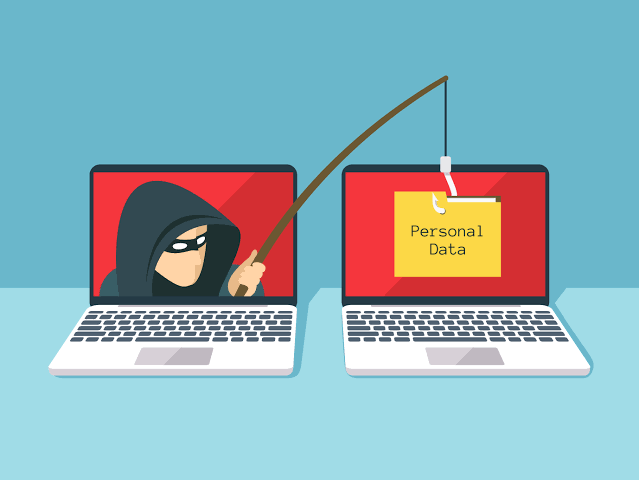
Phishing attacks are designed to trick you into revealing sensitive information, such as login credentials or financial details. These scams often come in the form of deceptive emails, texts, or websites that mimic legitimate organisations. Always examine messages asking for personal details. Check the sender’s email address for inconsistencies, avoid clicking on unsolicited links, and verify requests directly with the organisation. Remember, a reputable company will never ask for sensitive information via email.
Keep Software And Devices Updated
Hackers often take advantage of weaknesses in outdated software to gain access to your devices. Regularly updating your operating systems, apps, and antivirus programs ensures these vulnerabilities are patched. Enable automatic updates on your devices to stay ahead. This small step goes a long way in maintaining a secure digital environment.

Be Mindful of Public Wi-Fi
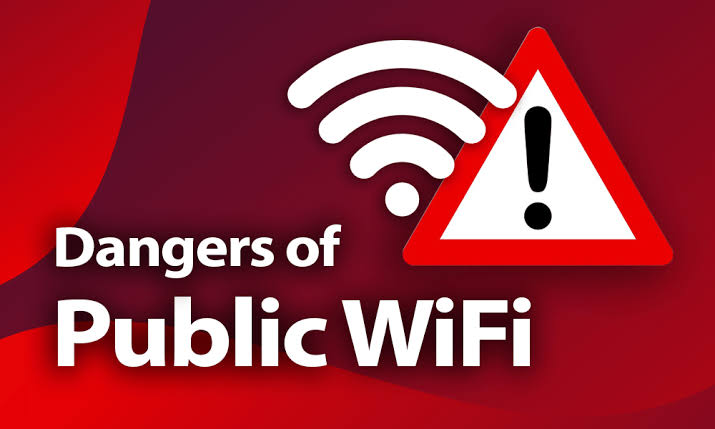
Public Wi-Fi networks are convenient but risky. Hackers can intercept your data on unsecured networks, potentially stealing sensitive information like passwords or credit card details. When using public Wi-Fi, avoid accessing sensitive accounts or making financial transactions. Consider using a Virtual Private Network (VPN) to encrypt your data and protect your online activity.
Educate Yourself And Stay Informed
The digital landscape is constantly evolving, and so are cyber threats. Stay informed about the latest scams and cybersecurity practices by following reliable tech news sources. Regularly review your digital habits and educate yourself on best practices. Sharing your knowledge with family and friends can also help create a safer online community.

By adopting these strategies, you’ll be well-equipped to navigate the digital world safely and confidently. In an era where technology touches every aspect of life, safeguarding your online presence is not just essential—it’s empowering. Click smart, stay safe, and own your digital future.